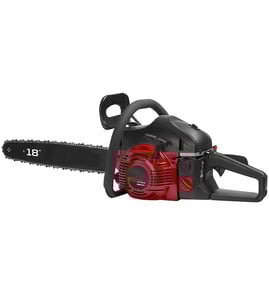



What is the mix for a 2 stroke chainsaw?
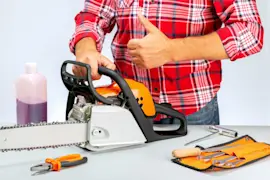
For the Solo 639 2-stroke gas chainsaw, we use a 50:1 fuel mix (2-stroke oil to gasoline) for normal operation. That equals 2.6 oz of 2-stroke oil per 1 U.S. gallon of gas; mix in an approved fuel can, then fill the saw.
| Gasoline amount | 2-stroke oil needed | Notes |
|---|---|---|
| 1 gallon | 2.6 oz | Common small-can mix |
| 2 gallons | 5.1 oz | Good for frequent cutting |
| 5 gallons | 12.8 oz | Use quickly; do not store long-term |
- Use fresh, unleaded gasoline (most chainsaws run best on fresh fuel).
- Use TC-rated 2-stroke oil intended for air-cooled engines.
- Add about half the gas to the can first, then add the measured oil.
- Cap and shake, then add the remaining gas and shake again.
- Label the can “50:1” so it never gets confused with straight gas.
The correct 2-stroke mix lubricates the crankshaft and piston. Too little oil can score the cylinder and seize the engine; too much oil can cause heavy smoke, carbon buildup, and a fouled spark plug.
If you are also setting up the cutting system after fueling, match the bar length to your chain and cutting needs. Common options for this model include the bar, 18-in 180VXLGK095 and bar 15" 160VXLGK095. For more maintenance and fuel-related troubleshooting, use our tips for a hard to start chainsaw guide. To find additional Solo 639 parts beyond the bars listed here, search by model number on Sears PartsDirect.
Last updated: February 2026
What is the best gas chainsaw on the market?
There is no single “best” gas chainsaw for everyone; the best choice depends on what you cut most often (limbing vs. firewood vs. felling), how long you run it, and what bar length you need. If you already own a Solo 639, keeping it matched with the right bar and a sharp chain often delivers the best real-world results.
Focus on fit for the job, not just brand reputation:
- Engine size (cc) vs. wood size: bigger wood and longer bars need more power.
- Bar length: longer bars cut larger diameter wood but add weight and reduce maneuverability.
- Weight and balance: a lighter saw is safer and less tiring for limbing.
- Parts availability and serviceability: routine wear parts matter more than peak horsepower.
- Safety features: chain brake, throttle interlock, and anti-vibration are must-haves.
| Use case | Typical bar length | Typical engine size | What matters most |
|---|---|---|---|
| Yard cleanup and limbing | 12 to 16 in. | 30 to 45 cc | Light weight, easy starting |
| Firewood (most homeowners) | 16 to 18 in. | 40 to 55 cc | Torque, anti-vibration |
| Larger hardwood and frequent cutting | 18 to 24 in. | 55 to 70 cc | Power, durability, cooling |
For the Solo 639 model 639, the “best” setup is often the bar length that matches your typical cutting:
- Choose an 18-inch bar for more reach and larger rounds: bar, 18-in 180VXLGK095
- Choose a shorter bar for lighter handling and faster limbing: bar 15" 160VXLGK095
- Keep chain tension correct and the chain sharp to reduce kickback risk.
- Use proper bar and chain oil; a dry bar accelerates wear.
A chainsaw that is slightly less powerful but properly sized, sharp, and well-oiled usually cuts faster and safer than an oversized saw that is heavy, dull, or poorly maintained. The right bar length also reduces strain on the clutch, sprocket, and engine.
We list model-specific replacement parts for Solo 639 (model 639) on this page; for broader parts search by model number, use Sears PartsDirect.
Last updated: February 2026
How much horsepower does a 62cc chainsaw have?
A 62cc gas chainsaw typically falls in the mid-to-high 3 HP range, but your Solo model 639 is not a 62cc saw; it uses a 38.2cc engine rated at 2.60 HP (1.90 kW). Use the model’s rating when choosing bars and chains.
We separate engine displacement (cc) from power output (HP/kW). Displacement helps predict class size, but horsepower depends on engine design and tuning.
- Solo 639 engine size: 38.2cc
- Solo 639 rated power: 2.60 HP (1.90 kW)
- Typical 62cc class: about 3.5 to 4.5 HP (varies by design)
- More bar length increases load and can make any saw feel underpowered
- A sharp chain and correct raker depth often restore “lost power” more than engine work
| Saw class | Displacement | Typical power | Common bar range |
|---|---|---|---|
| Solo 639 (your model) | 38.2cc | 2.60 HP (1.90 kW) | 15 to 18 in. |
| Mid-size pro class | ~62cc | ~3.5 to 4.5 HP | 18 to 24 in. |
Matching horsepower to bar length keeps chain speed up, reduces bogging, and helps prevent overheating. An oversized bar forces the engine to work harder, which slows cutting and increases wear.
If you are selecting a replacement guide bar for your Solo 639, these model-matched options are available:
- Bar, 18-in 180VXLGK095
- Bar 15" 160VXLGK095
- Choose the bar length that matches your typical wood diameter and cutting style
For ordering, use the parts list for Solo 639 or search by model number on Sears PartsDirect.
Last updated: February 2026