Installation guide
 Owner’s manual

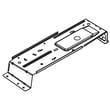
What causes a dryer heating element to fail?
A heating element in a Maytag MED8200FW2 dryer typically fails when it overheats or is electrically stressed. The most common cause is restricted airflow (lint buildup or a blocked vent) that traps heat in the heater housing until the coil burns out.
Common causes of heating element failure
- Blocked or crushed venting: poor airflow makes temperatures spike inside the heater circuit.
- Lint buildup inside the dryer: lint around the blower housing or heater area holds heat.
- Cycling problems: a bad temperature-sensing part can let heat run too hot or too long.
- Loose or overheated wiring: heat-damaged terminals increase resistance and burn connections.
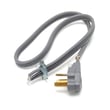
- Power supply issues: incorrect voltage or a damaged cord/terminal block can stress the element.
What to check first (fast, high-impact steps)
- Clean the lint screen and confirm strong airflow at the outside vent hood.
- Inspect the entire vent run for kinks, long runs, or heavy lint.
- Unplug the dryer; check heater wiring for discoloration or melted connectors.
- If the dryer overheated, test safety devices and temperature sensing parts.
Parts that commonly get replaced with a failed element
| Symptom | Most likely related part | Example part for MED8200FW2 |
|---|---|---|
| No heat, drum tumbles | Burned-out heater coil | Dryer heating element WP3387747 |
| No heat after overheating event | Open safety cut-off | Thermal fuse W10909685 or whirlpool dryer thermal cut-off fuse kit (352-degree f) 280148 |
| Heat is erratic or cycles wrong | Temperature sensing issue | Dryer thermistor WP8577274 or dryer high-limit thermostat WP8557403 |
Why it matters
Restricted venting does not just cause “no heat”; it also shortens the life of the heating element and can repeatedly trip thermal safety devices. Keeping airflow clear helps the MED8200FW2 dry faster and protects the heater circuit.
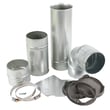
For venting and installation requirements (including clearances and vent guidance), follow the installation guide.
Last updated: February 2026
How to fix MED8200FW2 maytag dryer?
For a Maytag MED8200FW2 dryer, we start with a safe power reset and a quick airflow check; those two steps fix many “won’t start,” “won’t heat,” and “takes too long to dry” complaints. Then we troubleshoot by symptom and test the most common failure parts.
Step 1: Do a safe hard reset
- Turn the dryer off.
- Unplug the power cord (or switch the breaker off).
- Wait 5 to 10 minutes.
- Restore power and try a timed dry cycle.
Step 2: Match the fix to the symptom
- Won’t start: Confirm the door fully latches; check the breaker (electric dryers often use a 2-pole breaker).
- Runs but won’t heat: Check for restricted venting first; then suspect the heating circuit.
- Long dry times: Clean lint screen, inspect vent hose for kinks, and confirm strong airflow at the outside vent hood.
- Loud thumping/squealing: Drum support rollers or idler pulley are common wear items.
- Stops mid-cycle/overheats: Airflow restriction can trip safety devices.
Common parts that fix frequent MED8200FW2 problems
| Symptom | Most common causes | Parts on this page that often apply |
|---|---|---|
| No heat | Failed heater, open safety fuse, bad thermostat/thermistor | Dryer heating element WP3387747, thermal fuse W10909685, dryer high-limit thermostat WP8557403, dryer thermistor WP8577274 |
| Noisy drum | Worn rollers, weak idler pulley | Dryer drum support roller WPW10314173, dryer idler pulley W10837240 |
| Poor airflow/rumbling | Damaged blower wheel or seal | Dryer blower wheel WP697772, dryer blower seal WP697770 |
Why it matters
A dryer that overheats or takes too long to dry is usually fighting restricted airflow. Fixing venting first helps protect the heating element, thermostats, and thermal fuses, and it restores normal drying performance.
Model-specific help
For wiring/terminal block connections, venting requirements, and door reversal steps (including the T25 driver and screw locations), follow the installation guide. For cycle charts, error displays, and feature operation, use the owner's manual.
Last updated: February 2026
How much does it cost to get a heating element fixed on a dryer?
For a Maytag dryer like model MED8200FW2, the total cost to fix a heating element problem is usually the service call plus parts and labor; most homeowners land around $100 to $350 total, with many repairs near $230. If the element itself is bad, the part is the dryer heating element WP3387747.
What you typically pay for
Heating issues are often a straightforward repair, but the final price depends on what failed (element, fuse, thermostat, wiring) and how hard the dryer is to access.
- Service/diagnostic fee (often applied to the repair)
- Labor time (commonly 1 to 2 hours for electric dryer heat repairs)
- Parts (heating element, thermal fuse, thermostat, wire kit)
- Vent cleaning or airflow corrections (if overheating caused the failure)
Common parts that affect the total cost
If the dryer tumbles but will not heat, the heating element is only one possibility. These are common heat-related parts for MED8200FW2:
| Symptom | Common cause | Example part on this model |
|---|---|---|
| Tumbles, no heat | Burned-out element | Dryer heating element WP3387747 |
| Runs, then stops heating | Overheat protection opened | Thermal fuse W10909685 |
| Overheats or cycles heat oddly | Temperature sensing issue | Dryer thermistor WP8577274 |
| Repeated heat failures | Restricted venting causing high temps | Venting and airflow checks (no part) |
Before you replace the heating element
We recommend these quick checks first because they prevent repeat failures and wasted parts.
- Clean the lint screen and confirm strong airflow at the outside vent hood
- Check that the vent run is not crushed, kinked, or excessively long
- Verify the dryer is on a dedicated 30-amp circuit (common requirement for this style of dryer)
- If the dryer will not start at all, confirm the door is closed and the breaker is not tripped
- Use the wiring and access steps in the installation guide to safely reach the heater circuit area
Why it matters
A restricted exhaust vent can overheat the heater housing and open safety devices (like a thermal fuse). Fixing airflow issues along with the failed part helps your MED8200FW2 dry faster and helps prevent another no-heat breakdown.
Last updated: February 2026
How do you reset the heating element on a dryer?
You do not reset the heating element itself on a Maytag MED8200FW2 dryer. If the dryer is not heating, the fix is to restore power and airflow, then test the heating circuit components (thermal fuse, thermostats, thermistor, and the heating element) and replace the failed part.
What to do first (safe checks)
- Unplug the dryer or switch off the breaker before opening any panels.
- Clean the lint screen and check that the exhaust vent is not crushed or clogged.
- Confirm the dryer is getting full power (many electric dryers can run but not heat if one leg of power is lost).
- Make sure you are using a heated cycle (not an air-only setting).
- If this is the first heated cycle after installation, a brief odor is normal and goes away.
What people mean by “reset” on a dryer
Most dryers do not have a push-button reset for “no heat.” Instead, heat stops because a safety device opened (usually from restricted airflow) or a heating component failed.
Common “no heat” parts to check on MED8200FW2
| Symptom | Most likely checks | Parts on this model page |
|---|---|---|
| Runs but no heat | Thermal fuse, high-limit thermostat, heating element | Thermal fuse W10909685, dryer high-limit thermostat WP8557403, dryer heating element WP3387747 |
| Long dry times, weak airflow | Venting, blower wheel, lint buildup | Dryer blower wheel WP697772 |
| Heat is erratic or cycles oddly | Thermistor, airflow restriction | Dryer thermistor WP8577274 |
Why it matters
A dryer that “won’t heat” is often protecting itself from overheating. Restoring proper venting and replacing the correct failed component prevents repeat shutdowns, long dry times, and unnecessary part swaps.
Helpful references for this model
- Use the installation guide to confirm correct power connection and venting requirements.
Last updated: February 2026