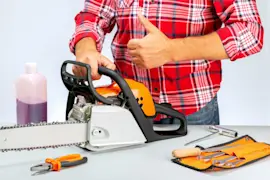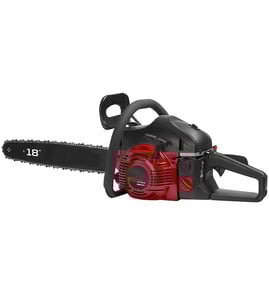

How do I know what model McCulloch chainsaw I have?
To identify your Mcculloch chainsaw model, we look for the model tag or stamping on the saw body, then match that exact model number to the parts listing. For this page, the model number shown is MAC, so confirming the full model on your saw prevents ordering the wrong parts.
Where to find the model number on a Mcculloch chainsaw
Check these common locations first:
- Starter housing/recoil cover area (near the pull cord)
- Rear handle or top cover near the air filter
- Bottom/underside of the crankcase (some Mcculloch saws have a stamped ID here)
- A sticker/plate near the bar mount area (side cover/clutch cover region)
If you find multiple numbers, write them all down (model, type, serial) and use the model number for parts matching.
What to record (and why)
Use this quick guide to capture the right info:
| What you see on the saw | What it’s used for | Example format |
|---|---|---|
| Model number | Matches the correct parts diagrams | MAC 3516, 11-600035-18 |
| Serial number | Helps confirm production run/version | Mix of letters and numbers |
| Engine/plate codes | Sometimes needed for carb/ignition variants | Short code or stamped digits |
Tips to avoid a parts mismatch
These steps prevent the most common ordering mistakes:
- Match the model exactly, including dashes and extra digits
- If the label is worn, clean the area and use a flashlight at an angle to read stamping
- Confirm your saw’s bar length (for example, 16-inch vs 18-inch setups can change chain/bar specs)
- Compare what you find to the model listing details on how to find your appliance model number (and what it means for parts)
Why it matters
Mcculloch chainsaws often have small design changes across production runs. Using the exact model number helps ensure the correct fit for high-variation items like the carburetor, ignition module, fuel lines, chain brake parts, and bar and chain components.
Last updated: February 2026
Are McCulloch chainsaws good quality?
Yes. Mcculloch gas chainsaws are generally a solid, homeowner-focused choice when they’re maintained correctly; on your Mcculloch MAC gas chainsaw, quality comes down to consistent starting, steady cutting power, and dependable safety features like the chain brake.
What “good quality” looks like in real use
A good-quality chainsaw is one that starts reliably, cuts straight under load, and stays safe and comfortable to run.
- Starts within a few pulls when tuned and fueled correctly
- Holds idle without the chain creeping
- Accelerates cleanly without bogging down
- Cuts without excessive vibration (with a sharp chain and good bar condition)
- Chain brake stops the chain quickly when engaged
What affects durability the most
Most “quality” complaints trace back to fuel, chain condition, or basic maintenance rather than the brand name.
| Factor | What to do | What you’ll notice if it’s off |
|---|---|---|
| Fuel mix | Use fresh, correctly mixed 2-cycle fuel | Hard starting, poor power, plug fouling |
| Airflow | Keep the air filter and cooling fins clean | Overheating, power loss |
| Cutting system | Keep chain sharp and bar oiled | Slow cutting, smoke, crooked cuts |
| Tension | Set chain tension correctly | Chain derailment risk, fast wear |
Quick checks before you judge performance
- Confirm the chain is sharp and installed in the correct direction.
- Verify bar oil is feeding (you should see a light oil line when revving near clean cardboard).
- Inspect the bar rails and sprocket area for heavy wear or packed debris.
- Check the spark plug condition and gap; replace if fouled.
- Use the correct chain pitch and gauge for the bar (mismatches cut poorly and wear fast).
Why it matters
A chainsaw can feel “low quality” if the chain is dull, the fuel is stale, or the oiler is restricted. When those basics are right, Mcculloch saws typically deliver strong homeowner performance for firewood and storm cleanup.
For model identification and ordering the correct bar, chain, or tune-up items, use our guide: how to find your appliance model number (and what it means for parts).
Last updated: February 2026
What size chain is McCulloch MAC?
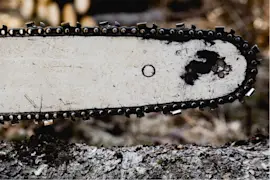
For a Mcculloch MAC gas chainsaw, the correct replacement chain is determined by four specs: bar length, pitch, gauge, and drive link count. Many 16-inch setups use either 3/8 in. low profile or .325 in. pitch; the bar stamp gives the exact match.
How to identify the exact chain you need
Check the markings stamped on the guide bar (often near the mounting end) or read the numbers on the old chain packaging.
- Bar length: commonly 16 in. on this type of saw
- Pitch: commonly 3/8 in. low profile or .325 in.
- Gauge: commonly .050 in. (also seen: .043 in. or .058 in.)
- Drive links (DL): a specific count such as 56 DL is common on some 16-inch combinations
- Sprocket match: the clutch drum sprocket pitch must match the chain pitch
Quick chain spec reference
| Spec | Where to find it | What it must match |
|---|---|---|
| Pitch | Bar stamp, chain box, old chain | Bar nose sprocket and drive sprocket |
| Gauge | Bar stamp (bar groove width) | Bar groove |
| Drive links | Bar stamp or count links | Bar length and bar type |
| Bar length | Printed/stamped on bar | Cutting length only (not enough by itself) |
Why it matters
If pitch or gauge is wrong, the chain will not seat correctly in the bar groove or mesh with the sprocket. That causes poor cutting, fast wear on the bar and sprocket, and increases the chance of the chain derailing.
Safety and setup checks before installing a new chain
- Disconnect the spark plug wire before working near the chain
- Confirm the cutters face forward on the top run of the bar
- Set chain tension so the drive links stay engaged but the chain still pulls around by hand
- Recheck tension after the first few cuts (new chains stretch quickly)
For general DIY safety practices that apply to hands-on repairs and adjustments, use are diy appliance repairs safe.
Last updated: February 2026