 Owner’s manual


What is the capacity of ghw9150pw1?
The Whirlpool GHW9150PW1 washer has an approximate capacity of 3.8 cu. ft. This is the usable wash basket volume and helps you estimate load size for bulky items and avoid overloading; see the GHW9150PW1 washer manual for loading guidance and cycle recommendations.
What that capacity means for everyday loads
A 3.8 cu. ft. front-load washer is typically sized for medium-to-large household laundry. For best cleaning, loads should be full but not tightly packed so items can tumble freely.
- Wash bulky items (like bedding) one at a time when possible
- Mix large and small items to help balance the load
- Avoid washing single heavy items (can cause off-balance spin)
- Use only HE (High Efficiency) detergent to prevent oversudsing
- Leave some space at the top of the drum so items can lift and drop
Quick load-size examples (general guidance)
These examples help translate capacity into real-world loads; fabric type and absorbency can change results.
| Load type | Typical fit in a 3.8 cu. ft. front-load washer | Notes |
|---|---|---|
| Everyday mixed load | Medium to large | Do not pack tightly |
| Towels | Medium | Balance evenly for spin |
| Bedding | 1 bulky item at a time | Helps prevent vibration |
Why it matters
Matching load size to the GHW9150PW1 capacity helps the washer rinse and spin correctly, reduces vibration, and can prevent issues like long cycle times from excess suds.
Last updated: January 2026
What is a common problem for a Whirlpool washer front loader?
On Whirlpool front-load washers like model GHW9150PW1, one of the most common issues is a drain-related problem or oversudsing that interrupts draining and spinning. On this model, the display may show F02 (drain problem) or SUD (excess suds routine). See the GHW9150PW1 washer manual for the exact code meanings and checks.
Common problems we see on Whirlpool front-loaders (including GHW9150PW1)
- Drain problems (slow/no drain, won’t spin out) that can trigger F02
- Oversudsing from too much detergent or non-HE detergent that can trigger SUD
- Door won’t unlock at end of cycle because water hasn’t fully drained
- Leaks at the door opening from a worn door boot or a loose clamp
- Noise during spin (often from an unbalanced load; mechanical wear is possible but not the typical first cause)
Quick checks for GHW9150PW1
- Use HE detergent only and reduce the amount if you see lots of foam
- If you get F02, check the drain hose for kinks and confirm the standpipe height is within the manual’s limits
- Run DRAIN/SPIN to clear standing water
- Inspect and clean the door seal area regularly to help prevent leaks and odor
Parts that often match these symptoms
| Symptom | What to inspect first | Example compatible part |
|---|---|---|
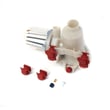
| F02, won’t drain, water left in drum | Drain pump and drain path | Water pump 280187 |
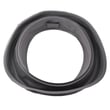
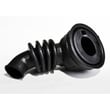
| Leaks at door opening | Door boot and clamp seating | Washer door boot WP8182119 |
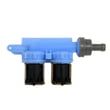
| FH or fill issues | Inlet valve screens and valve | Washer water inlet valve WP8181694 |
Why it matters
Drain restrictions and oversudsing can add time to cycles, leave water in the drum, and contribute to odor. Addressing those early helps protect components like the pump and door lock.
Last updated: January 2026
What is the average lifespan of a Whirlpool washing machine?
Whirlpool doesn’t publish an official “average lifespan” for the Whirlpool GHW9150PW1 washer, so we can’t confirm a model-specific number from the available documentation. In real-world use, longevity varies most with installation, load habits, detergent choice, and routine maintenance outlined in the GHW9150PW1 washer manual.
What typically determines how long a GHW9150PW1 lasts
- Detergent type and dosing: this model is designed for HE (High Efficiency) detergent; oversudsing can extend cycles and stress components
- Load size and balance: frequent overloading or washing single bulky items can increase vibration and wear
- Water quality: hard water can contribute to residue buildup in the tub and dispenser
- Drain and fill performance: slow draining or slow filling can strain the pump and valves
- Moisture control: leaving the door closed all the time can promote odor and residue around the door seal
Practical “life-extending” habits (model-relevant)
- Use HE detergent and avoid overfilling the dispenser.
- Leave the door slightly open between loads to help the interior dry.
- Wipe the door seal area and check for small items trapped near the opening.
- Clean the dispenser drawer periodically.
- Fix drain problems early; a restricted drain path can overwork the pump.
Parts that often come up when performance declines
These are not “lifespan” parts, but they are common wear or failure points on front-load washers:
| Symptom | Likely area to check | Example model-matched part |
|---|---|---|
| Won’t drain, drains slowly | Drain system | Water pump 280187 |
| Won’t fill or fills slowly | Water inlet system | Washer water inlet valve WP8181694 |
| Leaks or odor at door opening | Door seal area | Washer door boot WP8182119 |
Why it matters
Because there’s no official lifespan number for the GHW9150PW1, focusing on maintenance and early symptom repair is the best way to maximize service life and avoid repeat breakdowns.
Last updated: January 2026





