Error Codes




What is the average lifespan of a water softener?
Most water softeners last 10 to 15 years. For a Kenmore 62534370 water softener bypass installation valve setup, lifespan depends most on water hardness, daily water use, and basic upkeep (keeping salt in the brine tank and preventing leaks at the bypass valve).
Typical lifespan ranges
| Water softener type | Typical lifespan | What usually ends it |
|---|---|---|
| Standard single-tank softener | 10 to 15 years | Worn valve seals, resin breakdown, chronic leaks |
| Higher-end systems with strong maintenance | 15 to 20 years | Control valve wear, resin exhaustion |
| Poorly maintained or very hard water conditions | 7 to 10 years | Salt bridging, fouled resin, valve damage |
What shortens (or extends) life the most
- Water hardness and iron: harder water and iron accelerate resin and valve wear.
- Salt management: running out of salt or frequent salt bridging reduces performance and stresses the system.
- Bypass valve leaks: small drips can turn into corrosion and internal wear over time.
- Regeneration frequency: more frequent cycles mean more mechanical wear.
- Basic cleaning: keeping the brine tank and injector area clean helps prevent clogs.
Quick checks to decide repair vs. replace
- You still get hard water shortly after regeneration.
- The unit regenerates often but results do not improve.
- You see water around the bypass valve or plumbing connections.
- Salt level looks normal, but the brine tank water level seems “off” (too high or too low).
- You notice reduced household water pressure.
Parts that matter for longevity on model 62534370
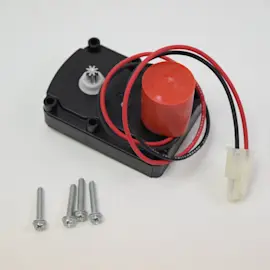
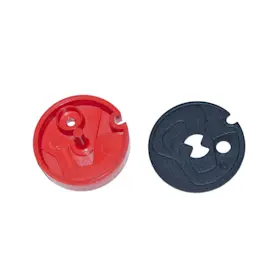
A tight, properly seated bypass assembly helps prevent leaks and keeps service simple. If you are servicing the bypass area, match parts by model number and part ID.
Why it matters
A water softener that is near end-of-life can waste salt and water, allow scale buildup in plumbing and water heaters, and cause inconsistent water quality. Catching bypass valve leaks early often prevents bigger repairs.
Last updated: January 2026
Is it worth repairing a water softener?
Yes, it’s usually worth repairing a water softener when the problem is isolated to a serviceable part (especially a leak or bypass issue) and the unit is otherwise in good condition. For Kenmore model 62534370, bypass-valve related repairs are often straightforward and cost-effective compared to replacing the full system.
Quick decision checklist
- Repair if the softener is under 10 to 15 years old and has been reliable
- Repair if the issue is a leak at the bypass, a stuck valve, or a worn clip/retainer
- Repair if the resin tank and brine tank are intact (no cracks, no heavy corrosion)
- Replace if the softener is over 15 years old and has repeated failures
- Replace if repair cost is more than about half the price of a comparable new unit
- Replace if you have chronic hard water symptoms even after cleaning and correct settings
Common repairs that are “worth it” on this model
Because this model is built around a bypass installation valve, many “no soft water” or “leaking” complaints trace back to the bypass body, seals, or retaining hardware.
| Symptom | Likely area | Typical fix |
|---|---|---|
| Water leaking at valve area | Bypass connection | Inspect and replace worn bypass components |
| Hard water even after regeneration | Bypass not fully in service | Verify bypass handle position, check for sticking |
| Drips after moving plumbing | Retainer/clip not seated | Reseat or replace retainer |
Model-matched parts that often apply:
Why it matters
A working softener protects plumbing and water-using appliances from scale buildup, helps soap work better, and can reduce spotting on fixtures. A small bypass-valve repair can restore performance without the cost and disruption of a full replacement.
Before you decide: 5-minute evaluation
- Put the bypass fully in service and confirm the handle is not between positions
- Check for visible drips around the bypass body and fittings
- Look for salt bridging or a salt “mush” layer in the brine tank
- Confirm the unit is regenerating on schedule (timer or metered control)
- Estimate total repair cost (parts plus labor) versus replacement
Last updated: January 2026
How much should a new water softener system cost?
A new whole-home water softener system typically costs $1,000 to $6,000 installed, depending on grain capacity, water hardness, and installation complexity. If you already have a Kenmore setup like model 62534370, replacing worn bypass-valve parts can be a much lower-cost fix than replacing the entire system.
Typical cost breakdown (what you’re paying for)
- Softener unit (equipment only): about $300 to $7,000+
- Professional installation labor: about $300 to $1,000+
- Optional add-ons: pre-filter, smart monitoring, drain plumbing changes, permits (varies)
- Ongoing supplies: salt and occasional cleaning products
| Option | Typical total cost | Best when |
|---|---|---|
| Repair existing softener | $10 to $150+ | Softener still regenerates but leaks or won’t bypass correctly |
| Replace softener (basic) | $1,000 to $2,500 installed | Small to mid-size home, moderate hardness |
| Replace softener (premium) | $2,500 to $6,000+ installed | High hardness, high flow demand, advanced features |
When a repair makes more sense than replacement
If your Kenmore 62534370 is otherwise working (it regenerates and produces soft water), costs often stay low when the issue is isolated to the bypass installation valve area.
Common repair situations:
- Water leaking at the bypass connection
- Bypass won’t fully open or close
- Loose or damaged retaining clip
Parts that are commonly involved:
Why the installed price varies so much
Installed cost changes mainly because of:
- Water hardness and household size (drives grain capacity needs)
- Plumbing access (tight spaces, old shutoff valves, pipe material)
- Drain and overflow routing (may require new tubing or a standpipe)
- Local labor rates and whether a permit is required
Quick buying checklist (to avoid overspending)
- Match grain capacity to your hardness level and household water use
- Confirm your pipe size and available clearance where the bypass valve sits
- Decide if you want metered regeneration (often saves salt and water)
- Price out repair parts first if the tank and control still function
Last updated: January 2026