Owner’s manual


Where to find model on Kenmore dryer?
On Kenmore dryer model 11082824101, the model and serial number label is located at the top inside the dryer door well. This is the quickest place to check when ordering parts or looking up troubleshooting steps in the 11082824101 owner's manual.
Where to look (most common spots)
Check these locations in order:
- Top inside the dryer door well (model and serial label)
- Inside the door opening on the cabinet frame
- Back of the dryer near the top (some versions place an ID label here)
- Behind the lint screen housing area (less common)
What to write down
For parts lookup and service, we recommend recording:
- Complete model number (example: 11082824101)
- Serial number
- Purchase date (if available)
- Fuel type: electric dryer (this model is electric)
Quick ID checklist
Use this table to avoid mix-ups when ordering Kenmore dryer parts.
| Item | What it looks like | Why you need it |
|---|---|---|
| Model number | Usually starts with 110 on Kenmore-built units | Ensures correct part fit |
| Serial number | Letters and numbers on the same label | Helps match production changes |
| Type | Electric (240V) vs gas | Changes heating and ignition parts |
Why it matters
Kenmore dryers often have multiple versions that look similar. Using the exact model number helps us match the correct heating, drum, and thermostat parts for your dryer and prevents ordering the wrong replacement.
Last updated: February 2026
What is the average lifespan of 11082824101?
A Kenmore electric dryer like model 11082824101 typically lasts 13 years with normal household use. Regular vent cleaning, not overloading, and replacing wear parts early helps this dryer heat correctly, tumble smoothly, and avoid nuisance shutdowns.
What affects lifespan most
- Airflow and venting: restricted exhaust overheats the heater housing and can blow safety fuses.
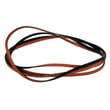
- Load size: chronic overloading strains the drive motor, belt system, and drum supports.
- Heat management: cycling issues can stress thermostats, thermistors, and the heating element.
- Lint control: lint buildup reduces drying performance and raises operating temperatures.
- Timely part replacement: replacing small wear parts prevents bigger failures.
Common “end-of-life” symptoms (and what they usually mean)
| Symptom | Common cause | Typical fix |
|---|---|---|
| Runs but no heat | Heating circuit fault | Test/replace heater or safety devices |
| Stops mid-cycle | Overheat protection opening | Clear venting, check thermal fuse |
| Loud squeal or thump | Idler pulley or blower wheel wear | Replace pulley or wheel |
| Long dry times | Poor airflow or weak heat | Clean venting, check heater/thermistors |
Why it matters
A dryer can keep running past its “average” lifespan, but efficiency and safety margins drop when airflow is poor or heat parts are weak. Following the maintenance and troubleshooting steps in the 11082824101 owner's manual helps you catch problems early.
Last updated: March 2026
What replacement parts are most commonly needed for the 11082824101?
For Kenmore electric dryer model 11082824101, the most commonly replaced parts are heat-safety components, heating components, and drum-drive wear items. These parts typically fail from restricted airflow, normal wear, or heat cycling; the 11082824101 owner's manual helps confirm symptoms and safe access.
Most common replacement parts for this model
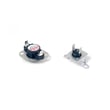
- Dryer thermal fuse: dryer thermal fuse WP3390719
- Dryer thermal cut-off fuse kit: dryer thermal cut-off fuse kit 279973
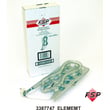
- Dryer heating element: dryer heating element WP3387747
- Dryer high-limit thermostat: dryer high-limit thermostat WP3391914
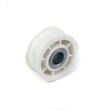
- Dryer idler pulley (squealing, belt slack): dryer idler pulley 279640
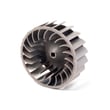
- Dryer blower wheel (rumbling, poor airflow): dryer blower wheel WP697772
- Dryer thermistor (temperature sensing issues): dryer thermistor WP8577274
Quick symptom-to-part guide
| What you notice | Part to check first | Why it fails |
|---|---|---|
| No heat, drum tumbles | Heating element, thermal fuse | Heat circuit opens or element breaks |
| Dryer runs then stops | Thermal fuse or cut-off | Overheating from blocked venting |
| Squeal or chirp | Idler pulley | Bearing wear |
| Loud rumble | Blower wheel | Cracks, lint buildup, loose hub |
Why it matters
Replacing the correct part the first time restores drying performance and helps prevent repeat failures. For example, a blown thermal fuse often points to an airflow problem, so cleaning the lint screen, housing, and exhaust path is part of the repair.
Helpful test tip
Use a multimeter to check continuity on fuses and thermostats before ordering; our guide how to tell if a fuse is blown walks through what “open” vs. “closed” means.
Last updated: March 2026