Error Codes



What is the average lifespan of a KitchenAid dishwasher?
A KitchenAid dishwasher typically lasts about 10 years with normal household use. For your KitchenAid KDTM704ESS2, regular cleaning, correct detergent use, and fixing small leaks or rack issues early are the biggest factors that help it reach (or beat) that average.
Most modern dishwashers fall into a similar range, but real-world life depends on water quality, load frequency, and maintenance.
- Average lifespan: ~10 years
- Common range: 8 to 12 years
- Heavy use (multiple loads daily): often closer to 7 to 9 years
- Light use and good maintenance: often 12+ years
| Usage pattern | What we typically see | Best focus area |
|---|---|---|
| 1 load/day | Around 10 years | Cleaning and leak prevention |
| 2+ loads/day | Shorter lifespan | Pump, motor, and heating performance |
| Hard water | More buildup issues | Filter cleaning and descaling |
These steps reduce strain on the pump, spray arms, heater, and seals.
- Clean the filter area and remove debris regularly.
- Run hot water at the sink before starting a cycle (helps filling and wash performance).
- Use the right amount of detergent; too much can cause residue and odors.
- Check and clean spray arm holes if you see poor cleaning.
- Inspect the door area for drips and wipe the gasket surfaces.
When a dishwasher is otherwise in good shape, replacing a worn part can prevent bigger failures.
- If the dishwasher is not drying well, the heater circuit is a common check point; see the element assembly W10703867.
- If you notice leaking at the bottom of the door, the lower seal is a common wear item; see the dishwasher door seal, lower W10909089.
- If the dishwasher is not draining consistently, inspect the drain path and hose routing; see the dishwasher drain hose 8269144A.
Knowing the typical lifespan helps you decide whether to repair or replace. If your KDTM704ESS2 is under about 10 years old, fixing a specific failure (like a drain issue, seal leak, or heating problem) is often the most cost-effective path.
Last updated: January 2026
What is the most common problem with a KitchenAid dishwasher?
The most common KitchenAid dishwasher problem is poor cleaning, usually caused by restricted water flow (clogged filter area or spray arm ports), low incoming water temperature, or loading that blocks spray. On model KDTM704ESS2, start by checking spray coverage and basic maintenance items.
- Dishes come out with food residue or film
- Glasses look cloudy after the cycle
- Top rack cleans poorly but bottom rack is better
- Detergent doesn’t dissolve fully
- Cycle seems to run normally but results are inconsistent
- Confirm water is hot enough: Run the kitchen faucet hot before starting a cycle (many dishwashers clean best with hot water entering the tub).
- Check spray arm blockage: Remove and rinse the lower spray arm; clear any clogged holes.
- Load for spray access: Keep tall items from blocking the upper spray arm and avoid nesting bowls.
- Use the right detergent: Fresh detergent and the correct amount helps prevent residue.
- Clean and maintain: Regular cleaning reduces grease buildup and improves wash performance.
If the lower spray arm is cracked, warped, or won’t spin freely, replacing it often restores cleaning performance; see the dishwasher spray arm assembly W10860176.
| What you notice | Common cause | Part to consider |
|---|---|---|
| Weak spray, gritty debris returns | Wash system restriction or circulation issue | Pump and motor components |
| Detergent cup stays closed | Dispenser mechanism problem | Dishwasher detergent dispenser W10861000 |
| Poor drying plus poor cleaning | Heating problem affecting wash temp | Element assembly W10703867 |
Poor cleaning is usually a water movement problem. When spray pressure drops or spray paths are blocked, detergent can’t activate properly and soil stays on dishes, even if the dishwasher fills and drains normally.
For step-by-step troubleshooting, we recommend following the checks in dishwasher not cleaning dishes video.
Last updated: January 2026
Is it worth fixing a KitchenAid dishwasher?
Yes, it’s usually worth fixing a KitchenAid dishwasher like model KDTM704ESS2 when the unit is under about 10 years old and the repair is a common wear item (latch, inlet valve, drain hose, heater). Most repairs cost far less than replacing the dishwasher.
Use these checkpoints to make a confident call:
- Age: Under ~10 years typically favors repair; 10+ years depends on condition and repair size.
- Problem type: Leaks, no fill, no drain, poor cleaning, and door issues are often straightforward.
- Part cost vs. value: If the repair approaches 50% of replacement cost, replacement often makes more sense.
- Repeat failures: Multiple major failures in a short time points toward replacement.
- Tub condition: Rust, cracks, or severe corrosion usually points toward replacement.
These are frequent, fixable issues where replacing a specific part can restore normal operation:
- Door won’t latch or starts then stops: dishwasher door latch WPW10653840
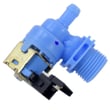
- Not filling or fills slowly: dishwasher water inlet valve W11175771
- Not draining or draining poorly: dishwasher drain hose 8269144A
- Not drying well or water not heating: element assembly W10703867
- Poor wash performance (spray issues): dishwasher spray arm assembly W10860176
| Scenario | Typical outcome | Usually worth fixing? |
|---|---|---|
| Single failed wear part (latch, valve, hose) | Restores normal cycles | Yes |
| Heating or wash performance issue tied to one part | Better drying/cleaning | Yes |
| Multiple major parts needed (motor + control symptoms) | Higher total cost | Sometimes |
| Tub damage or chronic leaks from the tub area | Structural issue | No |
A targeted repair keeps your KDTM704ESS2 running efficiently and avoids the time and cost of a full replacement, especially when the failure is a single component like a water inlet valve, drain hose, or door latch.
For troubleshooting steps before buying parts, use KitchenAid he dishwasher error codes.
Last updated: January 2026