Owner’s manual
 Error Codes


What's the average lifespan of a Samsung fridge?
Most Samsung refrigerators, including the Samsung RF28HFEDBSR, typically last 10 to 15 years. Consistent maintenance (cleaning condenser coils, keeping door gaskets sealing, and fixing ice maker or cooling issues early) is what most often determines whether you land closer to 10 years or closer to 15.
Typical lifespan ranges (what to expect)
Refrigerator life varies by usage, environment, and how quickly small problems are corrected.
- Average: 10 to 15 years
- Often achievable with good care: 15 years
- Common early life reducers: poor airflow around the cabinet, dirty coils, door seal leaks, recurring ice maker issues
- Big-ticket failures that can end service life: sealed system or compressor problems
| What you do | What it helps prevent | Why it extends life |
|---|---|---|
| Clean condenser coils regularly | Overheating, long run times | Reduces compressor strain |
| Keep doors sealing tightly | Frost, warm temps, moisture | Stabilizes temperatures |
| Keep vents clear inside | Hot spots, freezing sections | Improves airflow and cooling balance |
| Replace failed sensors/fans promptly | Temperature swings | Prevents overwork and icing |
Maintenance checklist that makes the biggest difference
We recommend these habits for a bottom-mount Samsung like RF28HFEDBSR:
- Vacuum and brush the condenser coil area; keep dust and pet hair off
- Leave proper clearance around the refrigerator for airflow
- Keep the freezer drawer closing fully; avoid overpacking against vents
- Inspect and clean the door gasket sealing surfaces
- Address water leaks quickly to prevent ice buildup and airflow blockage
- Follow the care and cleaning schedule in the RF28HFEDBSR owner's manual
Why it matters
A refrigerator that runs warmer than normal or runs constantly wears out key components faster. Simple upkeep reduces compressor run time, helps the evaporator fan move air correctly, and keeps temperatures stable so the unit does not have to “fight” to cool.
Last updated: February 2026
What is the most common problem with Samsung refrigerators?
The most common Samsung refrigerator problem, including on the Samsung RF28HFEDBSR, is ice maker trouble (no ice, small cubes, freezing up, or leaking). The next most common issue is inconsistent cooling caused by airflow restrictions, frost buildup, or a failing fan or sensor; check the RF28HFEDBSR owner's manual for model-specific checks and control settings.
Most common issues we see (and what they look like)
- Ice maker stops producing ice or produces hollow or small cubes
- Ice clumps in the bin or the ice room freezes up
- Water dispenser flow is weak or the ice tastes off (often filter related)
- Fresh food section warms up while the freezer seems normal (airflow problem)
- Freezer gets heavy frost and the fan gets noisy (defrost or fan issue)
Quick troubleshooting steps (safe, no tools)
- Confirm temperatures: set freezer near 0°F and fridge near 37°F.
- Check airflow: do not block vents with food packages.
- Inspect door sealing: look for gaps, wrinkles, or frost around the door perimeter.
- Reset after a change: after replacing a filter or clearing ice, allow 24 hours for ice production to stabilize.
- Look for error codes: if the display shows a code, use a Samsung refrigerator error code guide to narrow the failure.
Parts that commonly relate to these symptoms on RF28HFEDBSR
| Symptom | Common cause | Example part for this model |
|---|---|---|
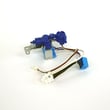
| No ice, slow ice, leaking | Water supply or valve issue | Refrigerator water inlet valve DA62-04027A |
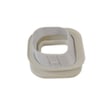
| Warm fridge, noisy fan, frost behind cover | Evaporator cover or fan airflow issue | Samsung refrigerator fresh food evaporator cover assembly DA97-12608A |
| Temps swing, intermittent cooling | Sensor reading out of range | Refrigerator temperature sensor (model-specific options vary) |
Why it matters
Ice maker and cooling problems usually trace back to water flow, airflow, or temperature feedback. Fixing the root cause helps prevent repeat freeze-ups, food temperature swings, and extra run time on the compressor.
Helpful DIY guides
- Why your Samsung fridge stopped making ice and how to fix it
- How to replace the water filter in a Samsung refrigerator
Last updated: February 2026
What are the most commonly replaced parts in a refrigerator?
In a refrigerator like the Samsung RF28HFEDBSR, the most commonly replaced parts are the ones that handle airflow, temperature sensing, water delivery, and door sealing. These parts wear out first because they run often, get exposed to moisture, or are stressed by frequent door openings (and ice and water use). See the RF28HFEDBSR owner's manual for model-specific maintenance and operating details.
Most common refrigerator parts that get replaced
These are the parts we see replaced most often across bottom-mount and French door refrigerators:
- Water filter (clogs over time and reduces water flow)
- Door gasket (air leaks cause warm temps, frost, and longer run times)
- Evaporator fan motor or fan assembly (poor airflow leads to warm fresh food section)
- Temperature sensor (thermistor) (incorrect readings cause temperature swings)
- Water inlet valve (no water to dispenser or ice maker, or slow fill)
- Electronic control board (cooling or defrost problems, intermittent operation)
- Ice maker components (no ice, small cubes, jams)
Common replacements we stock for RF28HFEDBSR
For this Samsung model, these examples match frequent symptom patterns:
| Symptom | Commonly involved part | Example part for this model |
|---|---|---|
| Warm refrigerator section, noisy airflow | Evaporator fan related parts | Samsung refrigerator fresh food evaporator cover assembly DA97-12608A |
| Temperature too warm or too cold | Temperature sensor | Refrigerator temperature sensor DA32-10104N |
| No water or no ice fill | Water inlet valve | Refrigerator water inlet valve DA62-04027A |
| Frost, sweating, or poor sealing | Door gasket | Refrigerator door gasket DA97-05253W |
Quick checks before you order a part
These steps help confirm the failure and avoid replacing the wrong component:
- Verify set temperatures and allow 24 hours after changes for stabilization.
- Check for blocked vents (packages against the back wall restrict airflow).
- Inspect door closure: look for gaps, tears, or hardened gasket areas.
- If ice or water is weak, confirm the house shutoff valve is fully open.
- Listen for the evaporator fan when the door switch is pressed (fan should run during cooling).
Why it matters
Replacing the right high-wear part first (gasket, sensor, fan, valve) restores cooling performance and reduces compressor run time. That helps prevent secondary issues like frost buildup, warm spots, and ice maker failures.
For ice-specific troubleshooting, use why your Samsung fridge stopped making ice and how to fix it.
Last updated: February 2026