Installation guide
 Owner’s manual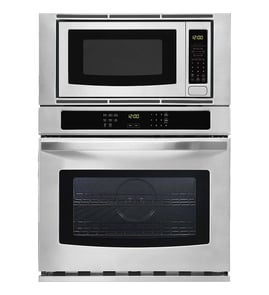



Are wall ovens a standard size?
Yes, wall ovens are built around a few common cabinet cutout sizes, but they are not one single “standard” size. For Kenmore model 79047853408, the correct fit depends on matching your cabinet cutout measurements to the cutout chart in the installation guide.
Common wall oven sizes you’ll see
Most single wall ovens are designed to fit one of these nominal widths:
- 24-inch class
- 27-inch class
- 30-inch class
- Combination units (like oven/microwave combos) often use taller cutouts than a single oven
Depth and height vary by design, door style, and required clearances, so we always recommend measuring the existing opening before ordering or installing.
What matters most: cabinet cutout dimensions
Your installation instructions call out that the first step is to measure your current cutout and compare it to the model’s cutout chart. That is the only reliable way to confirm whether a “27-inch” or “30-inch” labeled unit will actually fit your cabinet.
- Measure cutout width, height, and depth
- Confirm clearance for door swing and trim
- Keep any factory spacers in place (if equipped) so the oven stays centered
- Verify the junction box location and electrical access
- Plan for safe handling; combo units are heavy and awkward to move
Quick size expectations (typical, not model-specific)
| Nominal size class | Typical cutout width range | Typical cutout depth range |
|---|---|---|
| 24-inch | about 22 1/2 to 24 inches | about 22 to 24 inches |
| 27-inch | about 25 1/2 to 27 inches | about 22 to 24 inches |
| 30-inch | about 28 1/2 to 30 inches | about 22 to 24 inches |
For a combination wall oven/microwave, the cutout height is commonly in the low-40-inch range, but the exact requirement depends on the model and trim.
Why it matters
If the cutout is even slightly off, the decorative trim may not sit flush, the oven may not center correctly, and heat can build up around the cabinet. Using the cutout chart in the installation guide prevents fit issues and helps protect surrounding cabinetry.
Last updated: February 2026
How do I know if my wall oven is 27 or 30?
For Kenmore wall oven/microwave combo model 79047853408, you tell whether it is a 27-inch or 30-inch unit by measuring the cabinet cutout opening (not the oven door). Measure the cutout width from the inside left cabinet edge to the inside right cabinet edge, then match it to the installation dimensions in the installation guide.
How to measure the cutout width correctly
Use a tape measure and take the measurement at the front of the opening where the oven trim meets the cabinet.
- Measure inside edge to inside edge of the cabinet cutout (left to right)
- Measure in at least two spots (top and bottom) to catch out-of-square cabinets
- Do not measure the oven door or handle; those can be wider than the cutout
- If the oven is already installed, measure the cabinet opening behind the trim if accessible
- Record the width in inches; most cutouts are close to 27 or 30 inches
What the numbers usually mean (27 vs 30)
For this style of built-in combination oven, the “27-inch” or “30-inch” label refers to the nominal cabinet cutout width category.
| Size class | Typical cutout width you will see | What it affects |
|---|---|---|
| 27-inch | About 27 inches (often slightly over) | Fit in the cabinet opening, trim coverage |
| 30-inch | About 30 inches (often slightly over) | Fit in the cabinet opening, trim coverage |
Quick fit checks before you buy parts or plan a replacement
These checks help avoid a mismatch when planning an install or replacement.
- Compare your measurement to the cutout specs shown in the installation guide
- Confirm there is enough clearance for the oven to slide in without binding
- Verify the junction box location and required clearances shown in the guide
- If the decorative trim does not sit flush, confirm the unit is centered and the cabinet is square
Why it matters
A 27-inch unit will not properly fit a 30-inch cutout (and vice versa) without cabinet changes; the trim, mounting points, and clearances are designed around the correct opening size.
Last updated: February 2026
Is a 27 inch wall oven too small?
A 27-inch wall oven is not too small for most households; it is a common built-in size that fits many standard cabinet cutouts while still handling everyday baking and roasting. For Kenmore model 79047853408, the key is matching your cabinet opening and your typical pan and rack needs (not just the nominal width). See the cutout and clearance details in the installation guide.
How 27-inch compares to other common sizes
A 27-inch wall oven is a practical middle ground between compact and full-size. Here is how the sizes typically stack up:
| Nominal wall oven size | Best for | What to expect |
|---|---|---|
| 24-inch | Small kitchens, light cooking | Tightest rack and pan fit |
| 27-inch | Most households, standard remodels | Good capacity with easier fit than 30-inch |
| 30-inch | Larger households, frequent entertaining | Most flexibility for large pans |
Quick checks to decide if 27-inch is right for you
We recommend focusing on fit and cooking habits:
- Measure the cabinet cutout width, height, and depth before buying or reinstalling.
- Confirm door swing clearance; the installation instructions call out door-open clearance considerations.
- Think about your largest cookware (roasting pan, half-sheet pans) and whether you use them often.
- Consider rack count and rack spacing; tighter spacing can limit tall items.
- If you often cook multiple dishes at once, a 30-inch unit can feel less cramped.
Why it matters (fit and performance)
A wall oven that is “too small” usually shows up in two ways: it does not fit the cabinet opening correctly, or it limits the cookware you can use comfortably. Getting the cutout dimensions and clearances right helps the oven sit flush, vent properly, and operate safely.
Related installation note for model 79047853408
For this Kenmore wall oven/microwave combo, the installation instructions include specific cabinet opening and clearance guidance for 27-inch and 30-inch configurations. Use the installation guide measurements to confirm your cabinet is built for the 27-inch class before planning any trim or cabinet changes.
Last updated: February 2026
What is the standard height for a wall oven microwave combo?
For the Kenmore wall oven/microwave combo model 79047853408, the overall installed height is typically about 41 to 42 inches for the appliance cutout and trim area, depending on cabinet and spacer requirements. For exact cabinet cutout and clearance dimensions, use the installation guide.
Typical height ranges you can expect
Most 27-inch and 30-inch wall oven and microwave combination units land in a fairly tight height band because they are designed to fit standard cabinet openings.
- Common overall height range: about 40 to 44 inches
- Model 79047853408 planning height: about 41 to 42 inches (based on the installation dimension diagram)
- Always confirm: cabinet cutout height, trim overlap, and any required spacers
What the installation dimensions usually mean
The installation diagram for this Kenmore combo shows key planning dimensions around 41 1/8 to 41 1/4 inches (roughly 104.5 to 104.8 cm) for the main height reference used for fitting the unit into the cabinet opening. Use the guide to match your cabinet cutout and ensure the decorative trim sits flush.
| Measurement type | What it’s used for | Typical value for combos |
|---|---|---|
| Cabinet cutout height | Opening in the cabinet | ~41 to 42 in. |
| Overall unit height | Appliance body plus trim influence | ~40 to 44 in. |
| Spacer allowance | Helps trim sit tight to cabinet | Varies by install |
Why it matters
If the cutout height is off by even 1/4 inch, the unit may not slide in correctly, the trim may not sit against the cabinet, or you may end up needing spacers. Getting the height right also helps with proper ventilation and safe mounting.
Quick measuring checklist (before you order or install)
- Measure the existing cabinet cutout height in multiple spots (top, middle, bottom).
- Check for level and square; out-of-square cabinets change the effective opening.
- Confirm trim clearance so the decorative trim can sit flush.
- Verify the junction box location and clearance shown in the install diagram.
- If replacing an older unit, compare the old cutout to the new requirements in the installation guide.
Last updated: February 2026