Owner’s manual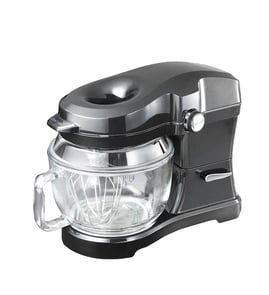

How much should I spend on a stand mixer?
For a Kenmore Elite stand mixer like model 1008900890A, a smart budget is the amount that matches how often you bake and what you mix most. Most shoppers land in the mid-range for regular batters and whipping, and spend more only when they need frequent dough mixing and heavy-load durability.
A practical budget guide (based on how you use it)
- Occasional baking (cookies, frosting, pancakes): choose a basic to mid-range mixer.
- Weekly baking (cakes, buttercream, quick breads): mid-range is the best value.
- Frequent dough (bread, pizza): spend more for stronger gearing and better heat handling.
- Small batches only: prioritize bowl size and low-speed control over max power.
- Attachments matter: budget extra if you want pasta, grain mill, or ice cream maker style add-ons.
What to look for before you pay more
Your 1008900890A is designed to mix efficiently, so you often need less mixing time than older or lighter mixers. That means performance is not only about price; it is also about using the right speed and not overworking the motor. See the speed chart and mixing guidance in the owner's manual.
Features that justify a higher spend
| Feature | Why it matters | Who benefits most |
|---|---|---|
| Stable low speeds (Speed 1-2) | Helps prevent flour splash and protects dough mixing | Bread and pizza makers |
| Strong beater-to-bowl adjustment | Improves mixing without constant scraping | Cake and cookie bakers |
| Better cooling under load | Reduces slowdowns during thick mixes | Frequent, long mixing sessions |
| Accessory hub compatibility | Expands what the mixer can do | Multi-purpose kitchens |
Cost-saving tips that protect the mixer
- Keep yeast dough at Speed 2 or lower to avoid damage.
- Avoid overfilling; heavy loads can slow the mixer (normal under load).
- If the beater hits the bowl, adjust beater height so it just clears the bowl surface.
- Turn the mixer off before scraping; scraping once or twice is usually enough.
- Unplug before touching beaters or cleaning; wipe the exterior with a damp cloth only.
Why it matters
Overspending usually happens when shoppers pay for maximum power they rarely use. Underspending shows up as slowdowns, overheating, or poor results when mixing heavy dough. Matching your budget to your real workload, and following the speed limits in the manual, gives the best long-term value.
Last updated: February 2026
Which is the best stand food mixer?
The best stand food mixer is the one that matches what you make most often. For the Kenmore Elite stand mixer model 1008900890A, we recommend choosing based on your typical recipes (doughs, batters, or whipping) and the attachments you will use most, then confirming speed and attachment guidance in the owner's manual.
How to pick the “best” stand mixer for your kitchen
A stand mixer is “best” when it consistently handles your most common tasks without overheating, stalling, or overmixing.
- Bread and pizza dough often: prioritize a strong motor and a true dough hook
- Cakes and cookies most days: prioritize stable mixing at low to medium speeds
- Whipped cream, meringue, sponge cakes: prioritize a wire whip that builds air quickly
- Small batches: prioritize good low-speed control (to reduce flour splash)
- Attachments matter: choose a mixer with an attachment hub if you want add-ons later
What your Kenmore Elite 1008900890A is designed to do well
Your Kenmore Elite mixer includes common core attachments, and the manual calls out typical uses:
| Attachment | Best for | Why it matters |
|---|---|---|
| Flat beater | Cookies, cakes, frostings, mashed potatoes | Handles normal to heavy mixtures evenly |
| Wire whip | Egg whites, heavy cream, airy cakes | Adds air fast for volume and texture |
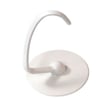
| Dough hook | Yeast doughs (breads, rolls, buns) | Kneads without overworking the dough |
Performance tips that make any stand mixer “better”
Even a great mixer can disappoint if it is used at the wrong speed or with poor clearance.
- Start on Stir/low speed to combine and prevent splatter
- Reduce mixing time versus hand mixers; stand mixers typically mix faster
- If the flat beater hits the bowl or sits too high, adjust beater-to-bowl clearance per the manual
- Never immerse the mixer body in water; clean attachments separately
- Hand-wash the wire whip (it is typically not dishwasher-safe)
Why it matters
Choosing the right stand mixer (and using the right attachment and speed) prevents overmixing, protects the bowl finish, and improves results like dough structure and whipped volume. The “best” mixer is the one that matches your recipes and you can maintain correctly.
Last updated: February 2026
How do I find the model number on my 1008900890A?
Your Kenmore Elite stand mixer’s model number is printed on the appliance’s rating label; once you match it to 1008900890A, you can use the correct diagrams, manual, and replacement parts information for your exact mixer. Use the [1008900890A owner's manual] as a reference for identification and features.
Where to look on the mixer
Check these common label locations for stand mixers like the Kenmore Elite 1008900890A:
- Under the base (flip the mixer carefully and look for a sticker or plate)
- On the underside of the motor head near the hinge/tilt area
- On the back of the mixer housing near the cord exit
- Inside or near the bowl-lift/tilt mechanism area (if accessible)
What to write down (and why)
Record the full model number exactly as shown, including any letters.
| What to capture | Example | Why it matters |
|---|---|---|
| Model number | 1008900890A | Ensures correct parts diagrams and manual match |
| Brand | Kenmore | Helps narrow parts and documentation |
| Product type | Stand mixer | Confirms you are in the right category |
Tips to avoid mix-ups
- Clean the label gently with a damp cloth so the characters are readable.
- Match every character; A at the end is part of the model number.
- If you see multiple numbers, use the one labeled “Model” (not a patent number or internal code).
Why it matters
Stand mixer parts and attachments can vary by revision; using the exact model number (including the final letter) prevents ordering the wrong bowl, beater, dough hook, or other components.
Last updated: March 2026