 Owner’s manual



What is the lifespan of a Bosch washing machine?
Bosch washing machines typically last 10 to 15 years in normal home use. For a Bosch WFMC6400UC front-load washer, consistent care (proper detergent, routine cleaning, and avoiding chronic overloads) is what most often determines whether you land closer to 10 years or closer to 15.
Typical lifespan ranges (what we see most often)
Lifespan depends more on usage and maintenance than brand name alone.
- Normal household use: 10 to 15 years
- Heavy use (large family, multiple loads daily): closer to 10 to 12 years
- Light use (few loads weekly, good care): closer to 12 to 15 years
| Usage pattern | What shortens life fastest | What extends life most |
|---|---|---|
| Heavy | Overloading, frequent hot cycles, skipped cleaning | Correct load size, routine maintenance |
| Average | Occasional overloads, detergent overuse | Monthly cleaning, correct HE detergent |
| Light | Long idle periods with door shut (odor/mildew) | Venting and drying after use |
Maintenance that helps you reach the longer end of the lifespan
These steps reduce wear on the tub, door seal, suspension, and drain system.
- Use the correct amount of HE detergent (too much causes residue and odors)
- Leave the door slightly open between loads so the boot can dry
- Wipe the door seal area regularly and remove debris
- Run a monthly cleaning cycle (hot cycle with washer cleaner)
- Keep loads balanced; avoid washing single heavy items by themselves
- Check hoses and connections periodically for seepage
For model-specific operating and care guidance, follow the cleaning and safety practices in the WFMC6400UC owner's manual.
Why it matters
A front-load washer that is kept clean and not overloaded runs with less vibration, drains more reliably, and puts less stress on wear parts (like the suspension and door seal). That directly impacts long-term reliability and helps prevent leaks and odor issues.
Last updated: February 2026
What is the most common problem with a Bosch washing machine?
The most common issue we see with Bosch washers like the WFMC6400UC is a spin problem caused by an unbalanced load; the washer may thump, pause, or stop the spin to protect the suspension. The next most common is a drain problem tied to a restriction in the drain path or pump filter.
What it looks like (common symptoms)
- Loud banging or heavy vibration during spin
- Washer stops mid-cycle or won’t reach high spin
- Clothes come out wetter than normal
- Water remains in the drum (drain issue)
- Door won’t open because water is still detected
Quick checks you can do first
Use these steps before replacing parts; they solve a large share of “no spin” and “won’t drain” complaints.
- Pause the cycle and redistribute the load (avoid one heavy item by itself)
- Run a Spin/Drain cycle again after rebalancing
- Check the drain hose for kinks, crushing, or a clogged standpipe
- Inspect the water drainage pipe and drain hose for restrictions
- Make sure no laundry is trapped in the door area and fully close the door
For model-specific fault displays and reset guidance, follow the troubleshooting section in the WFMC6400UC manual.
When it’s more than a load issue (parts that often relate)
If rebalancing and drain-path checks don’t help, these parts commonly relate to vibration, leaking at the door, or fill issues:
| Symptom | Likely area | Example part on this model |
|---|---|---|
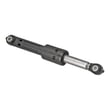
| Excessive vibration or banging | Shock/suspension | Damper 00642112 |
| Water leaking at the door | Door boot and clamps | Washer door boot 00246270, clamp boot 00648264 |
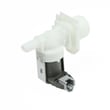
| Won’t fill or fills slowly | Inlet valve | Magnet valve 00422244 |
Why it matters
An unbalanced load can repeatedly stress the suspension and cabinet, and a drain restriction can keep the door locked and leave water in the drum. Addressing the root cause early helps prevent repeat faults and reduces wear on components like the damper and door boot seal.
Last updated: February 2026
What is the specs of wfmc6400uc 01?
For the Bosch WFMC6400UC washer, the most reliable model-specific specs (dimensions, electrical requirements, hose lengths, and program options) are listed in the owner's manual. In general, this is a 27-inch class front-load washer with multiple wash programs and adjustable spin speeds.
Key specs to confirm for WFMC6400UC
Use these as the main spec categories when you are planning installation, stacking, or a replacement:
- Dimensions (overall width, height, depth)
- Installation clearances (space around the cabinet and door swing)
- Electrical connection (voltage, amperage, grounding requirements)
- Water connection (hot/cold inlet requirements)
- Hose and cable lengths (inlet hoses, drain hose reach, power cord length)
- Programs and options (basic programs, special programs, selectable options)
Typical front-load washer specs (helpful planning ranges)
If you are comparing the WFMC6400UC to another Bosch or a different brand, most 27-inch class front-load washers fall into these common ranges:
| Spec | Typical range for 27-inch front-load washers | What to use for exact WFMC6400UC values |
|---|---|---|
| Width | About 27 inches | Owner's manual |
| Height | About 38 to 40 inches | Owner's manual |
| Depth | About 30 to 34 inches | Owner's manual |
| Max spin speed | Commonly 1,000 to 1,400 RPM | Owner's manual |
Why it matters
Getting the exact WFMC6400UC specs right prevents common headaches like a washer that will not fit through a doorway, hoses that will not reach the valves, or an outlet and grounding setup that does not match the washer’s electrical requirements.
Related help for Bosch Nexxt washers
If your question is tied to a display message or fault, we recommend using the Bosch nexxt front load washer error codes guide to match the code to the most likely cause and next steps.
Last updated: February 2026
Is the Bosch 500 washing machine any good?
Yes. Bosch front-load washers like the WFMC6400UC are built for strong cleaning performance, quiet operation, and long-term reliability when they’re installed level and used with the right cycles and detergent amounts. For the best results, follow the cycle and care guidance in the WFMC6400UC owner's manual.
What “good” looks like in day-to-day use
A Bosch 500 Series washer is a good choice when you want consistent cleaning and a compact, efficient front-load design.
- Cleans effectively using modern wash action and programmed cycles
- Runs quietly compared with many traditional washers
- Offers multiple customized programs for different fabrics and soil levels
- Uses less water than many top-load designs
- Performs best when the cabinet is stable and the load is balanced
Key setup details that affect performance
A front-load washer’s quality shows up most during high-speed spin. If the washer is not stable, it can “walk,” vibrate, or get noisy.
| Setup item | What to do | Why it matters |
|---|---|---|
| Floor | Use a solid, even surface (not carpet/foam) | Prevents movement during spin |
| Leveling | Level the washer and lock the feet | Reduces vibration and noise |
| Closet installs | Keep required clearances and ventilation | Helps heat and moisture escape |
| Hot water system | If unused for 2+ weeks, run hot water first | Reduces risk from trapped gas in plumbing |
If it’s noisy or shakes, check these common causes
If your Bosch washer is loud or unstable, these are the first things we check before assuming a major failure.
- Washer not level or feet not firmly set
- Load is too small, too large, or uneven (single heavy items)
- Floor flexing (common on weak wood floors)
- Worn suspension components (for example, a damper 00642112)
- Shipping/transport hardware not removed (on newly installed units)
Why it matters
A “good” washer is not just about brand or series; it’s about how well the machine stays stable, spins smoothly, and matches the load to the right cycle. Proper installation and routine care protect parts like the door boot, bearings, and suspension.
Last updated: February 2026


