Installation guide
 Owner’s manual


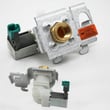
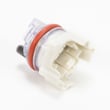

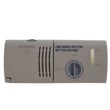
What's the average lifespan of a KitchenAid dishwasher?
Most KitchenAid dishwashers last 10 to 14 years with normal household use; your KitchenAid KUDT03FTSS0 typically lands in that range when it’s installed correctly and kept clean. Consistent maintenance and quick repairs (especially for draining, heating, and control issues) help you reach the high end.
What affects lifespan the most
- Water quality (hard water speeds up scale buildup on the heater and inside the sump)
- How often you run it (daily use wears pumps, seals, and racks faster)
- Cleaning and maintenance (filters, spray arms, and tub care)
- Proper installation (drain loop, water supply, and electrical connections)
- Fixing small problems early (leaks, poor draining, unusual noises)
Maintenance that adds years (and prevents common failures)
Use the care and troubleshooting steps in the KUDT03FTSS0 owner’s manual. Focus on these habits:
- Clean the filter area and remove debris from the sump regularly
- Check spray arm holes for clogs and rinse them clear
- Run a dishwasher cleaner cycle periodically to reduce grease and mineral buildup
- Keep the door seal clean and seated evenly
- Use the right detergent amount; too much can cause residue and poor rinsing
Parts that commonly determine “end of life”
When a dishwasher becomes unreliable, it’s usually one or two key components. Here’s a quick guide for KUDT03FTSS0:
| Symptom | Common suspect | Example part for this model |
|---|---|---|
| Won’t drain, standing water | Drain pump or drain hose restriction | Dishwasher drain pump WPW10348269 |
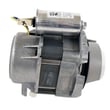
| Poor washing, weak spray | Circulation pump/motor or sump issues | Pump motor (circulation) |
| Not drying, water stays cool | Heating circuit issue | Heater element |
| Dead or erratic controls | Control or power protection | Fuse or electronic control |
Why it matters
A dishwasher that’s maintained and repaired early usually costs less over time, cleans better, and avoids secondary damage (like leaks that can ruin the door seal, wiring, or motor). If you’re seeing repeated draining or heating problems, addressing them promptly is the best way to extend service life.
Last updated: February 2026
What is the most common problem with a KitchenAid dishwasher?
For the KitchenAid KUDT03FTSS0 dishwasher, the most common problems we see are poor cleaning (from clogged spray arms or filters) and drainage issues (standing water from a restriction in the drain path). Leaks from worn seals and occasional control or motor problems are also common.
Most common issues and what to check first
- Dirty dishes after a cycle: check for clogged spray arm holes and a dirty filter/sump area.
- Standing water in the tub: check the drain hose routing and for a blockage at the sink/disposer connection.
- Not drying well: confirm the selected dry option and verify the heater is operating.
- Leaks at the door: inspect the door seal for tears, flattening, or debris.
- Won’t start or stops mid-cycle: check for a tripped breaker, door latch closure, and error indications.
For model-specific operating and care steps (including troubleshooting), follow the KUDT03FTSS0 owner’s manual.
Parts that commonly solve these symptoms
If troubleshooting points to a failed component, these are frequent fixes on this model:
| Symptom | Common part involved | Example part on this model |
|---|---|---|
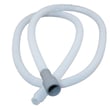
| Dishwasher won’t drain | Drain pump or drain hose restriction | Dishwasher drain pump WPW10348269, Dishwasher drain hose 8269144A |
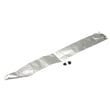
| Poor wash action | Circulation pump/motor or spray arm issue | Pump motor WPW10780877, Dishwasher spray arm WPW10320510 |
| Leaking at door | Door seal or related sealing surfaces | Dishwasher door seal W11196317 |
| No heat or poor drying | Heater circuit issue | Heater element WPW10082892 |
Why it matters
Cleaning and draining problems usually start as simple restrictions (food debris, kinks, buildup). Catching them early helps prevent repeat wash failures, odors, and water left in the tub that can stress the pump and seals.
Helpful DIY guidance
When the symptom matches what you’re seeing, we use these step-by-step resources to narrow it down fast:
- KitchenAid he dishwasher error codes
- Dishwasher not cleaning dishes video
- Dishwasher not draining video
Last updated: February 2026
How to fix rubber seal on KitchenAid dishwasher?
On KitchenAid dishwasher model KUDT03FTSS0, fixing the rubber door seal usually means reseating the gasket evenly in its channel and correcting anything that’s pulling the door out of alignment. A properly seated seal stops leaks and helps the door latch smoothly.
Safety first
Before working around the door or lower panels, turn off power at the breaker. Avoid pushing down on an open door; it can tip and cause injury (installation safety guidance is covered in the installation guide).
Reseat the door seal (most common fix)
- Open the door and inspect the full perimeter of the tub opening.
- Press the rubber seal firmly into the channel a few inches at a time, working from the top center down both sides.
- Make sure the seal is not twisted, stretched, or bunched at the corners.
- Close and latch the door; keep it closed for several hours so the gasket “sets” into position.
Quick checks while you’re there
- Remove food debris, detergent buildup, or glass shards from the channel.
- Look for cuts, flattened sections, or hardened rubber.
- Confirm no sharp utensils are contacting the seal area (loading guidance is in the KUDT03FTSS0 owner’s manual).
- Verify racks are fully seated so they are not pushing the door inward.
- Check that the door closes evenly without rubbing.
If the door still leaks: check door balance and alignment
If the door drops open or won’t stay in position, adjust door spring tension. The installation instructions describe moving the tensioner screw to a different hole and keeping both sides set the same.
| Symptom | Likely cause | What to do |
|---|---|---|
| Leak at top corners | Seal not fully seated | Re-press seal into channel; re-latch door |
| Leak at bottom/front | Door not closing square | Check spring tension and hinge alignment |
| Intermittent leak | Overloading or spray deflection | Re-load; keep items from blocking closure |
When replacement is the right fix
Replace the seal if it’s torn, permanently flattened, or won’t stay in the channel after reseating. If you’re chasing a leak that looks like it’s coming from the vent area instead of the perimeter seal, inspect the dishwasher vent gasket WP8269259 as well.
Why it matters
A good door seal prevents water damage, reduces noise, and helps the wash system maintain proper pressure for cleaning and drying performance.
Last updated: February 2026