Installation guide
 Owner’s manual
 Error Codes
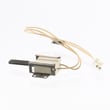


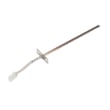
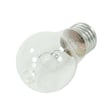

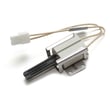
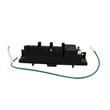
Are all stove igniters universal?
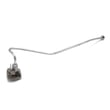
No. Stove and oven igniters are not universal; the correct replacement for your Kenmore 79074239311 gas range must match the original igniter’s mounting style, electrical connector, and how it draws current so the gas valve and burner ignition sequence work properly.
What “not universal” means on a gas range
Even when an igniter looks similar, small differences can prevent reliable ignition.
Common differences include:
- Mounting and shape (hole spacing, bracket style, length)
- Connector type (plug-in vs. bare leads)
- Ignition system compatibility (surface spark vs. oven glow-bar style)
- Electrical characteristics (how the igniter heats and pulls current)
- Application (bake igniter vs. broil igniter vs. surface burner electrode)
How to choose the right igniter for model 79074239311
Start by identifying which ignition system you are repairing:
- Surface burners: When you turn a knob to LITE, you should hear sparking; each burner location uses a separate electrode. Confirm burner caps are seated correctly because misplacement can prevent ignition.
- Oven bake or broil: The igniter should glow like a light bulb; the burner typically lights after a 30 to 60 second warm-up.
Use the 79074239311 installation guide to confirm correct burner cap placement and the expected ignition behavior during setup checks.
Quick part match table
| Symptom | Most likely area | Example model-matched part |
|---|---|---|
| Oven will not light; no glow | Bake ignition circuit | Tappan range oven burner igniter 316489403 |
| Oven glows but heats poorly or cycles oddly | Temperature sensing/control | Frigidaire range oven temperature sensor 316490000 |
| Surface burner clicks but won’t light | Surface ignition/fuel delivery at burner | Check cap/head alignment first |
Why it matters
On this Kenmore gas range, the oven ignition system relies on the igniter heating up before the gas valve opens. If the igniter is the wrong type, you can get delayed ignition, no ignition, or inconsistent burner operation.
Helpful checks before you buy a part
- Verify whether the issue is surface or oven ignition
- Watch for glow (oven) or spark (surface)
- Confirm burner caps and burner heads are seated correctly
- Allow up to 60 seconds for oven ignition during testing
- Compare your old part’s connector and bracket to the replacement listing
Last updated: February 2026
How long should a Kenmore gas stove last?
A Kenmore gas range like model 79074239311 typically lasts 15 years with normal household use. Consistent cleaning, correct burner flame adjustment, and prompt repair of ignition or temperature issues help you reach that lifespan; see the 79074239311 use and care guide for routine care details.
Typical lifespan and what affects it
Most gas ranges reach their full service life when heat, ignition, and airflow stay stable.
- Heavy daily cooking shortens lifespan faster than occasional use
- Grease buildup and poor ventilation increase wear on controls and wiring
- Weak ignition can cause delayed lighting and extra stress on gas components
- Overheating from blocked airflow can damage insulation and electronics
- Skipping basic cleaning leads to burner and oven performance problems
What “15 years” looks like in real use
| Usage pattern | Expected service life | What usually fails first |
|---|---|---|
| Light (few meals/week) | 15+ years | Igniters, knobs, light bulb |
| Average (most days) | ~15 years | Oven igniter, sensor, spark parts |
| Heavy (multiple meals/day) | 10-15 years | Igniters, gas valve wear, control issues |
Maintenance that most improves longevity
These steps prevent common “no heat” and “won’t ignite” complaints.
- Keep burner caps and heads seated correctly after cleaning
- Wipe spills quickly to prevent clogged ports and uneven flames
- Let the oven preheat fully; avoid repeated short cycling
- Watch flame color; a steady blue flame is the goal (a slight orange tint can happen in coastal air)
- Use the correct gas setup (natural gas vs. LP conversion) per the 79074239311 installation guide
When a repair is worth it
If the range is heating inconsistently or struggling to ignite, replacing the common wear parts often restores normal operation.
| Symptom | Common fix | Example part for this model |
|---|---|---|
| Oven won’t heat or takes too long | Replace bake igniter | Tappan range oven burner igniter 316489403 |
| Oven temperature is inaccurate | Replace temperature sensor | Frigidaire range oven temperature sensor 316490000 |
Why it matters
A gas range that lights quickly and holds temperature cooks more evenly, uses fuel more efficiently, and reduces the chance of delayed ignition or overheating that can shorten the life of the appliance.
Last updated: February 2026
How to tell if a gas stove igniter is bad?
A bad igniter on a Kenmore 79074239311 gas range usually shows up as a burner that clicks or glows but does not light reliably, lights very slowly, or lets you smell gas before ignition. If a surface burner does not light within about 4 seconds after air is purged, the ignition system needs attention (cleaning, alignment, or parts testing). See the 79074239311 installation guide for the normal ignition check steps.
Quick symptoms to watch for
- Repeated clicking at a surface burner but no flame
- Burner lights after a long delay, or lights with a sudden “whoosh”
- Igniter spark is weak, inconsistent, or only sparks sometimes
- You smell gas but the burner does not ignite promptly
- Oven takes longer than normal to light (typical glow-to-flame delay is 30 to 60 seconds for many glow-bar systems)
Surface burner checks (most common)
Use these checks first because many “bad igniter” complaints are actually cap or port issues.
- Confirm the knob is turned fully to LITE until the burner ignites
- Make sure the burner cap is seated correctly and centered
- Clean clogged burner ports and ignition ports (use a small-gauge wire or needle with the burner OFF)
- Try each knob separately; each burner location uses its own electrode
| What you see | Most likely cause | What to do next |
|---|---|---|
| Clicking, no flame | Misplaced cap, clogged ports, no gas to burner | Reseat cap, clean ports, purge air by holding at LITE briefly |
| Clicking, delayed flame | Weak spark, dirty burner, moisture | Dry/clean burner parts, recheck ignition time |
| No clicking at any burner | Power issue or ignition circuit problem | Check outlet/breaker, then inspect ignition wiring |
Oven igniter clues (bake or broil)
On this model type, the oven igniter should glow like a light bulb; once hot enough, the oven gas valve opens and the burner lights.
- If the igniter never glows, suspect the igniter, wiring, or control
- If it glows but never lights, the igniter can be weak and not drawing enough current to open the gas valve
If you’re replacing an oven igniter, match it to the correct circuit:
- Bake igniter option: tappan range oven burner igniter 316489403
- Broil igniter option: range oven igniter 5304506545
Why it matters
Slow or failed ignition can allow unburned gas to build up briefly, causing delayed ignition and uneven heating. Restoring normal ignition timing improves safety, baking performance, and burner consistency.
Last updated: February 2026
What are the parts of a gas oven?
A Kenmore gas range like model 79074239311 uses a gas burner system for baking and broiling, plus ignition, temperature sensing, and safety airflow/venting parts. The most common “gas oven parts” customers interact with are the igniter, burner, temperature sensor, oven light, racks, and door components.
Main gas oven components (what they do)
- Oven burner (bake burner): mixes gas and air to create the bake flame under the oven bottom.
- Hot surface igniter: glows to ignite the gas; the oven valve opens after the igniter heats up (often about 30 to 60 seconds).
- Oven gas valve: opens to feed gas to the burner when the control calls for heat.
- Oven temperature sensor: tells the control how hot the oven is so it can cycle the burner.
- Oven vent and airflow path: lets heat and combustion byproducts exit; it also supplies fresh air for proper combustion.
- Oven light and glass shield: illuminates the cavity; the shield must be in place during use.
Parts you may replace most often
| Symptom | Common part involved | Example part for this model |
|---|---|---|
| No bake or delayed ignition | Igniter | Tappan range oven burner igniter 316489403 |
| Oven temperature off | Temperature sensor | Frigidaire range oven temperature sensor 316490000 |
| Oven light out | Appliance bulb | Appliance light bulb, 40-watt 316538904 |
Quick checks before ordering parts
- Confirm whether the issue is bake, broil, or both.
- Watch for the igniter: it should glow before the burner lights.
- Allow normal ignition time; many gas ovens have a 30 to 60 second delay before flame appears.
- Keep the oven vent area clear; blocking airflow can affect combustion and performance.
- If you are replacing the oven light, shut off power and use a 40-watt appliance bulb as specified.
Why it matters
Knowing which system you are troubleshooting (ignition, gas delivery, sensing, or airflow) helps you choose the right replacement part the first time and avoids replacing good parts unnecessarily.
For diagrams, part locations, and operating details specific to Kenmore 79074239311, use the 79074239311 owner’s manual.
Last updated: February 2026
Where to find Kenmore gas range model number?
On the Kenmore gas range model 79074239311, the model and serial number are on the identification plate located on the right-hand surface of the oven front frame. You access it by opening the storage drawer, warmer drawer, or broiler drawer (depending on your range configuration); see the 79074239311 installation guide.
Where to look on the range
Check these spots in this order:
- Open the bottom drawer (storage, warmer, or broiler drawer) and look at the right side of the oven front frame
- Look for a metal or foil identification plate with model and serial information
- Write down the model number, serial number, and any lot number/letter shown
- If the drawer is hard to open, remove it per the 79074239311 owner's manual instructions, then reinstall it after
What the identification plate tells you (and why it matters)
The identification plate is more than a label; it helps us match the correct Kenmore parts and settings for your exact gas range.
| On the plate | Why we need it |
|---|---|
| Model number | Ensures parts fit your exact range design |
| Serial number | Helps confirm production details for compatible replacements |
| Lot number/letter | Improves accuracy when multiple versions exist |
| Fuel and pressure info | Confirms the range was adjusted for the correct gas type |
Tips for ordering the right parts
Using the full model number prevents wrong-part returns and repeat repairs.
- Match the model number exactly: 79074239311
- Use the model number when selecting common repair parts like an igniter or sensor
- If your oven will not heat, a common starting point is the tappan range oven burner igniter 316489403
Why it matters
Kenmore ranges often share similar styling across model families, but internal components (igniters, sensors, harnesses, and burner parts) can differ. The identification plate is the fastest way to confirm the exact configuration before troubleshooting or ordering parts.
Last updated: February 2026