Installation guide
 Owner’s manual
 Error Codes



How do I know what model my dryer is?
Your Kenmore dryer’s model number is printed on the serial plate inside the door opening; on model 41788052700, it’s located on the left side of the door opening. Write down the full model number and serial number exactly as shown for parts lookup and service.
Where to look on Kenmore 41788052700
Check these common label locations first:
- Left side of the door opening (serial plate inside the opening)
- Door frame area near the latch side
- Inside the door itself (less common)
- Behind the lower access panel (some designs)
For the exact location and how the label is referenced in documentation, use the 41788052700 owner's manual.
What to record (and why)
Record the information exactly as it appears on the plate:
- Model number (example: 41788052700)
- Serial number (unique to your dryer)
- Purchase date (helpful for warranty and service history)
Quick reference table
| Item | What it does | When you need it |
|---|---|---|
| Model number | Identifies the exact dryer design | Ordering parts, finding diagrams, matching instructions |
| Serial number | Identifies your specific unit | Service calls, production details, warranty support |
Tips to avoid common mix-ups
- Use the full number, including any leading zeros.
- Don’t use numbers from the control panel or cycle labels; those are not the model number.
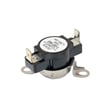
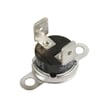
- If you’re comparing parts like a belt or thermostat, match by model number first, then confirm the part.
Why it matters
Kenmore dryers often share similar styling across multiple models; the model number ensures we match the correct parts, wiring layout, and installation requirements so repairs fit and operate safely.
Last updated: January 2026
How do I reset my Kenmore dryer?
For Kenmore dryer model 41788052700, the most reliable “reset” is a power reset: turn the dryer off, unplug it (or switch the breaker off) for about 1 minute, then restore power and try a normal cycle. Use the 41788052700 owner's manual for model-specific control steps.
Quick reset steps (safe and effective)
- Turn the cycle selector to OFF.
- Unplug the dryer (or turn OFF the circuit breaker).
- Wait 60 seconds.
- Restore power.
- Close the door firmly and press START.
- If the dryer was mid-cycle, reselect the cycle, temperature, and options before pressing START.
If it still will not start after a reset
Many “needs a reset” symptoms are actually a power, door, or safety device issue.
- Confirm the plug is fully seated in the outlet.
- Check the house breaker or fuse; some dryers use two fuses on the dryer circuit.
- Make sure the door is fully closed and latching.
- If the drum turns but there is no heat (or the dryer will not run), a safety device may have opened.
Common symptom-to-cause guide
| What you notice | Most common cause | What to do next |
|---|---|---|
| No lights, no response | No power to dryer | Reset breaker, check outlet |
| Runs but no heat | One fuse blown (electric) or gas supply issue (gas) | Check both fuses; verify gas valve open |
| Stops quickly or will not start | Safety device opened | Inspect airflow and venting; service if needed |
Why it matters
A power reset clears a temporary control “glitch,” but repeated shutdowns usually point to power supply problems or overheating from restricted airflow. Fixing the root cause helps prevent nuisance stoppages and protects key heating and safety components.
For installation and venting requirements that affect overheating and shutdowns, follow the 41788052700 installation guide.
Last updated: January 2026
How much to replace a dryer switch?
Replacing a dryer door switch on Kenmore model 41788052700 typically costs about $50 to $150 including parts and labor. The switch is inexpensive, but it is a critical safety interlock; if it fails, the dryer often will not start because it “thinks” the door is open.
What affects the total cost
- Service call minimum: many repairs are billed with a base trip/diagnostic fee
- Access time: some dryers require more disassembly to reach the switch
- Related parts: a worn door strike or door catch can mimic a bad switch
- DIY vs. pro repair: DIY usually costs less but requires safe electrical handling
- Same-visit add-ons: techs may recommend vent cleaning or a quick safety inspection
Quick checks before replacing the switch
- Confirm power: make sure the plug is fully seated and the breaker is on.
- Test the door latch feel: the door should close firmly and “click.”
- Inspect the latch parts: if the door does not stay shut, replace the latch hardware first.
- Look for heat-related shutdowns: if the dryer stops and will not restart until it cools, a safety device may be tripping.
Common door-latch parts that can be involved
| Symptom | Most likely cause | What to do |
|---|---|---|
| Door closes but no “click” | Worn strike | Replace the door strike 5303207102 |
| Door pops open easily | Weak catch | Replace the frigidaire dryer door catch 131658800 |
| Dryer starts only if you hold the door | Misaligned door/latch | Adjust door alignment; replace worn latch parts |
Why it matters
A working door switch helps prevent the dryer from running with the door open. The manual also warns not to tamper with controls and to use proper service practices; following the 41788052700 owner's manual helps keep the repair safe and the dryer operating correctly.
Last updated: January 2026
What is the life expectancy of a Kenmore dryer?
Most Kenmore dryers, including model 41788052700, typically last about 13 years with normal household use. Consistent airflow care (lint screen and venting) is the biggest factor in reaching that lifespan because lint buildup causes overheating, longer dry times, and extra wear.
What affects dryer lifespan the most
- Lint and vent restriction: Clean the lint screen every load; have the exhaust duct and lint screen housing cleaned about every 18 months by qualified service personnel.
- Overheating protection trips: Repeated overheating can shorten the life of heating and safety components.
- Mechanical wear: Drum support parts and the drive system wear faster if the dryer is overloaded.
- Installation quality: Proper exhaust routing and outdoor venting reduce heat and moisture stress.
- Routine cleaning: Keeping the cabinet area and vent outlet clear helps the dryer run cooler and more efficiently.
Quick maintenance checklist (best return for the effort)
- Clean the lint screen before or after each load.
- Check the outdoor exhaust hood for lint buildup and remove it.
- Keep the area around the dryer clear so air can circulate.
- Avoid overloading; heavy loads strain the drum belt, idler, and bearings.
- If you notice squealing or thumping, inspect drum support parts early to prevent bigger damage.
Common wear items vs. “big repairs”
| Category | Examples | What you’ll notice |
|---|---|---|
| Wear items | Belt, drum glides, drum bearing | Squeal, thump, drum not turning |
| Heat and safety parts | Thermostat, thermistor, thermal limiter | No heat, overheating, shuts off |
| Major assemblies | Drum, control board | Loud damage, won’t run, erratic operation |
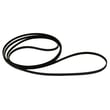
If your 41788052700 starts squealing or the drum stops turning, the drive system is a common place to start; the frigidaire dryer drum belt 134503600 is one of the key wear parts in that system.
Why it matters
A dryer that breathes freely dries faster and runs cooler. That reduces stress on the heating system and moving parts, helping you hit the typical 13-year life expectancy and lowering the chance of overheating-related shutdowns.
For model-specific care and cleaning intervals and safety guidance, follow the 41788052700 owner’s manual.
Last updated: January 2026