



What company makes Craftsman leaf blowers?
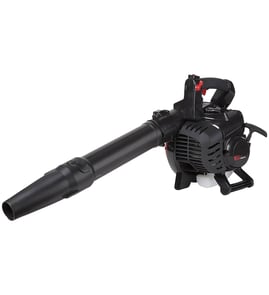
Craftsman leaf blowers (including model 358796981) are sold under the Craftsman brand, which is owned by Stanley Black & Decker. The actual manufacturer can vary by model and production run, so the most reliable way to match components is by using the model-specific parts list for 358796981.
What this means when you need parts
Even when the parent company is the same, small design changes can affect fit. For Craftsman gas blowers, the safest approach is to shop by model number and then match the exact part ID.
Common maintenance parts for model 358796981 include:
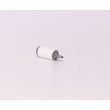
- Fuel system items like a fuel line 530069247 or filter 530095646
- Air intake items like the air filter 530024371
- Starting system wear items like the rope kit 530069232
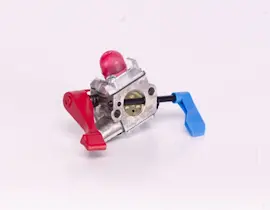
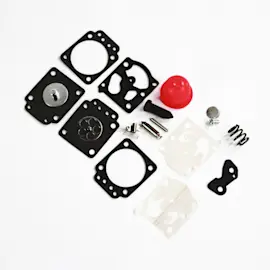
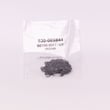
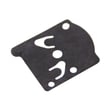
- Carburetor sealing components like the gasket kit 530069844
Quick check: brand owner vs. parts compatibility
| Item | What it tells you | What it does not tell you |
|---|---|---|
| Craftsman brand ownership (Stanley Black & Decker) | Who owns the brand name | Which exact engine/carburetor version your blower uses |
| Model number 358796981 | Which parts fit your blower | Whether another Craftsman model shares the same parts |
| Part ID (example: 530024371) | The exact replacement part to order | That a similar-looking part will fit |
Why it matters
Gas power blowers are sensitive to fuel and airflow issues; using the correct fuel line, fuel filter, and air filter helps prevent hard starting, stalling, and poor throttle response. Matching by model and part ID avoids returns and repeat repairs.
Last updated: February 2026
What is the gas oil mixture for a Craftsman leaf blower?
Most Craftsman 2-cycle gas leaf blowers like model 358796981 use a 50:1 gas-to-2-cycle-oil mix (2.6 fl oz of oil per 1 gallon of gasoline). Mix it in an approved fuel can first, then fill the tank; this ratio helps prevent hard starting, smoking, and engine damage.
Quick mix chart (50:1)
- 1 gallon gas: 2.6 fl oz oil
- 1/2 gallon gas: 1.3 fl oz oil
- 1 quart gas: 0.64 fl oz oil (about 19 ml)
- Use fresh, clean gasoline and 2-cycle oil labeled for air-cooled engines
| Gas amount | Oil needed (50:1) |
|---|---|
| 1 gallon | 2.6 fl oz |
| 2 gallons | 5.1 fl oz |
| 5 gallons | 12.8 fl oz |
How we recommend mixing fuel
- Pour about half the gasoline into the fuel can
- Add the measured 2-cycle oil
- Cap and swirl gently to blend (do not shake violently)
- Add the remaining gasoline and swirl again
- Fill the blower and tighten the fuel cap securely
Why it matters
A lean mix (too little oil) can score the piston and cylinder; a rich mix (too much oil) can foul the spark plug and clog the muffler screen. If your blower runs poorly after mixing correctly, check common fuel-delivery items like the fuel line 530069247 and the filter 530095646.
Last updated: February 2026
What is the life expectancy of a gas leaf blower?
A gas leaf blower like the Craftsman 358796981 typically lasts about 7 to 10 years with normal homeowner use and consistent maintenance. Fuel-system care (fresh fuel, clean filter, good fuel lines) is the biggest factor in whether it reaches the high end of that range.
What most affects lifespan
- Fuel quality and storage: old fuel and ethanol-related varnish shorten carburetor life.
- Air filtration: a dirty filter makes the engine run rich and wear faster.
- Fuel line condition: cracked lines cause lean running and hard starts.
- Cooling and cleanliness: debris buildup can lead to overheating.
- Usage pattern: long wide-open-throttle sessions wear components faster than short cleanups.
Maintenance that helps you hit 10 years
- Replace the air filter when it is dirty or damaged; use the correct air filter 530024371.
- Replace a brittle or leaking fuel line promptly; common replacements include fuel line 530069247 and fuel line 530069571.
- Keep the fuel filter clean; replace it if flow seems restricted using filter 530095646.
- Empty the tank before long storage and run the engine briefly to reduce fuel residue.
- Check fasteners and handles for looseness and vibration wear.
Quick “wear item” guide
| Item | Typical replacement interval | What you notice when it is due |
|---|---|---|
| Air filter | 1 to 2 seasons | Loss of power, smoky exhaust |
| Fuel filter | 1 to 2 seasons | Surging, fuel starvation |
| Fuel lines | 2 to 5 years | Cracks, leaks, hard starting |
Why it matters
Most “leaf blower died” complaints are actually fuel delivery or airflow problems. Replacing low-cost wear parts on schedule helps the Craftsman 358796981 start easier, run cooler, and avoid carburetor damage that can shorten overall life.
Last updated: February 2026
What is the most reliable gas leaf blower?
The most reliable gas leaf blower is the one that matches your yard size and is easy to keep maintained; in real-world use, reliability comes from a proven 2-cycle engine design plus consistent upkeep (fresh fuel mix, clean air filter, and tight fuel lines). For your Craftsman model 358796981, staying on top of routine service is the fastest way to keep it dependable.
What “reliable” means for a gas leaf blower
Reliability is mostly about starting easily, holding a steady idle, and not losing power under load. Those outcomes usually come down to fuel delivery, air flow, and basic ignition timing.
Key reliability factors we look for:
- Easy cold starts and consistent hot restarts
- Stable idle without stalling
- Strong airflow without surging
- Simple access to wear items (filter, fuel line, starter rope)
- Good parts availability for tune-ups
Our practical pick criteria (what to compare before you buy)
If you are shopping across brands, compare these items side-by-side:
| What to compare | What to look for | Why it matters |
|---|---|---|
| Engine type | 2-cycle gas | Fewer systems to fail; easy maintenance |
| Air filtration | Tool-free or quick access | Dirty filters are a top cause of poor running |
| Fuel system | Quality lines and in-tank filter | Prevents air leaks and fuel starvation |
| Starter design | Smooth recoil, available rope parts | Reduces no-start issues |
How to make your Craftsman 358796981 more reliable
Most “unreliable blower” complaints trace back to a few service items. These parts are common fixes for hard starting, stalling, or surging:
- Replace cracked or soft fuel lines: fuel line 530069247 or fuel line 530069571
- Replace a clogged air filter: air filter 530024371
- Replace a restricted fuel filter: filter 530095646
- If the starter rope is frayed or won’t retract smoothly: rope kit 530069232
Why it matters
A gas blower that is slightly out of tune can feel “unreliable” even when the engine is fine. Keeping the fuel system sealed and the air filter clean prevents lean running, reduces stalling, and improves starting consistency.
Last updated: February 2026