Owner’s manual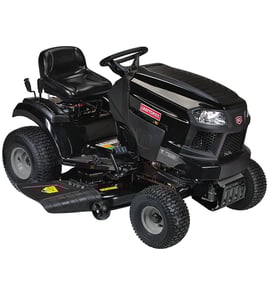

Is a front or rear engine better?
For an MTD 609 front-engine lawn tractor, a front-engine layout is the better choice for most homeowners because it delivers predictable handling, easier steering control, and stable mowing performance on typical yards. Rear-engine designs can be more maneuverable in tight spaces, but they feel more “tail-heavy” and demand more attention to traction and balance.
Front-engine and rear-engine tractors can both cut well; the difference is how they feel and how they behave on slopes, turns, and uneven ground.
| Feature | Front-engine lawn tractor (like MTD 609) | Rear-engine rider |
|---|---|---|
| Stability feel | More balanced and familiar | More weight toward the rear |
| Steering control | Typically more predictable | Can feel light in the front |
| Best use | Larger lawns, varied terrain | Smaller lawns, tighter turns |
| Learning curve | Easier for most users | Takes more practice |
We recommend choosing based on your yard and how you mow, not just engine location.
- If you mow near slopes, prioritize stability and follow the slope limits and technique in the owner's manual.
- If you mow tight areas, maneuverability and deck reach matter more than engine placement.
- If you use attachments (bagger, tow-behind cart), weight distribution and traction become more important.
- If you mow uneven ground, slower speed and smooth steering inputs reduce the chance of losing traction.
- If you mow in reverse, remember many tractors use safety interlocks that can shut the engine off if PTO is engaged in reverse (your manual describes this behavior).
The manual’s operating guidance is the deciding factor on “better” when terrain is involved.
- Mow up and down slopes, not across.
- Avoid wet grass; traction drops quickly.
- Keep movements slow and gradual; avoid sudden braking or acceleration.
- Do not start or stop on a slope; if traction is lost, disengage blades and go straight down.
Engine placement influences balance, traction, and steering feel. For most homeowners, a front-engine tractor like the MTD 609 is easier to control and more forgiving, especially when mowing at full throttle with the deck engaged and navigating typical yard obstacles.
Last updated: February 2026
What does 609 stand for?
On an MTD riding lawn tractor, 609 is the model number that identifies the specific tractor design and the correct parts and procedures for it. For this page, “609” refers to the MTD Model 609 front-engine lawn tractor shown in the owner's manual.
- On the tractor’s model/serial tag (typically under the seat, on the frame, or near the rear fender area)
- On parts diagrams and parts lists to match the right components
- In service and maintenance instructions (oil, belts, deck setup, controls)
- In the operator’s manual cover and model listing (Models 607, 608, 609)
MTD built multiple tractors that look similar, but small differences change which parts fit (deck size, axle style, transmission, engine configuration). Using Model 609 keeps you from ordering the wrong belt, blade, cable, or steering part.
| Item | What can vary | Why it changes parts |
|---|---|---|
| Mower deck | 42-inch vs 46-inch deck | Axle and deck hardware can differ |
| Engine setup | Single-cylinder vs twin | Controls like choke setup can differ |
| Drive system | Transmission versions | Internal parts and service steps can differ |
- Match the model number exactly as 609 when searching parts
- Use the illustrated parts lists in the manual to confirm names and locations
- Compare your deck size and engine type to the descriptions in the manual
- If the engine clicks or won’t crank, follow our troubleshooting steps in riding lawn mower engine clicks but doesnt turn over video
The model number is the key that ties your MTD lawn tractor to the correct maintenance specs and the correct replacement parts, which saves time and prevents repeat repairs.
Last updated: February 2026
What is the average lifespan of 609?
With normal residential use and routine maintenance, an MTD 609 front-engine lawn tractor typically lasts 10 to 15 years. Lifespan depends most on engine care, deck belt and blade wear, and keeping the steering and lift systems tight and lubricated; see the [609 owner's manual] for model-specific maintenance intervals.
- Maintenance frequency: oil changes, air filter service, spark plug replacement
- Deck workload: mowing tall, wet grass increases belt, spindle, and blade wear
- Storage: keeping it dry reduces corrosion on the deck, frame, and fasteners
- Drive and steering wear: loose linkages and worn bushings accelerate handling issues
- Electrical condition: clean battery terminals and intact wiring prevent no-start problems
| System | Typical service life | What usually ends it first |
|---|---|---|
| Engine (single-cylinder or twin) | 10 to 15 years | neglected oil/air filter service, overheating, fuel issues |
| Mower deck (42-inch or 46-inch) | 8 to 12 years | rust-through, spindle wear, repeated impacts |
| Belts and blades | 1 to 5 seasons | normal wear, debris damage, misalignment |
| Steering and lift components | 5 to 10 years | looseness, worn pivot points, lack of lubrication |
- Change engine oil on schedule and keep the oil level correct
- Clean or replace the air filter regularly (dust is hard on small engines)
- Keep the deck clean underneath to reduce rust and improve cut quality
- Inspect deck belt condition and tension; replace at the first signs of cracking or glazing
- Check fasteners and linkage hardware periodically (vibration loosens hardware over time)
A lawn tractor usually reaches the end of its useful life because small wear items stack up (belts, blades, steering play, deck corrosion). Staying ahead of those items keeps the MTD 609 cutting evenly and reduces expensive secondary damage.
Last updated: March 2026