Owner’s manual


Is 6.7 cubic feet a big dryer?
6.7 cubic feet is a full-size dryer capacity, so yes, it’s “big” compared with compact models. For Maytag model MED6230HW1 specifically, we can’t confirm that 6.7 cu. ft. is the drum size from the model-specific information we have here; use the MED6230HW1 dryer installation and care manual to verify your exact capacity and loading guidance.
A 6.7 cu. ft. drum is generally considered full-size and works well for most households.
- Handles typical mixed loads (shirts, jeans, towels)
- Usually accommodates many bulky items (blankets, comforters) when loaded loosely
- Provides more tumbling room than compact dryers
- Helps reduce wrinkling when you avoid packing the drum tight
- Performs best with good airflow and a clean vent system
| Dryer capacity | Common label | Typical fit |
|---|---|---|
| 3.4 to 4.4 cu. ft. | Compact | Small loads, tight spaces |
| 5.0 to 7.0 cu. ft. | Full-size | Most households |
| 7.1+ cu. ft. | Extra-large | Frequent bulky loads |
Capacity affects drying performance and fabric care. Overloading reduces airflow and can cause long dry times; underloading can waste energy. Venting also plays a major role in how fast any dryer dries.
If your loads take too long to dry, follow the airflow and vent checks in the dryer takes a long time to dry guide.
Last updated: January 2026
What is the average lifespan of a Maytag washing machine?
A Maytag washing machine typically lasts 10 to 14 years with normal household use and basic maintenance. Although your model MED6230HW1 is a Maytag dryer, this washer lifespan range is a solid benchmark when you are comparing Maytag laundry appliances.
Your MED6230HW1 documentation focuses on installation, venting, and care for the dryer, not washer life expectancy. For dryer-specific care and maintenance steps, follow the guidance in the MED6230HW1 dryer installation and care manual.
These factors usually make the biggest difference in how long a Maytag washer lasts:
- Load size and balance (frequent overloading shortens bearing, suspension, and drive life)
- Detergent use (too much detergent can cause residue and odor issues)
- Water quality (hard water can accelerate buildup in valves and internal passages)
- Drain and spin stress (repeated unbalanced spins wear suspension components)
- Maintenance habits (cleaning, leveling, and hose checks prevent avoidable failures)
| Appliance type | Typical lifespan | What usually ends it first |
|---|---|---|
| Washer | 10 to 14 years | Bearings, suspension, drain pump, control issues |
| Dryer | 10 to 13 years | Heating system, rollers, belt/idler wear, airflow problems |
Knowing the typical washer lifespan helps you decide whether a repair is worth it, plan for replacement timing, and prioritize maintenance that prevents the most common wear-related breakdowns.
Last updated: January 2026
What is the most common problem with Maytag dryers?
The most common Maytag dryer complaint we see (including on Maytag model MED6230HW1) is poor drying or no heat, and the root cause is often restricted airflow from lint buildup or a crushed/too-long vent run. Start with venting and power checks before replacing parts. See the MED6230HW1 installation and care manual for venting requirements and airflow checks.
- Clean the lint screen after every load; wash it with water if you use dryer sheets.
- Confirm the exhaust hood outside opens fully while the dryer runs.
- Inspect the vent path for kinks, crushed flex duct, or long runs with too many elbows.
- For electric dryers: verify the dryer has full 240V power (a tripped breaker can leave the drum turning but no heat).
- For gas dryers: confirm the gas shutoff valve is fully open.
On MED6230HW1, these are common heat and dry-time related suspects after airflow is verified:
- Thermal safety devices opening due to overheating
- Temperature sensing issues
- Heating circuit component failure
| Symptom | Most likely starting point | Example compatible part for this model |
|---|---|---|
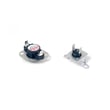
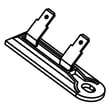
| Runs but no heat | Check venting first; then test thermal fuse | Thermal fuse W10909685 |
| Overheats or shuts heat off early | Check airflow; then test high-limit thermostat | Dryer high-limit thermostat WP3391914 |
| Erratic temps or long dry times | Check venting; then test thermistor | Dryer thermistor WP8577274 |
A restricted vent can make any dryer take longer to dry, overheat, and trip safety fuses. Fixing airflow first often restores normal drying and helps prevent repeat failures.
Last updated: January 2026