Owner’s manual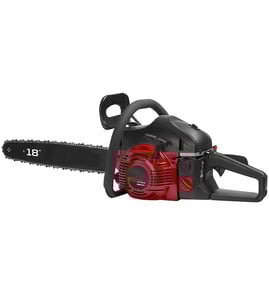





Should I use 40 1 or 50 1 fuel for a chainsaw?
For the Craftsman 358360381 gas chainsaw, use a 40:1 fuel mix (unleaded gasoline mixed with quality synthetic 2-cycle air-cooled engine oil). That ratio is 3.2 oz of 2-cycle oil per 1 gallon of gas, which matches the fueling instructions in the 358360381 owner's manual.
How to mix 40:1 fuel correctly
- Use fresh, unleaded gasoline in an approved fuel container.
- Use synthetic 2-cycle air-cooled engine oil (Craftsman-branded oil is recommended for this model).
- Measure accurately; too little oil can damage the engine.
- Mix outdoors and wipe up spills before starting.
- Move at least 10 feet away from the fueling area before starting the saw.
Quick mix chart
| Gasoline amount | 40:1 oil amount | Notes |
|---|---|---|
| 1 gallon | 3.2 oz | Standard mix for model 358360381 |
| 1/2 gallon | 1.6 oz | Useful for small batches |
| 1 quart | 0.8 oz | Good for test runs |
What happens if you run 50:1 in this saw?
Using 50:1 in a saw designed for 40:1 reduces the oil in the mix. That can increase wear and raise the risk of scoring the piston and cylinder, especially under heavy cutting loads or high temperatures.
Related maintenance that protects the bar and chain
Fuel mix is only half the lubrication story. This model also needs bar and chain oil every time you fuel.
- Fill the bar oil tank whenever you fill the fuel tank.
- Use Craftsman bar oil when possible; SAE 30 oil is an acceptable short-term substitute.
- Watch for smoke or bar discoloration; those are common signs of low bar oil.
Why it matters
Correct 40:1 fuel protects the crankshaft bearings, piston, and cylinder from heat and friction. It also helps the carburetor stay tuned more consistently, which improves starting and cutting performance.
Last updated: January 2026
What size is the fuel line on a chainsaw?
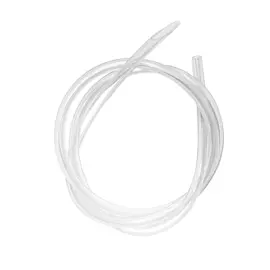
On the Craftsman 358360381 gas chainsaw, fuel line size is determined by the fuel system fittings and routing, not just the outside diameter. For most small 2-cycle chainsaws, the correct replacement is a small, flexible line sized to seal tightly on the tank grommet and carburetor fittings; confirm the exact routing and connection points in the 358360381 owner's manual.
How to identify the correct fuel line size
Use these checks before ordering or cutting new line:
- Match the inside diameter (ID) to the barb or fitting so it slides on firmly without splitting.
- Match the outside diameter (OD) to the tank pass-through or grommet so it seals and does not leak.
- Compare the old line for hardening, swelling, or cracking; degraded line can look “smaller” than it should.
- Verify whether your saw uses one line (fuel supply) or two lines (supply and return/vent).
- Confirm the line is rated for gasoline and 2-cycle oil mix.
Common chainsaw fuel line sizes (typical)
Most homeowner gas chainsaws use fuel line in these general ranges:
| Fuel line use | Typical ID range | Typical OD range |
|---|---|---|
| Tank to carb (supply) | 1/8 in. to 3/16 in. | 1/4 in. to 5/16 in. |
| Primer/return (if equipped) | 3/32 in. to 1/8 in. | 3/16 in. to 1/4 in. |
If your 358360381 is leaking fuel or the line is stiff, replacing the line and fittings together prevents repeat leaks. A common related replacement is the ayp lawn & garden equipment fuel line, large 530069216.
Why it matters
A fuel line that is even slightly oversized can leak at the tank or carburetor; undersized line can restrict fuel flow and cause hard starting, surging, or stalling.
Related troubleshooting
If you are chasing a “won’t start” or “runs rough” symptom after replacing fuel line, use these guides for the next checks:
Last updated: January 2026
What is the average lifespan of 358360381?
A Craftsman 358360381 42cc 2-cycle gas chainsaw typically lasts 8 to 12 years with normal homeowner use and routine maintenance. In engine-hours, most small 2-cycle saws deliver about 150 to 300 hours before major engine work becomes likely.
What affects lifespan most
- Fuel quality and correct 2-cycle mix ratio (fresh, properly mixed fuel)
- Air filtration and cleaning frequency (dirty filters shorten engine life)
- Bar and chain lubrication (running dry accelerates wear)
- Cooling and exhaust condition (keep fins and muffler area clear)
- Storage habits (draining fuel or using stabilizer between seasons)
Maintenance that extends life on this model
Use the maintenance schedule in the owner's manual and focus on these high-impact items:
- Replace a clogged air filter; this model uses the mcculloch lawn & garden equipment engine air filter 530057925
- Keep the fuel system tight and flexible; cracked lines are common, use the ayp lawn & garden equipment fuel line, large 530069216
- Maintain the muffler and spark arrestor to prevent power loss and overheating
- Keep the chain sharp and properly tensioned to reduce load on the clutch and engine
Lifespan guide (what to expect)
| Usage pattern | Typical engine-hours | Typical calendar life |
|---|---|---|
| Occasional storm cleanup | 25 to 50 hrs | 10 to 15 years |
| Regular homeowner cutting | 50 to 100 hrs | 8 to 12 years |
| Heavy property use | 100+ hrs | 3 to 7 years |
Why it matters
Most “worn out” chainsaws are actually suffering from fuel, air, or lubrication problems. Staying ahead of basics like the air filter, fuel lines, and bar oiling keeps the 358360381 starting easier, cutting faster, and avoids premature engine and clutch wear.
Last updated: March 2026