Owner’s manual
 Error Codes



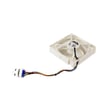
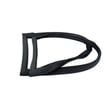
What are signs of a failing refrigerator?
If your GE PFE28KSKKSS bottom-mount refrigerator is failing, you will usually notice warming temperatures, frequent frost or moisture, water leaks, or new loud noises. These symptoms often point to airflow problems, a sealed-system issue, or a water supply or defrost drain problem.
Common warning signs to watch for
- Food spoils faster than normal in the fresh food section.
- Freezer items soften, or ice cream stays too soft.
- Excess frost in the freezer or heavy condensation inside.
- Puddles or water leaks under the refrigerator.
- The refrigerator runs almost constantly or cycles very often.
- New noises (clicking, buzzing, grinding, rattling) that persist.
- The cabinet sides or back feel unusually hot for long periods.
Quick checks we recommend first
- Confirm temperatures: Set the refrigerator to about 37°F and the freezer to about 0°F (typical targets).
- Check door sealing and alignment: A poor seal causes warm air leaks, frost, and long run times.
- Look for airflow blockage: Avoid packing food tightly against vents.
- Inspect for water issues: Check the water line connection and look for a clogged defrost drain.
- Review model-specific guidance: Use the PFE28KSKKSS owner's manual for control settings, care, and troubleshooting tips.
Symptom-to-likely-cause guide
| Symptom | Most common causes | What to do next |
|---|---|---|
| Warm fridge and freezer | Compressor/sealed system, condenser airflow, evaporator fan | Clean airflow paths; listen for fan; schedule service if temps keep rising |
| Frost buildup | Door leak, defrost problem | Check gasket and door closure; reduce humidity exposure |
| Water under unit | Defrost drain clog, water line leak | Clear drain path; inspect tubing and fittings |
| Slow water or low ice | Water filter restriction, supply issue | Replace filter; flush dispenser after filter change |
Why it matters
Catching these signs early helps prevent food loss and can reduce secondary damage (like floor damage from leaks). For water and ice symptoms, the manual notes that reduced flow or ice production is a strong indicator the water filter needs replacement, even before the reminder interval.
For related fixes and diagnostics, use: GE refrigerator error codes, how to get rid of refrigerator puddles, and how to fix your evaporator cooling fan.
Last updated: February 2026
What are the disadvantages of a bottom freezer refrigerator?
A bottom-freezer design like the GE PFE28KSKKSS keeps fresh food at eye level, but the tradeoff is that frozen items are lower and often stored in deep baskets. That can mean more bending, more digging for small items, and slightly less “wide-open” space for bulky freezer packages.
Common disadvantages you may notice
- More bending and reaching: You access the freezer from a lower drawer, so you bend more often for frozen foods.
- Harder to organize small items: Deep baskets can hide bags, boxes, and ice cream behind other items.
- Heavier freezer drawer: A fully loaded freezer drawer can feel heavy to pull out and push in.
- Potential for door and drawer alignment issues: If the refrigerator is not level, doors and drawers can sit unevenly.
- Less convenient for frequent freezer users: If you use frozen foods daily, the lower location can be less ergonomic.
Quick comparison: bottom freezer vs top freezer
| Feature | Bottom freezer refrigerator | Top freezer refrigerator |
|---|---|---|
| Fresh food access | Easier (at eye level) | More bending |
| Frozen food access | More bending | Easier (higher up) |
| Freezer organization | Often deep baskets | Often shelves, easier visibility |
| Drawer/door feel | Can be heavier when loaded | Usually lighter door swing |
Tips to reduce the downsides
- Keep “everyday” frozen items in the upper basket or top layer for faster access.
- Use small bins to group items (breakfast, snacks, vegetables) so you do less rummaging.
- Avoid overpacking; airflow and visibility both improve when the drawer closes easily.
- Level the refrigerator so doors and the freezer drawer track smoothly (leveling legs are typically at the front bottom).
- For model-specific features and care guidance, follow the PFE28KSKKSS owner's manual.
Why it matters
Bottom-mount refrigerators are designed to make the refrigerator compartment more convenient, but your comfort and day-to-day usability depend on how often you use the freezer and how you store food. Good organization and proper leveling make the biggest difference.
Last updated: February 2026
What is the average lifespan of a GE refrigerator?
Most GE refrigerators, including the GE PFE28KSKKSS bottom-mount refrigerator, last 12 to 15 years with normal household use. Regular maintenance (cleaning condenser coils, keeping door gaskets sealing, and using the correct water filter) is what most often determines whether you land closer to 10 years or closer to 15.
Typical lifespan ranges (what we see most often)
| Refrigerator type | Typical lifespan | What usually ends it first |
|---|---|---|
| Standard full-size refrigerator | 12 to 15 years | Compressor or sealed system wear, control board issues |
| French door / bottom freezer (like PFE28KSKKSS) | 12 to 15 years | Ice maker and dispenser wear, fan or defrost problems |
| Built-in premium units | 15 to 20 years | Sealed system or electronics over time |
Maintenance that extends life the most
- Clean the condenser coils regularly (dust buildup makes the compressor run hotter and longer).
- Keep doors aligned and closing fully; fix gasket gaps quickly.
- Maintain airflow; do not block interior vents with food containers.
- Replace water filters on schedule to protect the water system and ice maker.
- Keep the freezer from frosting up; address defrost issues early.
- Use stable temperatures: 37°F fresh food and 0°F freezer.
Quick checks when performance starts slipping
- Warm fridge or freezer: listen for the evaporator fan and check for heavy frost on the back panel.
- Door alarm beeping: confirm doors are sealing and not held open by bins; use how to reset the door alarm on a GE refrigerator.
- Odd temps or flashing displays: look up the code and follow the recommended checks in GE refrigerator error codes.
Why it matters
A refrigerator can often keep running past its “average” lifespan, but efficiency and food safety depend on stable temperatures. Catching airflow, gasket, and ice maker issues early helps you avoid compressor strain, which is the most expensive type of failure.
For model-specific care and warranty details, use the PFE28KSKKSS owner’s manual.
Last updated: February 2026
What is the most common problem with GE profile refrigerators?
The most common GE Profile refrigerator complaint is not cooling properly (fresh food warm, freezer warming, or temperatures swinging). On the GE PFE28KSKKSS bottom-mount refrigerator, this usually traces to airflow issues, dirty condenser coils, a fan problem, or a defrost-related ice buildup; start with basic checks in the PFE28KSKKSS owner's manual.
Most common issues we see (and what they look like)
- Not cooling or weak cooling: food spoils faster, ice cream soft, fridge runs constantly
- Ice maker not making ice: empty bin, small cubes, slow production
- Water dispenser issues: low flow, sputtering, no water
- Unusual noises: buzzing, rattling, clicking, fan-like grinding
- Water leaks or puddles: under crisper, under freezer drawer, or at the front
Quick checks to do first (10 minutes)
- Confirm temperature settings (typical targets: 37°F fridge, 0°F freezer).
- Make sure vents inside the refrigerator are not blocked by food containers.
- Clean condenser coils (dust buildup commonly causes warm temps and long run times).
- Check door closing and gasket seal; a small air leak can mimic a cooling failure.
- If you have a dispenser, replace the water filter on schedule and fully seat it.
Symptom-to-cause cheat sheet
| Symptom | Most likely cause | Best first action |
|---|---|---|
| Fridge warm, freezer OK | Airflow restriction or evaporator fan issue | Clear vents; listen for fan; check for frost buildup |
| Both sections warm | Dirty coils, condenser fan, compressor start issue | Clean coils; verify fans running |
| No ice and no water | Supply issue or filter not seated | Verify shutoff valve open; reseat/replace filter |
| Puddles inside | Defrost drain restriction | Clear drain path; check for ice at drain trough |
Why it matters
Cooling and airflow problems can quickly lead to food loss and extra wear on the sealed system. Catching simple causes early (coils, airflow, door seal, filter) prevents bigger repairs.
Related help for common GE Profile symptoms: GE refrigerator error codes, how to replace the water filter in a GE refrigerator.
Last updated: February 2026
Why is the bottom freezer refrigerator not popular?
Bottom-freezer refrigerators (like the GE PFE28KSKKSS) are less popular mainly because they cost more than basic top-freezer models and many people prefer the everyday convenience of a fridge section at eye level without bending for freezer access. They are not inherently “least reliable” or “least efficient.”
Common reasons shoppers skip bottom-freezer models
- Higher upfront price than many top-freezer refrigerators
- Freezer access requires bending; some users prefer a top freezer for quick grabs
- More features and parts (ice maker, dispenser, multiple fans, control boards) can mean more potential service points over time
- Space and fit concerns; French-door and bottom-freezer designs can be wider and need more clearance
- Organization preferences; some people dislike freezer drawers and baskets compared to shelves
Reliability and efficiency: what’s actually true
Bottom-freezer designs do move cold air between compartments, but so do most modern refrigerators. Efficiency and reliability depend more on insulation, compressor design, door sealing, airflow management, and how the refrigerator is installed and maintained.
| Topic | What affects it most | What you can do |
|---|---|---|
| Energy use | Room temp, door openings, gasket seal, condenser airflow | Keep doors closed, clean vents, fix gasket issues |
| Cooling performance | Airflow, fan operation, temperature settings | Set correct temps, avoid blocking vents |
| Service frequency | Feature complexity, water/ice system use, maintenance | Replace filters on schedule, keep water line healthy |
Why it matters
If you are choosing a style, popularity is usually about daily ergonomics and price, not a universal performance problem. For the GE PFE28KSKKSS, correct clearances and temperature settings help it run efficiently and cool evenly.
Helpful model-specific resources
- Use the temperature control instructions and installation clearance guidance in the PFE28KSKKSS owner’s manual.
- If alarms are part of the frustration with door use, follow how to reset the door alarm on a GE refrigerator.
Last updated: February 2026