Owner’s manual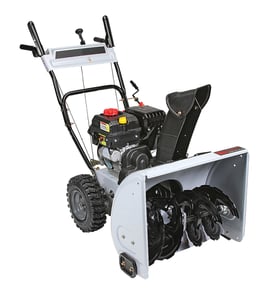




What is the typical lifespan of a gas snowblower?
A typical gas snowblower lasts 10 to 20 years when it is maintained and stored correctly. For your Snapper SX5200E snow thrower, routine end-of-season care plus in-season checks (belts, cables, fuel handling) are the biggest factors in reaching the high end of that range; see the owner's manual.
- Fuel management and storage: drain fuel and run the engine until the carburetor is empty before seasonal storage.
- Belt condition: check for cracking, fraying, or exposed strands and replace before it fails.
- Control cable condition: inspect for fraying or kinks and adjust tension as needed.
- Auger wear items: inspect auger flite shoes and replace if damaged.
- Basic engine upkeep: follow the engine service schedule (oil, spark plug, etc.).
If your SX5200E still starts reliably and throws snow normally, maintenance and a few wear parts usually make sense. Replacement becomes more practical when multiple major systems need work at the same time.
| Situation | What it usually means | Best next step |
|---|---|---|
| Starts and throws well | Normal wear | Keep up seasonal maintenance |
| Frequent belt or cable issues | Wear or misadjustment | Inspect, adjust, replace worn parts |
| Poor performance even after tune-up | Deeper wear or damage | Diagnose drive/auger system and engine |
A snowblower’s lifespan is mostly determined by preventing off-season damage (fuel varnish, corrosion) and catching wear early (belts, cables, auger components). The SX5200E manual specifically calls out pre-start inspections and end-of-season storage steps that help avoid expensive failures.
- For routine engine air filtration service, use the model-matched Snapper filter 394358S.
- For step-by-step maintenance habits that extend service life, follow how to make your snowblower last longer.
Last updated: February 2026
Should I use 87 or 91 for snowblower?
For the Snapper SX5200E gas snowblower, we use fresh regular unleaded 87 octane for normal operation. Octane does not add power in typical snowblower engines; the bigger priority is using clean fuel, avoiding stale gas, and handling fuel safely as outlined in the owner's manual.
- Use 87 octane regular unleaded for everyday snow clearing.
- Use fresh fuel; don’t run old gas that has been sitting for weeks or months.
- Avoid stale fuel in the tank or can; it is a top cause of hard starting and carburetor gumming.
- Avoid fueling with the engine running; add fuel outdoors with the engine stopped and cool.
- If you store fuel, use an approved fuel container and keep it away from ignition sources.
| Fuel choice | When it makes sense | What it changes |
|---|---|---|
| 87 octane (regular) | Best default for SX5200E | Meets typical small-engine needs |
| 91 octane (premium) | Only if it is the freshest option available | Usually no performance benefit |
| Ethanol-free fuel (any octane) | Best for storage and fewer fuel-system issues | Helps reduce varnish and moisture problems |
Most snowblower fuel problems come from fuel quality and storage, not octane rating. Fresh, properly stored gasoline helps your SX5200E start easier, run smoother, and reduces the chance of carburetor and fuel-line issues.
- Drain old fuel from the tank (safely, outdoors) and refill with fresh gas.
- Check the spark plug condition and gap.
- Verify the choke and throttle settings are correct for a cold start.
- Inspect the air intake and service the air filter if it is dirty; the Snapper filter 394358S is the model-matched filter listed for this snowblower.
Last updated: February 2026
Is a 2 stage or 3 stage snowblower better?
A 2-stage snowblower is the better choice for most homeowners because it handles deeper snow and plow berms well while staying simpler and easier to maintain; a 3-stage is better when you regularly face very deep, icy, end-of-driveway piles and want faster intake. For your Snapper SX5200E, the SX5200E owner's manual identifies it as a single-stage snow thrower, so “2-stage vs 3-stage” is mainly a shopping comparison rather than a setting or upgrade on this model.
| Feature | 2-stage snowblower | 3-stage snowblower |
|---|---|---|
| Snow intake system | Auger feeds an impeller | Auger plus an accelerator (third stage) feeds an impeller |
| Best for | Most driveways; moderate to heavy snow | Very deep, dense, icy snow; frequent plow banks |
| Speed in tough snow | Strong | Typically faster in hard-packed conditions |
| Weight and complexity | Lower | Higher |
| Maintenance | Fewer moving parts | More moving parts |
We recommend matching the stage to your conditions and storage space:
- Snow depth and density: deeper, wetter, or icy snow favors 3-stage.
- End-of-driveway berms: frequent heavy plow piles favor 3-stage.
- Driveway size: larger areas favor 2-stage or 3-stage over single-stage.
- Surface type: gravel drives often need more clearance control (common on larger staged units).
- Budget and upkeep: 2-stage usually wins on value and simpler service.
Your Snapper SX5200E is a single-stage, extended frame snow thrower (20-inch auger width is called out in the manual). Single-stage units are best for:
- Smaller to medium areas
- Lighter to moderate snowfall
- Clearing sooner (before snow becomes packed and icy)
Choosing the right stage affects clearing time, how well you handle wet or frozen snow, and how much routine maintenance you take on (belts, cables, and drive components). Keeping up with the maintenance schedule in the SX5200E owner's manual helps any snowblower perform at its best.
Last updated: February 2026
What is the best snow blower for the money?
The best snow blower for the money is the one that matches your snowfall depth, snow type, and the size of the area you clear. If you already own a Snapper SX5200E, the best value usually comes from keeping it maintained and using the right wear parts listed in the owner's manual.
- Light to moderate snow, smaller areas: single-stage snow thrower for faster, lighter handling
- Deep snow and end-of-driveway plow piles: two-stage gas unit for higher intake and throwing capacity
- Long or steep driveways: look for strong traction and multiple forward speeds
- Frequent storms: prioritize easy starting and simple controls over extra features
- Best long-term value: choose a common platform with readily available belts, scraper components, and engine tune-up parts
| Your situation | Best “value” type | What you gain | What you give up |
|---|---|---|---|
| Sidewalks, small driveway, frequent clearing | Single-stage | Lower cost, easier storage, quick passes | Less capacity in deep, wet snow |
| Heavy snowfalls, wider driveway | Two-stage gas | Better throughput, handles plow berms | Higher cost, more maintenance points |
| Noise-sensitive areas, minimal seasonal upkeep | Battery electric | No fuel storage, simpler off-season prep | Runtime limits, battery cost |
The SX5200E is a gas snow thrower; “electric start” on this style of machine means an electric starter helps crank the gasoline engine (it is not a fully electric snowblower). For model-specific operating and safety details, follow the owner's manual.
Maintenance items that protect performance and reduce total cost of ownership:
- Keep the engine serviced (oil changes, fresh fuel practices)
- Inspect and replace worn drive and auger components as needed
- Keep fasteners tight and controls adjusted so the auger engages fully
- Replace clogged intake filtration on schedule using the correct part, such as the Snapper filter 394358S
“Best for the money” is really “lowest cost per season.” Matching the machine type to your snow conditions, then staying ahead of routine maintenance and wear parts, prevents breakdowns and keeps throwing performance consistent.
Last updated: February 2026