




What is the best gas-powered leaf blower on the market?
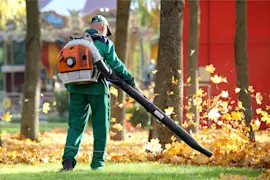
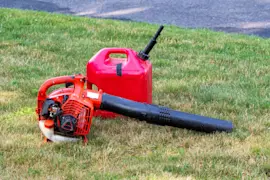
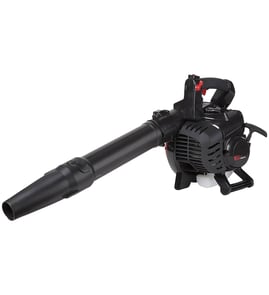
The “best” gas-powered leaf blower depends on how you’ll use it: handheld models are easier for quick cleanup, while backpack blowers deliver higher airflow for big yards. For Craftsman model 358794764, we focus on keeping your current blower running at peak power with the right maintenance and replacement parts.
Use these buying criteria to compare brands like Craftsman, STIHL, Husqvarna, and ECHO:
- Airflow (CFM): Higher CFM moves more leaves at once.
- Air speed (MPH): Higher MPH helps lift wet or stuck debris.
- Type: Handheld for lighter work; backpack for long sessions and large areas.
- Weight and vibration: Lower fatigue matters as much as raw power.
- Serviceability: Easy access to the air filter, fuel lines, and starter parts.
Even a powerful blower can feel weak if basic wear items are neglected. On the Craftsman 358794764, these parts commonly affect starting, throttle response, and blowing force:
- Clogged or damaged air filter (restricted airflow)
- Cracked fuel line (lean running, hard starting)
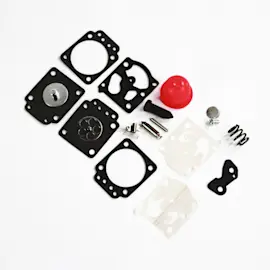
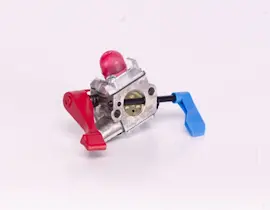
- Carburetor issues (surging, bogging, won’t idle)
- Weak ignition or switch problems (no spark symptoms)
- Starter wear (hard to pull, won’t rewind)
If you’re restoring performance, start with the basics: replace the leaf blower air filter 545146501 and inspect the fuel system.
| Feature | Handheld gas blower | Backpack gas blower |
|---|---|---|
| Best for | Driveways, decks, small yards | Large yards, heavy leaf season |
| Comfort | More arm fatigue | Better weight distribution |
| Typical power feel | Moderate | High |
| Storage | Easier | Bulkier |
A “best on the market” blower is the one that matches your yard size and stays reliable. Keeping your Craftsman 358794764 tuned (clean air intake, solid fuel delivery, dependable ignition) preserves CFM/MPH performance and reduces hard-start and bogging complaints.
Last updated: January 2026
What is the life expectancy of a gas leaf blower?
A gas leaf blower like Craftsman model 358794764 typically lasts about 7 to 10 years with normal homeowner use and basic maintenance. With consistent upkeep (clean air filter, fresh fuel mix, good fuel lines), many units reach 10+ years before major engine work is needed.
- Fuel quality and storage: old fuel and ethanol-related varnish shorten carburetor life.
- Air filtration: a clogged filter makes the engine run rich and lose power.
- Fuel line condition: cracked lines cause air leaks, hard starting, and lean running.
- Cooling airflow: debris buildup can overheat the engine.
- Usage pattern: long wide-open-throttle sessions wear faster than light seasonal use.
- Replace or clean the air filter regularly; use the correct leaf blower air filter 545146501.
- Inspect and replace brittle fuel lines; the ayp lawn & garden equipment fuel line, large 530069216 is a common wear item.
- Empty the tank before long storage, then run the engine briefly to reduce fuel left in the carburetor.
- Check the start/stop switch if the engine cuts out unexpectedly; consider the Craftsman, poulan leaf blower start/stop switch kit 545081830 if switching becomes intermittent.
- Keep the intake and cooling areas clear of leaves and dust.
| Symptom | Most common cause | Typical fix level |
|---|---|---|
| Hard starting after storage | Fuel varnish, air leak | Fuel service, fuel line replacement |
| Won’t stay running at idle | Carburetor wear, air leak | Carburetor service or replacement |
| Low power under load | Clogged filter, exhaust restriction | Tune-up and cleaning |
| Excessive vibration/noise | Impeller damage | Inspect/replace impeller |
A leaf blower’s engine can last many seasons, but small maintenance items (air filter, fuel line, switch) often determine whether it stays reliable or becomes a frequent no-start problem.
Last updated: January 2026
Are gas leaf blowers being phased out?
Gas leaf blowers are being restricted in many areas, but they are not universally “phased out” nationwide. For a Craftsman leaf blower like model 358794764, the practical impact depends on local noise and emissions rules, plus whether you can maintain the engine to run cleanly and reliably.
Most changes happen at the local level (city or county ordinances) and sometimes through state rules. Common approaches include:
- Bans on using gas-powered blowers during certain hours or seasons
- Noise limits (decibel caps) that effectively restrict some gas models
- Restrictions on commercial landscaping equipment
- Incentives or requirements to switch to battery-electric equipment
- Enforcement focused on complaints rather than routine checks
Use these quick checks before you buy parts or plan a repair:
- Search your city or county website for “leaf blower ordinance”
- Check HOA rules if you live in a managed community
- If you are a contractor, confirm commercial equipment rules
- Verify allowed hours of operation (often the biggest issue)
- Keep proof of model and engine type for reference
Even where gas blowers are allowed, a poorly running engine is louder and smokier. These maintenance items help most:
- Replace a dirty air filter (see leaf blower air filter 545146501)
- Inspect and replace cracked fuel lines (see ayp lawn & garden equipment fuel line, large 530069216)
- Use fresh, properly mixed fuel (2-cycle mix if your engine requires it)
- Clean debris from the intake and cooling areas
- Address hard-starting early (often fuel delivery or ignition)
| Feature | Gas leaf blower | Battery leaf blower |
|---|---|---|
| Runtime | Longer with refuel | Limited by battery capacity |
| Noise | Typically louder | Typically quieter |
| Maintenance | Higher (fuel, filters, carb) | Lower (battery care) |
| Power feel | Strong sustained output | Strong bursts, varies by pack |
Local restrictions can affect when you can use your Craftsman 358794764 and whether a repair is worth it versus switching tools. If gas use is still allowed where you live, basic upkeep (air filter and fuel system) keeps performance up and reduces smoke and rough running.
Last updated: January 2026
How to find Craftsman leaf blower model number?
Your Craftsman leaf blower’s model number is printed on a factory ID label; for model 358794764, that label is typically on the blower housing near the engine, handle area, or rear of the unit. Once you find it, match the full number exactly to order the correct parts.
Check these common label locations first:
- Side of the engine or motor casing (near the air filter cover)
- Rear of the blower housing
- Underside or back of the handle area
- Near the tube connection point (where the blower tube attaches)
- On the frame or housing close to the fuel tank
The ID tag is usually a small sticker or plate with printed numbers.
- Write down the full model number (example: 358794764)
- Also note any type, serial, or date codes if shown
- Take a clear photo before the label gets worn or dirty
| What you see on the label | What it means | What to do |
|---|---|---|
| Model number (ex: 358794764) | Identifies the exact Craftsman unit | Use it to match parts diagrams and parts |
| Serial/date code | Production tracking info | Keep for reference, not usually needed for parts |
| Partial or faded digits | Incomplete ID | Clean the area and re-check under bright light |
Craftsman blowers can look similar across multiple model series, but parts like the fuel line, air filter, and start/stop switch can vary by model. Using the exact model number helps prevent ordering a part that does not fit.
Use these practical workarounds:
- Clean the housing with mild soap and water; labels are often hidden under grime
- Look for an imprint outline where a sticker used to be
- Compare your worn parts to common replacements, such as the leaf blower air filter 545146501 or the Craftsman, poulan leaf blower start/stop switch kit 545081830, then confirm fit by model
Last updated: January 2026