Error Codes




Are all refrigerators 70 inches high?
No. Refrigerator height is not standardized at 70 inches; it varies by style and capacity. For an Ikea bottom-mount refrigerator like model IX7DDEXGZ001, many comparable units land near the upper-60s to low-70s inches, but you should always measure your opening and the refrigerator.
Typical refrigerator height ranges
Heights vary mainly by refrigerator type and whether it has adjustable feet/rollers.
- Compact and apartment-size models: often under 67 inches
- Top-freezer models: often 62 to 67 inches
- Bottom-mount and French door models: often 67 to 72 inches
- Built-in or specialty models: can be over 72 inches
How to measure so the refrigerator fits
Measure before you buy or replace parts that affect door swing and alignment.
- Measure the cabinet opening height (floor to underside of cabinet)
- Measure the refrigerator height including hinges and top cover
- Allow clearance for airflow above the unit (common target is about 1 inch)
- Confirm the floor is level; leveling legs can change final height slightly
- Check door swing clearance; a worn seal can make doors sit proud
Quick fit checklist
| What you measure | Why it matters | What to watch for |
|---|---|---|
| Opening height | Prevents binding under cabinets | Trim, soffits, low crown molding |
| Refrigerator height | Confirms actual unit size | Hinges and top cover add height |
| Leveling range | Fine-tunes fit and door closing | Uneven floors, rollers |
Why it matters
A refrigerator that is too tall can rub cabinets and restrict ventilation; one that is too short may leave gaps that look unfinished and can complicate leveling and door alignment.
Related DIY help
If you are also dealing with fit issues caused by water line routing or filter placement, follow how to replace the water filter in an Ikea refrigerator.
Last updated: January 2026
What is the bottom part of a refrigerator called?
On the Ikea bottom-mount refrigerator model IX7DDEXGZ001, the “bottom part” is most often called the machine compartment (or compressor compartment). It’s the area where the compressor and condenser system live, and it often sits above or near the drain pan at the very bottom.
What you’ll typically find at the bottom
Depending on the exact layout, the lower rear section commonly includes:
- Compressor (the pump that circulates refrigerant)
- Condenser coil (releases heat from the refrigerant)
- Condenser fan (moves air across the condenser on many models)
- Drain pan (catches defrost water so it can evaporate)
- Access cover or toe grille/kick plate (a panel that shields components)
If you’re troubleshooting cooling issues, the condenser system is a common place to start; for example, a restricted condenser can cause warm temperatures.
Related parts you may see referenced for this model
If you’re looking at parts diagrams or diagnosing a symptom, these are examples of components associated with the lower cooling system or airflow on IX7DDEXGZ001:
| Area | What it affects | Example part for this model |
|---|---|---|
| Sealed system protection | Moisture removal in refrigerant circuit | Drier tube WPW10143759 |
| Heat rejection | Cooling efficiency and run time | Refrigerator condenser WPW10346415 |
Why it matters
Knowing the correct name helps you find the right diagram section and parts faster. “Machine compartment” usually points you to cooling-system components (compressor, condenser, fan), while “toe grille” or “kick plate” points you to the exterior lower front cover.
Last updated: January 2026
What are the disadvantages of a bottom freezer refrigerator?
Bottom-freezer refrigerators like the Ikea IX7DDEXGZ001 make fresh-food access convenient, but the tradeoff is that frozen items sit lower and are usually stored in deep drawers; that can mean more bending, more digging for items, and sometimes higher purchase and repair costs than simpler top-freezer designs.
Common disadvantages to expect
- More bending and lifting: You typically squat or bend to reach frozen foods, especially bulky items.
- Drawer organization challenges: Stacked packages can hide items at the bottom.
- Heavier freezer access: Full freezer drawers can be heavy to pull out.
- Potentially higher upfront cost: Bottom-freezer designs often cost more than basic top-freezer models.
- More components to maintain: Some models include added features (ice maker, dispenser, controls) that can increase repair complexity.
How to reduce the downsides (practical tips)
- Use bins to group foods (meat, vegetables, breakfast items) so you can lift one bin instead of digging.
- Keep frequently used frozen items in the upper basket (if equipped).
- Avoid overpacking; airflow and visibility both improve.
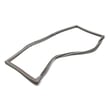
- If the door seal is loose or torn, fix it quickly to prevent frost and temperature swings; see how to fix a fridge door seal.
- If you use a water dispenser or ice maker, replace the filter on schedule; see how to replace the water filter in an Ikea refrigerator.
Bottom freezer vs top freezer (quick comparison)
| Feature | Bottom freezer | Top freezer |
|---|---|---|
| Fresh-food access | Easier (at eye level) | Requires more bending |
| Frozen-food access | More bending, drawer digging | Easier reach, shelf visibility |
| Organization | Deep drawers, can hide items | Shelves, usually easier to see |
| Typical cost/complexity | Higher | Lower |
Why it matters
If you rely heavily on frozen foods, have mobility limitations, or store heavy items (large bags, bulk meat), a bottom freezer can feel less convenient day to day. If you mainly use fresh foods, the refrigerator-at-eye-level layout is often worth it.
Last updated: January 2026
What is the life expectancy of a bottom freezer refrigerator?
A bottom-freezer (bottom-mount) refrigerator like the Ikea IX7DDEXGZ001 typically lasts 15 to 20 years. Keeping the condenser area clean, maintaining good door seals, and fixing cooling or water issues early helps you reach the high end of that range.
Typical lifespan (what to expect)
Most bottom-freezer refrigerators run longer than simpler designs because they are built for daily use, but they also have more components (ice maker, dispenser, fans, controls) that can need service over time.
- Typical life expectancy: 15 to 20 years
- Common “midlife” repairs: 7 to 12 years
- Best way to extend life: keep airflow and seals in good shape
| Refrigerator style | Typical lifespan | Notes |
|---|---|---|
| Top-freezer | 10 to 15 years | Fewer features, fewer parts to fail |
| Bottom-freezer (bottom-mount) | 15 to 20 years | More components; often worth repairing |
| Side-by-side | 15 to 20 years | Similar complexity to bottom-freezer |
What shortens lifespan fastest
These issues make the compressor and sealed system work harder, which is what usually ends a refrigerator’s service life.
- Dirty or blocked condenser airflow (overheating)
- Door gasket leaks that let warm air in (frost, long run times)
- Evaporator fan problems (poor airflow, warm sections)
- Water leaks that create ice buildup or corrosion
- Overloading outlets or frequent power interruptions
Maintenance that adds years
Use these habits to reduce run time, prevent frost, and protect food temperatures.
- Vacuum dust from vents and the condenser area every 6 to 12 months
- Keep doors closing squarely; avoid slamming and overstuffing bins
- Set stable temps (about 37°F fresh food, 0°F freezer)
- Replace the water filter on schedule if your model uses one
- Address puddles, frost, or unusual noises quickly
Helpful DIY guidance
Why it matters
A refrigerator that is running longer to hold temperature uses more electricity and is more likely to develop icing, warm spots, and food spoilage. Small fixes (like a door seal or airflow issue) often prevent bigger cooling-system wear.
Last updated: January 2026