Owner’s manual
 Error Codes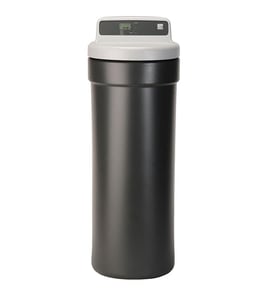




What is the life expectancy of a GE water softener?
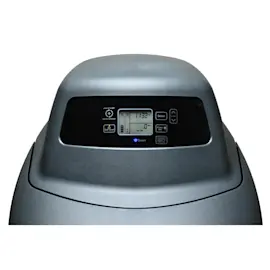
A GE water softener like model GXSF30V02 typically lasts 10 to 15 years. Actual life depends most on water quality (iron and chlorine), correct setup, and routine maintenance such as keeping salt in the brine tank and cleaning the resin bed as needed.
- Chlorine level: Resin can degrade faster when chlorine is above 2 ppm, which shortens softening performance.
- Iron in the water: High iron can foul the resin and valve components if it is not cleaned out regularly.
- Water pressure and flow: The system is designed for up to 125 psi inlet pressure and needs at least 3 GPM flow at the inlet.
- Maintenance habits: Regular salt use and periodic resin cleaning help prevent premature wear.
- Installation conditions: Plumbing configuration (such as backflow preventers) can require additional components to protect the system.
| What you’re seeing | What it usually means | What we recommend |
|---|---|---|
| Soft water comes and goes | Resin or valve performance is declining | Clean the system, then evaluate parts |
| Frequent regeneration, high salt use | Settings, resin condition, or valve issues | Verify hardness settings in the manual |
| Leaks at the valve area | Worn seals or internal valve wear | Inspect seals and valve components |
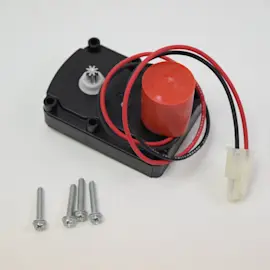
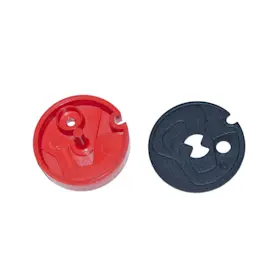
| Noisy or stuck regeneration | Drive/rotor components wearing | Check rotor and switch operation |
- Keep the brine tank supplied with the correct salt type recommended in the GXSF30V02 owner’s manual.
- If you have iron, clean the resin bed on a regular schedule (commonly every 6 months in high-iron conditions).
- If your water pressure runs high, use a pressure reducing valve to protect internal seals and the resin tank.
- Watch for early leak signs and address them quickly; small seal leaks often become bigger failures.
A water softener that is near the end of its 10 to 15 year lifespan can still run, but it often becomes less efficient (more salt, more regenerations, less consistent soft water). Staying ahead of resin and valve wear helps protect plumbing fixtures and improves water quality.
Last updated: January 2026
What water softeners do plumbers recommend?
Plumbers typically recommend water softeners that are correctly sized for the home, have a proven control valve, and are easy to service; for a GE setup like model GXSF30V02, that means focusing on proper installation location, correct salt type, and reliable regeneration performance per the GXSF30V02 owner's manual.
- Correct capacity for your hardness and household size (prevents frequent regenerations and salt waste).
- Demand-initiated regeneration (DIR) or similar metered control (regenerates based on water use).
- Service flow rate that matches peak demand (showers, laundry, dishwasher running together).
- Straightforward maintenance: cleaning the nozzle/venturi, checking seals, keeping the brine system clean.
- Parts availability for common wear items like seals, switches, and valve components.
Use this quick checklist before you pick a brand or model:
- Test your water hardness (and iron if present).
- Estimate daily water use (typical homes run 50 to 75 gallons per person per day).
- Confirm you have a nearby drain and a dry, grounded 120V outlet for the power supply.
- Plan to keep outside faucets on hard water to avoid wasting softened water and salt.
- Avoid locations with freezing temperatures or hot water exposure; do not run hot water through the softener.
| What plumbers prioritize | Why it matters | What to verify |
|---|---|---|
| Metered regeneration (DIR) | Less salt and water use | Control type and settings |
| Adequate service flow | Prevents pressure drop | Rated flow and plumbing size |
| Easy-to-service valve | Faster repairs, lower labor | Access to valve and common parts |
| Proper install location | Prevents damage and poor performance | Drain, power, temperature limits |
A “recommended” water softener is the one that delivers consistent soft water without wasting salt or causing pressure complaints. Even a top brand performs poorly if it is installed in the wrong spot, set up with the wrong hardness, or maintained with the wrong salt.
If you are comparing softeners because yours is showing a fault or not regenerating correctly, use our GE error codes reference to narrow the issue before replacing the whole unit.
Last updated: January 2026
How long does a 40 lb bag of water softener salt last?
On the GE GXSF30V02 water softener, a 40 lb bag of salt lasts about 4 to 8 weeks in most homes. Very hard water, high water use, or iron in the water can shorten that to about 3 to 4 weeks. Use the unit’s Days to Empty and salt level settings for the most accurate timing (see the GXSF30V02 owner’s manual).
Salt use depends on how often the softener regenerates and how much hardness it removes.
- Water hardness (GPG): harder water triggers more frequent regeneration
- Household size and water use: more gallons used means more salt consumed
- Iron content: increases maintenance needs and can reduce effective capacity
- Salt dose and efficiency settings: this model is efficiency rated at the minimum stated salt dose
- Salt bridging: crusting can prevent salt from dissolving even when the tank looks full
Many demand-initiated softeners average around 0.5 to 1.0 lb of salt per day.
| Average salt use | 40 lb bag lasts about | Common situation |
|---|---|---|
| 0.5 lb/day | 80 days (11 weeks) | smaller home, moderate hardness |
| 0.75 lb/day | 53 days (7 to 8 weeks) | average home |
| 1.0 lb/day | 40 days (5 to 6 weeks) | higher use or harder water |
| 1.5 lb/day | 27 days (about 4 weeks) | very hard water, high use |
The GXSF30V02 can take a couple of months to learn your water-usage pattern, so early Days to Empty readings can swing.
- Check salt when the blue indicator light flashes
- Add salt before the tank reaches the lowest level (salt may remain but not enough to fully recharge)
- Reset the salt level value each time you add salt
Keeping salt available and preventing bridging helps the softener regenerate correctly, protects plumbing from scale, and keeps water feeling soft.
Last updated: January 2026