 Installation guide
 Owner’s manual





What is the average life expectancy of a GE dishwasher?
Most GE dishwashers, including model GDT630PSM0SS, typically last 10 to 12 years with normal household use. Consistent cleaning, correct detergent use, and fixing small leaks or drain issues early are the biggest factors that help you reach (or beat) that average.
What affects lifespan the most
- Maintenance habits: cleaning the interior and keeping spray paths clear
- Water quality: hard water speeds up mineral buildup on internal parts
- Loading and detergent: overloading and excess detergent can reduce cleaning performance and strain components
- Heat and drying use: frequent heated dry cycles add wear to heating components
- Early repairs: addressing poor draining, leaks, or error codes prevents bigger failures
Maintenance checklist we recommend
Use these steps as a simple routine; details and cleaning guidance are in the GDT630PSM0SS owner's manual.
- Run a dishwasher cleaner or citric-acid cleaning cycle periodically to reduce film and odors
- Wipe the control panel with a lightly damp cloth, then dry
- Check that spray arms rotate freely and holes are not clogged
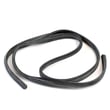
- Keep the door seal area clean to help prevent leaks
- Avoid blocking the detergent dispenser with large items
Common parts that wear over time
If performance drops, these are frequent wear items on this model family:
| Symptom | Common suspect | Example model-matched part |
|---|---|---|
| Not drying well | Heating circuit issue | Dishwasher heating element WD05X35098 |
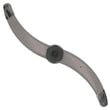
| Not cleaning well | Poor spray or wash circulation | Dishwasher spray arm, lower WD22X33499 |
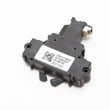
| Won’t start or stops mid-cycle | Door not latching | GE dishwasher door latch lock WD21X10490 |
Why it matters
Knowing the typical 10 to 12-year lifespan helps you decide whether to repair or replace. If your GDT630PSM0SS is under about 8 years old, repairs like a latch, spray arm, or heating element often restore performance and extend service life.
Last updated: February 2026
What are the commonly replaced parts in a dishwasher?
On the GE GDT630PSM0SS dishwasher, the most commonly replaced parts are the wash system items (spray arms, pumps, diverter), heat and drying components, and door sealing and latching parts. These typically fail from normal wear, mineral buildup, clogs, or leaks; routine cleaning helps reduce repeat failures.
Most common dishwasher parts that get replaced
- Spray arms and manifolds (clogged jets, cracked plastic, poor wash coverage)
- Drain components (slow drain, standing water, noisy pump)
- Circulation components (weak wash pressure, grinding noise)
- Heating and drying parts (poor drying, cool water, long cycles)
- Door latch and door seals (won’t start, leaks at the door)
- Controls and user interface parts (dead panel, unresponsive buttons)
Model-relevant examples for GDT630PSM0SS
These are frequently ordered replacements for this model when symptoms match:
| Symptom | Common suspect part | Example for this model |
|---|---|---|
| Dishes not getting clean | Spray arm clogged or damaged | Dishwasher spray arm, lower WD22X33499 |
| Won’t start or stops mid-cycle | Door latch not locking | GE dishwasher door latch lock WD21X10490 |
| Not draining | Drain hose kinked or pump issue | Dishwasher drain hose WD24X10062 |
| Poor drying | Heater issue or heavy mineral film | Dishwasher heating element WD05X35098 |
Quick checks before you buy a part
We recommend these fast checks first because they solve many “bad part” symptoms:
- Confirm the door is fully closed and latched; a weak latch can prevent starting.
- Verify the water valve under the sink is turned on.
- Clean the filters and check for debris that can restrict flow.
- Inspect spray arm holes for mineral buildup; clear blocked jets.
- If the control panel is locked, unlock it using the steps in the GDT630PSM0SS owner’s manual.
Why it matters
Dishwashers often show the same symptoms for different causes (for example, poor cleaning can be a clogged spray arm, a diverter issue, or a weak circulation pump). Matching the symptom to the right system (wash, drain, heat, or door) helps you replace the correct part the first time.
Last updated: February 2026
What is the most common problem with GE dishwashers?
The most common problems we see on GE dishwashers like model GDT630PSM0SS are not draining, not starting, and poor cleaning. In many cases, the fix is basic maintenance (filters, loading, detergent) or a simple part failure such as a door latch, drain pump, or spray arm.
Most common issues and what to check first
- Won’t start or stops mid-cycle: confirm the door closes and latches firmly; check for a tripped breaker and any wall switch that controls power.
- Not draining: look for a kinked or clogged drain path; inspect the drain hose routing and sink/disposer connection.
- Not cleaning well: make sure dishes are not blocking the spray arms; use automatic dishwasher detergent only.
- Suds in the tub: wrong detergent (hand dish soap) causes suds and poor wash performance.
- Hard water film or spots: use rinse aid and run a cleaner cycle as needed.
Quick troubleshooting for GDT630PSM0SS
Use this as a fast “most likely” checklist before replacing parts.
| Symptom | Most likely cause | Common next step |
|---|---|---|
| Dishwasher won’t run | Door not fully latched, control lock, power issue | Verify latch engagement; follow the start sequence in the GDT630PSM0SS owner’s manual |
| Water remains in tub | Drain restriction or weak drain pump | Check hose for kinks; consider drain pump asm WD19X24829 if draining is weak |
| Dishes dirty after cycle | Blocked spray, loading issue, low wash action | Clear spray arm holes; avoid blocking; consider dishwasher spray arm, lower WD22X33499 |
| Suds/overflow | Wrong detergent or rinse aid spill | Use only automatic dishwasher detergent; wipe spills; cancel/drain per manual |
Parts that commonly solve these problems
If basic checks do not help, these model-matched parts are frequent fixes:
- GE dishwasher door latch lock WD21X10490 for “won’t start” or intermittent stopping
- Dishwasher drain hose WD24X10062 for leaks or drain restrictions from cracks/kinks
- Dishwasher heating element WD05X35098 for poor drying and some wash performance complaints
- Dishwasher circulation pump WD26X23258 for weak wash action (poor cleaning)
Why it matters
Drain, latch, and wash-action problems can look like “the dishwasher is bad,” but they are often caused by a single restriction, loading issue, or a replaceable component. Following the correct detergent and loading guidance also prevents repeat failures like chronic suds and poor cleaning.
Last updated: February 2026
Can I replace dishwasher parts myself?
Yes. On the GE GDT630PSM0SS dishwasher, we can usually replace simple parts (like spray arms, racks, and some door hardware) with basic tools after shutting off power and water. For electrical, heating, or pump repairs, we recommend following the safety steps in the GDT630PSM0SS owner’s manual and using the GDT630PSM0SS installation guide as your reference.
What you can typically DIY vs. what to leave to a pro
Many repairs are realistic for a careful DIYer; the key is whether you must open wiring, water connections, or the sump area.
- Good DIY candidates: spray arms, rack parts, door handle, toe panel insulation
- Moderate DIY: door latch, drain hose, tub gasket (leak-related)
- Advanced DIY: circulation pump, drain pump, heating element, control board or user interface
- Stop and get help if: you see burnt wiring, repeated breaker trips, or standing water near electrical parts
Safety steps we follow before any repair
The manual and install guide both emphasize disconnecting power before maintenance and installation.
- Turn off power at the breaker (not just the control panel)
- Shut off the water supply valve under the sink
- Protect the floor; keep towels ready for hoses and sump work
- Take photos of wire and hose routing before removal
- Confirm the dishwasher can be pulled out for service without straining the cord or lines
Common parts customers replace on this model
If your symptom matches, these model-specific parts are common fixes:
| Symptom | Likely area | Example part for GDT630PSM0SS |
|---|---|---|
| Poor cleaning on lower rack | Wash coverage | Dishwasher spray arm, lower WD22X33499 |
| Door won’t latch or won’t start | Door switch/latch | GE dishwasher door latch lock WD21X10490 |
| Not drying well | Heating circuit | Dishwasher heating element WD05X35098 |
| Not draining | Drain path/pump | Dishwasher drain hose WD24X10062 or drain pump asm WD19X24829 |
Why it matters
DIY replacement can save time and service costs, but dishwashers combine water and electricity. Following the grounding, power-disconnect, and installation requirements in the documentation helps prevent leaks, shock risk, and repeat failures.
Last updated: February 2026





