

How do I program my GXL garage door opener?
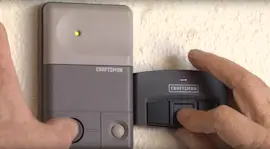
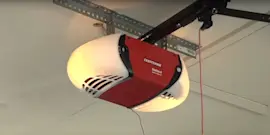
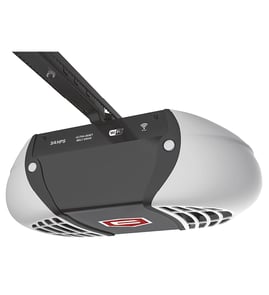
To program a remote to your Genie GXL garage door opener (model GXL), put the opener into Learn/Program mode, then press the remote button you want to use until the opener confirms it learned the code (typically a light flash or click).
- Make sure the opener has power and the door is fully closed.
- Find the Learn/Program button on the motor head (often under the light lens or a small cover).
- Press and release Learn/Program; the indicator light usually turns on or blinks.
- Within 30 seconds, press the remote button you want to control the door.
- If needed, press the same remote button a second time to confirm.
- Test the remote from inside the garage first.
Most vehicles use a two-part process: teach the vehicle using the handheld remote, then sync to the opener.
- Train the vehicle button using your handheld remote.
- Press and release the opener Learn/Program button.
- Press and hold the trained vehicle button until the opener confirms.
A visual walkthrough is in our how to program garage door opener remotes video.
- Replace the remote battery.
- Reposition and aim the remote toward the motor head.
- Remove or swap LED bulbs that can interfere with radio signals.
- If the opener light blinks in a repeating pattern, resolve the underlying fault first.
| What you see | What it usually means | What to do |
|---|---|---|
| Learn light never comes on | Not entering learn mode or no power | Verify power, press Learn again |
| Very short range after programming | Battery or light-bulb interference | Replace battery, change bulb |
| Repeating blink pattern | Opener fault condition | Check the code and correct it |
Correct programming prevents “dead remote” symptoms that are actually power, sensor, or travel issues. If you see blink codes, use Genie chain and belt-drive error codes to pinpoint the problem.
Last updated: February 2026
What does GXL mean?
On a Genie garage door opener, GXL is the model/series identifier used to match the correct parts and troubleshooting information for that opener. It is not the “Graph eXchange Language” term used in computer science; for this page, GXL simply identifies the Genie GXL SERIES opener.
Use Genie GXL as your starting point, then confirm the exact opener details (drive type, rail style, and control board) before ordering or replacing anything.
- Check the opener’s motor head label for the full model/series marking (GXL) and any additional identifiers.
- Identify the drive type (chain, belt, or screw drive); troubleshooting steps and parts differ.
- Note any blinking light patterns or diagnostic indicators.
- Inspect common wear items: safety sensors, wall control, wiring, and drive gear.
- If the door reverses or will not close, verify sensor alignment and clear the beam path.
| Where you see “GXL” | What it means | What to do next |
|---|---|---|
| Sears PartsDirect model page | Genie opener series/model family | Use it to narrow parts and DIY help |
| Opener label on motor unit | Series identifier for that unit | Confirm drive type and any extra numbers |
| Online tech/IT references | A graph data format acronym | Ignore for garage door opener repairs |
Using the correct model/series (GXL) prevents mismatched parts and speeds up troubleshooting, especially for issues like door not closing, remotes not working, or lights blinking.
For diagnostic light patterns and common fault conditions, use our Genie chain and belt-drive error codes or Genie screw-drive error codes resources.
Last updated: February 2026
What's the average lifespan of a Genie garage door opener?
Most Genie garage door openers, including the Genie GXL, last 10 to 15 years on average. With regular maintenance and a properly balanced garage door, many units run longer; heavy use, heat, and worn door hardware shorten opener life.
A garage door opener’s service life depends more on workload and door condition than the motor alone.
- Cycles per day: more open and close cycles wear gears, carriage parts, and electronics faster
- Door balance: a heavy or unbalanced door overloads the drive system
- Drive type (chain, belt, screw): each has different wear points (sprockets, belts, couplers)
- Environment: extreme temperatures and humidity stress circuit boards and lubricants
- Maintenance: lubrication and safety-sensor alignment prevent strain and nuisance stops
If you see several of these together, replacement becomes more practical than repeated repairs.
| Symptom | What it usually points to | What to check first |
|---|---|---|
| Door reverses or stops mid-travel | force/travel settings, binding door | door balance, track obstructions, force adjustment |
| Loud grinding or popping | worn gears/sprocket, carriage wear | inspect rail, drive components, mounting vibration |
| Remote range drops or becomes inconsistent | aging receiver, interference, weak remotes | batteries, antenna position, LED bulb interference |
| Lights blink with a pattern | stored fault or safety-sensor issue | sensor alignment, wiring, error code meaning |
We recommend doing these basics a few times per year.
- Test door balance (disconnect the trolley and lift the door by hand)
- Tighten mounting hardware and rail supports
- Lubricate door rollers and hinges (avoid getting lubricant on safety sensors)
- Clean and align photo-eye safety sensors
- Verify auto-reverse safety operation
For a step-by-step checklist, use how to maintain a garage door opener.
A worn opener can struggle to reverse properly or may stop unpredictably, which affects safety and can also damage the door, springs, and track. Keeping the door balanced and the sensors aligned reduces strain on the Genie GXL drive system.
Last updated: February 2026
Which is the most reliable garage door opener?
The most reliable garage door opener is the one that matches your door weight, uses a proven drive type (belt, chain, or screw), and is installed and maintained correctly. For most attached garages, a belt-drive opener from a major brand (including Genie) is the most consistently dependable and quiet.
Reliability usually comes down to fewer nuisance reversals, steady remote performance, and long-lasting drive components (belt/chain/screw, gears, and motor). It also includes safety sensor consistency and stable travel limits.
| Drive type | Typical reliability strengths | Typical tradeoffs | Best fit |
|---|---|---|---|
| Belt drive | Smooth operation, fewer vibration-related issues | Belt can wear over time | Attached garages, quiet priority |
| Chain drive | Rugged, widely supported | Noisier, more vibration | Detached garages, value priority |
| Screw drive | Fewer moving parts in the rail | Needs correct lubrication and alignment | Moderate climates, simple setups |
Use these checks before you buy or replace an opener (including for Genie GXL):
- Match horsepower/force rating to door size and material (steel insulated doors need more lift than light single doors).
- Confirm the door is balanced (it should stay at mid-travel when disconnected); an unbalanced door kills opener reliability.
- Prioritize safety sensors that stay aligned and protected from sun glare.
- Choose a drive type that fits your noise tolerance and garage location.
- Look for stable limit and force adjustment controls so the door stops and reverses consistently.
Many “unreliable opener” complaints are actually door or sensor issues:
- Door binds or sticks on the track (roller/hinge wear, track misalignment).
- Safety sensors misaligned or washed out by sunlight.
- Force settings too high or too low, causing reversals.
- Travel limits set incorrectly, causing the door to stop short or slam.
For troubleshooting patterns and diagnostic flashes on Genie units, use Genie chain and belt-drive error codes or Genie screw-drive error codes.
A correctly matched, properly adjusted opener protects the motor, gears, rail, and door hardware. That reduces breakdowns, prevents repeated reversals, and keeps your garage door system operating safely and smoothly.
Last updated: February 2026