Owner’s manual



What is the lifespan of a Samsung front load washer?
A Samsung front-load washer typically lasts 10 to 15 years. For your Samsung WF393BTPAWR, reaching the high end of that range mostly comes down to routine care (especially tub and door-seal cleaning) and avoiding chronic overloading; see the maintenance guidance in the WF393BTPAWR user manual.
What affects lifespan the most
These are the biggest factors we see that shorten or extend washer life:
- Load size and balance: consistently overfilling or washing single heavy items increases wear and vibration.
- Detergent choice: using HE detergent helps prevent oversudsing and residue buildup.
- Moisture control: leaving the door closed all the time can promote odor and mold around the door boot/bellow.
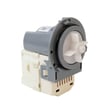
- Drain system care: cleaning the debris filter helps prevent drain pump strain and “won’t drain” problems.
- Installation and leveling: an unlevel washer can shake, walk, and wear suspension components faster.
Maintenance habits that help WF393BTPAWR last longer
Use these practical habits to reduce common failure causes:
- Run the washer’s Pure Cycle periodically (the manual recommends regular use).
- Wipe and dry the door seal/bellow after the last load of the day.
- Clean the debris filter if draining slows or you see a drain-related code.
- Use the correct amount of HE detergent (too much can cause excess suds and odor).
- Keep loads to about 3/4 full so the drum can tumble properly.
Quick lifespan expectations by component
| Component | Typical wear pattern | What you can do |
|---|---|---|
| Door boot/bellow | Mold, leaks, tears | Wipe dry, remove debris |
| Drain pump/filter system | Clogs, slow drain | Clean debris filter |
| Bearings/spider (drum support) | Noise, rough spin | Avoid chronic overloading |
| Inlet valves/hoses | Slow fill, leaks | Check screens, turn off faucets when away |
Why it matters
A front-load washer like the Samsung WF393BTPAWR is built for efficient cleaning, but it relies on good airflow and regular cleaning to prevent residue, odor, and drain issues. Those small habits often make the difference between replacing a washer at 8 to 10 years versus getting 12 to 15 years.
Last updated: January 2026
What is the most common problem with Samsung washing machines?
On the Samsung WF393BTPAWR washer, the issues customers most often need to troubleshoot are draining problems (water left in the tub or clothes still wet) and out-of-balance vibration during spin. The manual highlights these as common symptom areas to check first; see the WF393BTPAWR manual.
Common trouble areas on WF393BTPAWR
The WF393BTPAWR troubleshooting section focuses heavily on these symptoms and related checks:
- Won’t drain or won’t spin: drain hose kink/restriction, clogged debris filter, or a small clog detected while draining (often shown as the nd code)
- Vibrates or is too noisy: washer not level, load not balanced, shipping bolts not removed after installation
- Too many suds: using non-HE detergent or using too much detergent (often shown as SUdS)
- Door won’t open: door lock stays engaged when water is too hot, water level is too high, or during parts of certain cycles
Quick checks we recommend first
- Redistribute the load; very small loads can go out of balance.
- Confirm the washer is level on all four feet and not touching cabinets or walls.
- Clean the debris filter if draining is slow or the washer shows nd.
- Use HE detergent only; reduce the amount if you see excess suds.
- Run Pure Cycle periodically to reduce residue and odor.
Symptom-to-first-step guide
| Symptom | What to check first | Why it helps |
|---|---|---|
| Clothes still wet | Debris filter, drain hose routing | Restores proper draining and spin performance |
| Shaking on spin | Load balance, leveling feet | Reduces vibration and cycle interruptions |
| SUdS showing | Detergent type and amount | Excess suds can pause operation until suds drop |
| Musty odor | Door left closed, residue buildup | Moisture and residue feed odor and mildew |
Why it matters
Drain restrictions and out-of-balance spinning can stop a cycle early, leave clothes wet, and increase wear on the drain pump, motor, and suspension. Addressing the basic checks early often prevents repeat problems.
Last updated: January 2026
Does a Samsung washer have a filter that needs to be cleaned?
Yes. The Samsung WF393BTPAWR front-load washer has a debris (drain pump) filter that should be cleaned periodically to help the washer drain properly and to prevent odors, slow draining, and “nd” drain errors. See the steps in the WF393BTPAWR manual.
What filters this model has (and where)
On the WF393BTPAWR, the main user-cleanable filter is the debris filter behind the filter cover at the lower front of the washer. This filter catches lint, coins, hair pins, and other small items before they reach the drain pump.
You may also have small mesh inlet screens at the water valve connections (where the hot and cold fill hoses attach). Those screens can clog with sediment, but they are not the same as the debris filter.
How to clean the debris (drain pump) filter
We recommend following the exact procedure in the WF393BTPAWR manual. In general, the process looks like this:
- Unplug the washer.
- Open the lower filter cover.
- Pull out the drain tube and drain remaining water into a shallow pan.
- Unscrew the debris filter cap and remove the filter.
- Rinse the filter and remove trapped items; check that the pump area is not blocked.
- Reinstall the filter and cap, then reinstall the cover.
Quick “what to expect” table
| Step | What you’ll notice | Why it’s normal |
|---|---|---|
| Draining the tube | Water comes out before the filter is removed | The pump housing holds leftover water |
| Removing the filter | Lint, coins, buttons may be present | The filter is designed to catch debris |
| Reinstalling | Cap must tighten fully | Prevents leaks and helps proper draining |
When to clean it
Clean the debris filter:
- When the washer drains slowly
- If you see an “nd” drain-related code
- If you notice musty odors (especially with frequent cold washes)
- As routine maintenance (even if no symptoms)
For drain-related troubleshooting, we also recommend our Samsung front load washer nd error code guide.
Why it matters
A partially clogged debris filter restricts water flow to the drain pump. That can leave water in the tub, increase cycle time, cause odor buildup around the door seal, and eventually lead to draining problems.
Last updated: January 2026