Installation guide
 Owner’s manual

What is the most common problem with whirlpool dryers?
For the Whirlpool WED5300VW0 dryer, the most common real-world complaint we see is poor drying or no heat, and the #1 underlying cause is usually restricted airflow from lint buildup in the lint screen area or exhaust venting. Overheating from poor venting can also lead to a blown thermal fuse.
- Clean the lint screen before every load.
- Check airflow at the outside vent hood; you should feel a strong, steady blast of air.
- Make sure the vent is 4-inch heavy metal (not plastic or foil) and not crushed behind the dryer.
- Confirm the cycle and temperature settings match the load.
- Avoid overloading; heavy loads can trap moisture and extend dry time.
When airflow is restricted, heat-related safety parts can open to protect the dryer. If your dryer runs but won’t heat, these are common suspects:
| Symptom | Most likely area | Common related part for this model |
|---|---|---|
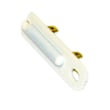
| Runs but no heat | Overheat protection opened | Dryer thermal fuse WP3392519 |
| Runs but heat cuts out | Heater safety circuit | Dryer thermal cut-off fuse kit 279816 |
| Drum won’t spin | Drive system | Belt 341241 |
| Won’t start when door closes | Door interlock | Dryer door switch WP3406107 |
Restricted venting makes the dryer run hotter and longer. That can:
- Blow a thermal fuse
- Trip a thermal cut-off
- Cause clothes to take multiple cycles
- Increase energy use
- Create new problems that look like “bad heat” even when the heater is fine
For model-specific venting rules (vent length, elbows, hood styles), follow the WED5300VW0 installation guide. For operating and troubleshooting steps, use the WED5300VW0 dryer user manual.
Last updated: January 2026
What is the average lifespan of a whirlpool dryer?
A Whirlpool dryer like model WED5300VW0 typically lasts 10 to 15 years with normal household use. With good airflow (proper venting), routine lint cleaning, and timely replacement of wear parts, it’s common for this dryer to reach the upper end of that range.
The biggest drivers of longevity are heat management, airflow, and mechanical wear. We recommend focusing on these basics from the WED5300VW0 use & care manual.
- Clean the lint screen before every load.
- Keep the exhaust vent clear and properly routed (short, straight, heavy metal venting).
- Avoid overloading; heavy loads strain the drum support system and drive belt.
- Use the correct cycle and temperature for the fabric.
- Address new noises, burning smells, or long dry times quickly.
These are the parts that most often determine whether a dryer is worth repairing as it ages.
| Component | What you may notice | Common next step |
|---|---|---|
| Drum drive system | Squealing, thumping, drum not turning | Inspect belt, rollers, idler |
| Heating and safety circuit | No heat, overheating, shuts off | Check thermal fuse, thermostats |
| Door/start circuit | Won’t start, stops when door moves | Check door switch, start switch |
If your drum stops turning or slips, the belt 341241 is a common wear item to inspect on this model.
A dryer that’s forced to run hot or run long (usually from restricted venting or lint buildup) wears out faster and can also cause repeated failures of heat-related safety parts. Keeping airflow strong is the simplest way to extend the life of your WED5300VW0.
Last updated: January 2026
Is a 7.4 cu ft dryer big?
Yes. A 7.4 cu. ft. dryer is considered a large-capacity dryer. For your Whirlpool WED5300VW0, the exact drum capacity is not identified in the model-specific information we have here, but 7.4 cu. ft. is generally sized for bulky items and fewer loads overall. See the WED5300VW0 use & care manual for cycle and loading guidance.
A 7.4 cu. ft. drum typically gives you more tumbling room, which helps airflow and can improve drying results when you avoid overloading.
Common loads that usually fit well in a large-capacity dryer:
- King or queen comforters (depending on fill and fabric)
- Large towel loads
- Mixed family laundry loads
- Bulky hoodies, blankets, and bedding
| Dryer capacity | Common label | Best for |
|---|---|---|
| 5.0 to 6.0 cu. ft. | Standard | Smaller households, lighter loads |
| 6.1 to 7.0 cu. ft. | Large | Regular family loads |
| 7.1 cu. ft. and up | Large to extra-large | Bulky items, fewer loads |
Even a big dryer can take a long time if airflow is restricted or the load is packed too tightly.
- Clean the lint screen before every load
- Load loosely; do not pack the drum
- Use the correct cycle (Auto/sensor cycles for most loads)
- Use a 4-inch heavy metal vent and keep the vent run as straight as possible
- Clean the exhaust vent periodically (at least every 2 years)
Choosing the right capacity helps prevent overdrying, reduces cycle time, and makes it easier to dry bulky items without stopping mid-cycle to rearrange the load. Proper venting and loading matter just as much as drum size for real-world performance.
Last updated: January 2026