 Installation guide
 Owner’s manual
 Error Codes



How to reset Frigidaire dishwasher error code?
On a Frigidaire PLDB998CC0 dishwasher, the most reliable way to clear many error conditions is to cancel the current cycle using the START/CANCEL pad so the unit drains, then restart a fresh cycle. If the code returns, fix the underlying issue (drain, fill, door latch) before resetting again using the steps in the PLDB998CC0 owner's manual.
Quick reset steps (PLDB998CC0)
- Press START/CANCEL once to cancel the cycle.
- Let the dishwasher complete the about 90-second drain.
- Select your desired cycle and options.
- Press START/CANCEL again to start.
- Confirm the door closes fully and latches.
If the error comes back right away
Many “reset” attempts fail because the dishwasher is still detecting the same problem. Check these common causes first:
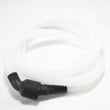
- Not draining: Clean the filter area and check for a kinked or clogged drain line; replace the drain hose if it is damaged (see hose 807117001).
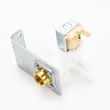
- Not filling: Make sure the water supply valve is open and the inlet screen is not blocked; a failing inlet valve can also cause fill errors (see valve 154637401).
- Door not latching: If the door is not closing tightly, the dishwasher may stop and show an error; inspect the latch and strike alignment.
- Leak/overfill symptoms: Look for water at the bottom of the tub or under the unit; inspect door seals and gaskets.
What “cancel” vs “power reset” does
| Reset method | What it does | Best used when |
|---|---|---|
| START/CANCEL cycle cancel | Stops the cycle and drains the tub | Most error codes during a cycle |
| Power reset (breaker off, then on) | Reboots the control | Control is unresponsive or stuck |
Why it matters
Resetting clears the symptom, but the dishwasher will keep showing the code until the root cause is corrected. Addressing drain, fill, and door-latch issues first prevents repeat shutdowns and helps protect the pump, heater, and wiring.
Last updated: January 2026
What does i30 mean on a dishwasher?
On a Frigidaire dishwasher like model PLDB998CC0, the i30 code means the dishwasher has detected water in the bottom leak pan (base) and has triggered the anti-flood protection. The unit may stop the cycle and run the drain pump to help prevent overflow.
What to do right away
- Press Start/Cancel to stop the cycle.
- Turn off power at the breaker before checking anything underneath.
- Shut off the water supply valve to the dishwasher.
- If safe to do so, pull the dishwasher out slightly and look for water in the base pan.
- Dry the base pan and recheck for active leaking during the next short test run.
Common causes of an i30 leak-pan condition
Most i30 events come from a real leak, not a “bad code.” Focus on where water could escape during fill, wash, or drain.
| When it leaks | What to inspect | Parts often involved |
|---|---|---|
| During fill | Water inlet connection and valve area | Valve 154637401 |
| During wash | Door sealing surfaces and lower door edge | Gasket 809006501 |
| During drain | Drain hose routing, clamps, and sink/disposer connection | Hose 807117001 |
Why it matters
When water collects in the base, the float or sensor there can activate flood protection. That helps prevent water damage, but it also means the dishwasher will not run normally until the leak is corrected and the base is dry.
Model-specific tips for PLDB998CC0
- Use the PLDB998CC0 owner’s manual to identify control behavior and any status-window messages that may appear during a stop or drain.
- Use the PLDB998CC0 installation guide to confirm proper drain and water-line routing; poor routing or a kinked supply line can contribute to leaks.
Last updated: January 2026
What is the most common problem with a Frigidaire dishwasher?
The most common problem we see with Frigidaire dishwashers like model PLDB998CC0 is a drain-related issue (water left in the tub) caused by a kinked drain hose, a disposer knockout plug not removed, or a blockage in the drain path. Door-latch issues that prevent starting are also common.
Most common symptoms and what they usually point to
- Water left in the bottom: drain hose kink, disposer connection issue, or drain restriction
- Won’t start: door not fully closed and latched, cycle not set correctly, delay start selected
- Not filling: water supply off, overfill protector (float) not moving freely
- Long cycle times: water-heating delay, sanitize option, delay start
- Poor cleaning: low water temperature, blocked spray arms, loading issues
Quick checks you can do first (PLDB998CC0)
Start with the items the manual calls out as common causes:
- Confirm the cycle is selected correctly and the dishwasher is not paused
- Make sure the door is fully closed and latched
- If it is connected to a food waste disposer, make sure the disposer is empty
- Verify the disposer inlet knockout plug was removed
- Inspect the drain hose for kinks and routing problems
- Confirm the water supply is turned on
For the full Frigidaire troubleshooting list and operating steps, use the PLDB998CC0 owner’s manual.
Parts that commonly solve “won’t drain” or “won’t start” complaints
If the basic checks do not fix it, these model-matched parts are frequent culprits:
| Problem | Common part to inspect/replace | What it affects |
|---|---|---|
| Not draining | Hose 807117001 | Drain path from dishwasher to disposer or drain line |
| Leaks at the door | Gasket 809006501 | Seals the lower door edge to prevent water escaping |
| Won’t fill or fills slowly | Valve 154637401 | Controls incoming water to the dishwasher |
Why it matters
Drain and latch problems can stop a cycle early, leave dirty water in the tub, and create odor. Fixing the drain path and confirming proper latching restores normal wash performance and helps prevent repeat clogs.
Last updated: January 2026
How many amps does a Frigidaire dishwasher draw?
For the Frigidaire PLDB998CC0 dishwasher, we recommend a dedicated 120V, 60 Hz circuit rated for 15 amps; use a 20-amp fuse/breaker when the dishwasher is connected with a food waste disposer. Actual running current varies by cycle and what components are on (heater, motor).
What to expect for PLDB998CC0
Most of the time, a dishwasher draws less than the circuit rating, but the circuit must be sized to safely handle peak loads.
- Supply required: 120V AC, 60 Hz
- Circuit: separate (dedicated) circuit
- Overcurrent protection: 15A minimum; 20A when connected with a disposer
- Grounding: the dishwasher must be electrically grounded
- Do not share the circuit with other high-draw kitchen loads when possible
For the exact electrical requirements and installation notes, follow the PLDB998CC0 installation guide.
Quick reference table
| Installation setup | Recommended circuit protection | Why |
|---|---|---|
| Dishwasher only | 15 amps | Meets the specified minimum circuit rating |
| Dishwasher connected with food waste disposer | 20 amps (not more than 20 amps) | Handles higher combined load |
Why it matters
Correct amperage and a dedicated circuit help prevent nuisance breaker trips, overheating at the junction box, and intermittent “won’t start” symptoms that can look like a control problem.
Related troubleshooting (if it has power but will not run)
- Confirm the door fully latches and the cycle is started correctly
- Check the breaker and any GFCI outlet feeding the dishwasher
- Make sure the unit is not in a display or demo setting
- Inspect wiring connections at the dishwasher junction box (power off first)
- If the dishwasher fills but stops, the heater or motor load can expose a weak breaker
If you are diagnosing a no-run condition, use our dishwasher wont start video for step-by-step checks.
Last updated: January 2026





