 Owner’s manual




What is the average lifespan of a Bosch washing machine?
Most Bosch washing machines, including the Bosch WFVC6450UC front-load washer, typically last 10 to 15 years with normal household use. Regular cleaning, correct loading, and fixing small leaks or vibration issues early helps you reach the high end of that range.
Typical lifespan and what affects it
A washer’s service life depends more on use and care than the brand name alone.
- Loads per week: more cycles equals more wear on bearings, seals, and suspension
- Overloading: strains the drive system and increases vibration
- Detergent use: too much detergent can cause residue, odors, and drainage issues
- Water quality: hard water can speed up scale buildup in valves and hoses
- Maintenance habits: cleaning the door seal area and pump filter reduces problems
Quick maintenance checklist (front-load washers)
Use these habits to extend the life of your WFVC6450UC:
- Wipe the door boot area dry after laundry day
- Leave the door slightly open between loads to reduce moisture and odor
- Run a monthly cleaning cycle (or hot cycle) as described in the owner's manual
- Check inlet hoses for bulges, cracking, or seepage
- Level the washer to reduce shaking and tub wear
Common wear items vs. “end of life”
Many “old washer” symptoms are caused by a single replaceable part.
| Symptom | Often related to | Example part on this model page |
|---|---|---|
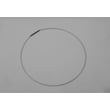
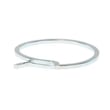
| Leaks at the door | Door boot or clamp not sealing | Washer door boot spring clamp 00648264 |
| Excessive vibration or walking | Leveling or installation issues | Washer leveling leg 00610643 |
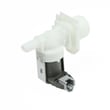
| Slow fill or fill errors | Inlet valve or supply restriction | Washer cold water inlet valve 00422244 |
Why it matters
Knowing the 10 to 15 year average helps you decide whether to maintain and repair (common for leaks, fill issues, and vibration) or plan a replacement when multiple major components start failing close together.
Last updated: February 2026
What is the capacity of the Bosch WFVC6450UC washing machine?
The Bosch WFVC6450UC washer is a front-load machine; its capacity is typically listed by Bosch as a drum volume (cubic feet) rather than kilograms. For the exact capacity rating used for your WFVC6450UC, check the specifications section in the WFVC6450UC owner's manual.
What you will usually see for capacity on this model type
Bosch front-load washers like the WFVC6450UC commonly show capacity in one of these ways:
- Cubic feet (cu ft): most common in the U.S.
- Drum volume (liters): sometimes used in technical specs
- Load rating (kg): more common on international listings
How to confirm the correct number (fast)
Use these checks so you match the right spec to your exact model/version:
- Look for the model and index on the rating label (often inside the door opening).
- In the manual, find “Technical data” or “Specifications.”
- If you see multiple capacities, use the one tied to WFVC6450UC (not a similar Bosch Nexxt model).
- Avoid relying on marketplace listings that may mix models or regions.
Capacity units: quick comparison
| How it is shown | What it means | Best for |
|---|---|---|
| Cubic feet | U.S. capacity rating | Comparing to other U.S. washers |
| Liters | Drum volume | Technical reference |
| Kilograms | Approximate dry laundry weight | International comparisons |
Why it matters
Using the correct capacity helps prevent overloading, improves spin performance, and reduces wear on parts like the door boot and clamps. If you are seeing leaks or vibration after heavy loads, inspect the door seal area and related clamps such as the washer door boot spring clamp 00648264.
Last updated: February 2026
Is the Bosch WFVC6450UC washing machine any good?
Yes. The Bosch WFVC6450UC is a solid front-load washer known for strong cleaning performance, efficient water and energy use, and relatively quiet operation for a compact-style design. For the best results, use the cycle and detergent guidance in the WFVC6450UC owner's manual.
What “any good” usually means for this washer
Most owners judge a washer on cleaning, noise, reliability, and day-to-day convenience. Here’s what typically stands out with Bosch front-load designs like the WFVC6450UC:
- Cleans well with less water than many top-load designs
- High-speed spin helps reduce dryer time
- Quieter operation than many older washers when properly leveled
- Good fabric care because tumbling is gentler than an agitator
- Space-friendly footprint (common for Bosch compact front-load models)
Quick checklist to get the best performance
If your WFVC6450UC is not meeting expectations, these setup and use items make the biggest difference:
- Level the washer on a solid floor; replace a worn foot with the washer leveling leg 00610643
- Use HE detergent and avoid overdosing (too much soap causes residue and odors)
- Do not overload; leave room for items to tumble
- Run periodic cleaning cycles and wipe the door seal dry after use
- Check the door boot area for debris; a loose clamp can cause leaks (see washer door boot spring clamp 00648264)
Common pros and tradeoffs (at a glance)
| Area | What you’ll likely like | What to plan for |
|---|---|---|
| Cleaning | Strong stain removal with proper cycles | Needs correct loading and HE detergent |
| Noise/vibration | Typically quiet when leveled | Can vibrate if unlevel or overloaded |
| Efficiency | Lower water use; fast spin | Cycles can feel longer than basic top-load cycles |
| Maintenance | Good long-term performance with routine care | Door seal area needs regular wipe-down |
Why it matters
A front-load washer like the Bosch WFVC6450UC performs best when it is correctly installed, leveled, and used with the right detergent amount. Those basics prevent the most common complaints: vibration, odors, and minor leaks.
Last updated: February 2026


