Owner’s manual
 Error Codes


What size is Kenmore refrigerator model 79571604013?
Kenmore refrigerator model 79571604013 is a bottom-freezer style in the 795.7160* model family. The exact exterior dimensions (width, depth, height) are listed in the 79571604013 owner's manual; this guide covers multiple versions, so we recommend matching the dimensions to your exact configuration.
What “size” can mean (and what to check)
When customers ask for “size,” it usually refers to one of these:
- Overall capacity (cu. ft.): how much food it holds
- Exterior dimensions (W x D x H): whether it fits your opening
- Clearance needs: space for doors to swing and airflow behind the unit
- Door style: bottom freezer with upper refrigerator doors
Quick fit checklist before you measure
Use a tape measure and confirm these common fit points:
- Measure the opening width at the front and back
- Measure height to the cabinet (and note any trim)
- Measure depth from the back wall to the front edge of counters
- Allow room for door swing and drawer pull-out
- Plan for rear clearance (more is needed if you use an extension cord)
Typical size range for this style (helpful planning)
Most Kenmore bottom-freezer refrigerators in this class are approximately:
| Measurement | Typical range |
|---|---|
| Width | 30 to 36 inches |
| Height | 66 to 70 inches |
| Depth (cabinet) | 29 to 34 inches |
Why it matters
Getting the correct dimensions prevents installation problems like doors hitting cabinets, poor airflow that can affect cooling, and difficulty removing drawers or bins for cleaning.
If you are also trying to confirm internal storage layout (bins, crisper, Glide’N’Serve, ice bin), the parts and features section in the 79571604013 owner's manual is the best reference.
Last updated: January 2026
Why is there ice on the bottom of my freezer side by side?
Ice building up on the freezer floor is almost always caused by a clogged or frozen defrost drain; defrost water can’t flow to the drain pan, so it refreezes at the bottom. On Kenmore refrigerator model 79571604013, start by safely thawing the drain area and flushing the drain to restore normal drainage (see the 79571604013 owner's manual).
Most common causes
- Defrost drain hole or drain tube clogged with ice, food debris, or sludge
- Freezer door left slightly open, letting humid air in and creating excess frost
- Door gasket not sealing, causing repeated frost buildup and meltwater overflow
- Items in the freezer blocking the drain trough or airflow
- Freezer temperature set too warm, increasing melt and refreeze cycles
What to do (safe, effective steps)
- Unplug the refrigerator before working in the freezer.
- Remove the freezer drawer/bins so you can access the bottom area.
- Melt the ice on the freezer floor using warm towels or a hair dryer on low (keep heat moving; don’t overheat plastic).
- Find the drain opening under/behind the rear freezer panel area and clear visible debris.
- Flush the drain with hot water. A common method is mixing 1 teaspoon baking soda in 2 cups hot water and slowly pouring it into the drain to help break down residue.
- Reassemble, restore power, and monitor for new ice over the next 24 to 48 hours.
Quick checks that prevent it from coming back
- Confirm the freezer door closes fully and isn’t hitting baskets or packages.
- Clean the gasket sealing surfaces; the manual notes gaskets can stick and should be cleaned.
- Reduce door openings; warm, humid air entering the freezer leads to frost.
Symptoms and what they usually mean
| What you see | Most likely cause | Best first fix |
|---|---|---|
| Solid sheet of ice on freezer floor | Defrost drain frozen/clogged | Thaw and flush drain |
| Frost on food and walls | Door not sealing or frequent openings | Check gasket, reduce openings |
| Water/ice returns in a few days | Drain tube still restricted | Repeat flush; clear deeper blockage |
Why it matters
When the defrost drain can’t carry water away, ice buildup can block drawers, reduce airflow, and cause temperature swings that affect food quality and ice maker performance.
Last updated: January 2026
How to tell if a Kenmore refrigerator compressor is bad?
On Kenmore refrigerator model 79571604013, a “bad compressor” usually shows up as poor cooling with long run times or abnormal compressor behavior (overheating, repeated clicking, or tripping the breaker). Because this model is designed to run efficiently, longer run times alone can still be normal; confirm cooling performance and symptoms first using the 79571604013 owner's manual.
Quick signs the compressor is actually failing
- Fresh food section stays warm even with correct temperature settings
- Freezer temperature rises and food softens
- Repeated clicking as the unit tries to start (start device overload cycling)
- Compressor is extremely hot and then shuts off
- House breaker trips when the refrigerator tries to start
Rule out normal operation first (common on this model)
Your 79571604013 can run longer than older refrigerators and still be operating normally. Use these checks before assuming the compressor is bad:
- Room temperature is high: run time increases in warm kitchens
- Doors opened often or large food load added: the unit runs longer to pull temps back down
- Normal operating sounds: gurgling, fan noise, and occasional clicking can be normal cooling-system operation
Normal vs. problem symptoms
| What you notice | Often normal | More likely a problem |
|---|---|---|
| Compressor runs a lot | Yes, especially in warm rooms or after loading groceries | If temps never reach safe levels |
| Clicking sounds | Sometimes (control switching) | Repeated clicking with no cooling |
| Warm cabinet sides | Sometimes | Compressor too hot to stay running |
What we recommend you do next
- Verify temperatures with a thermometer (target about 37°F fresh food and 0°F freezer).
- Listen for the pattern: steady run with cooling is different than repeated start-click-stop.
- Check condenser airflow: clean dust from the condenser area and confirm the unit has breathing room.
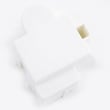
- If the compressor won’t start or keeps clicking, inspect the start components; on this model, the refrigerator compressor overload protector 6750CL0001D is one common part involved in start failures.
Why it matters
A compressor diagnosis affects cost and repair approach. Many “compressor” complaints are actually airflow, dirty condenser coils, door seal leaks, or normal long run time behavior. Confirming temperatures and the start-click pattern prevents replacing expensive parts unnecessarily.
Last updated: January 2026