Installation guide
 Owner’s manual
 Error Codes


What is the average lifespan of a whirlpool dishwasher?
Most Whirlpool dishwashers, including model WDT970SAHW0, typically last 10 to 12 years with normal household use and basic maintenance. Lifespan depends most on water quality, how often you run cycles, and keeping the filtration and seals clean per the owner's manual.
What affects dishwasher lifespan the most
We see these factors make the biggest difference in how long a Whirlpool dishwasher runs reliably:
- Water hardness and mineral buildup (can reduce cleaning and strain pumps and the heating system)
- How often you run it (once daily vs. occasional use)
- Filter and sump cleanliness (food debris left behind increases wear)
- Drying habits (using rinse aid helps drying and reduces deposits)
- Door sealing and alignment (leaks can damage surrounding components)
Maintenance habits that help you reach 10 to 12 years
The WDT970SAHW0 is designed for efficient cleaning, and the manual notes that rinse aid is important for drying and controlling hard-water deposits. Use these habits to extend service life:
- Clean the filter area regularly and remove trapped debris
- Use rinse aid consistently for better drying and fewer mineral deposits
- Run periodic cleaning cycles (follow the cleaning guidance in the manual)
- Avoid overloading; keep spray paths clear so the pump is not overworked
- Check for small leaks early (especially around the door seal)
Common “wear” items vs. major repairs
Some parts wear out sooner than the dishwasher itself. Here is a practical way to think about it:
| Category | Examples | What you usually notice |
|---|---|---|
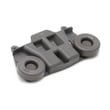
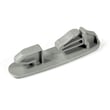
| Wear items | Rack hardware, wheels, seals | Racks sag, rough rolling, small leaks |
| Performance parts | Drain pump, inlet valve, heating element | Not draining, not filling, poor drying |
| Major assemblies | Sump and motor assembly | Loud operation, poor wash pressure |
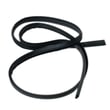
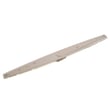
If you are seeing leaks at the door, replacing the door seal is a common first step; the dishwasher door seal W11177741 is a model-matched option for WDT970SAHW0.
Why it matters
A dishwasher that is nearing end-of-life often shows up as longer cycles, poor drying, or draining issues. Your installation guide also notes that newer, energy-efficient dishwashers can average 2 to 5 hours per load, so longer cycle time alone is not a failure sign. Use the manual’s care steps to separate “normal operation” from a true performance problem.
Last updated: February 2026
Is the WDT970SAHW0 a good dishwasher?
Yes. The Whirlpool WDT970SAHW0 is a solid, energy-efficient dishwasher when it’s installed correctly and used as designed; expect longer cycle times (often 2 to 5 hours) and plan to use rinse aid for the best drying performance. See the WDT970SAHW0 owner's manual for cycle and feature details.
What “good” looks like on this model
A “good” experience with the WDT970SAHW0 usually means it consistently cleans well, runs reliably, and fits your routine.
- Cleans best when you load so spray arms can rotate freely
- Runs longer cycles to reduce water and energy use
- Dries better with rinse aid (especially plastics)
- Performs more consistently when filters and the tub are kept clean
- Avoids start issues when the door is closed promptly after pressing Start/Resume
What to expect day to day
Energy-efficient dishwashers like this Whirlpool commonly trade speed for efficiency.
| What you notice | What it typically means | What to do |
|---|---|---|
| Cycles feel “long” | Normal operation for newer efficient designs | Choose options carefully; some options add time |
| Plastics still damp | Rinse aid and airflow matter most | Use rinse aid; use heated dry options if available |
| Start/Resume light flashes | Door was not closed quickly enough | Close the door within about 3 seconds after pressing Start/Resume |
| Spots or film | Hard water and low rinse aid | Keep rinse aid filled; run periodic cleaning cycles |
Quick setup and care tips that improve results
These steps make a bigger difference than most people expect:
- Keep rinse aid filled for better drying and fewer deposits
- Run a cleaning cycle periodically (for example, with white vinegar in a cup on the bottom rack using an energy-saving dry option)
- Clean the drain air gap (if your installation has one) when draining slows
- Use quality detergent packs/tablets and avoid overfilling
- If you won’t use the dishwasher for an extended time, shut off water and power to reduce risk of leaks
Why it matters
This model is designed around low energy and water use; that design improves efficiency but can increase cycle time and makes rinse aid and proper loading more important for drying and overall performance.
Last updated: February 2026
What's the most common problem with a whirlpool dishwasher?
For the Whirlpool WDT970SAHW0 dishwasher, the most common day-to-day problem we see is the dishwasher not running or not finishing a cycle because the door is not fully closed and latched (often shown by a blinking Start/Resume light). Drain problems (not draining well) are also very common.
Quick checks that fix the most calls
Start with these simple, high-success steps from the owner's manual:
- Close the door firmly and make sure it latches.
- If the Start/Resume light is blinking, press Start/Resume and close the door within 4 seconds.
- Make sure tall items are not preventing the door from closing (re-load if needed).
- If you canceled a cycle, close the door and let the 2-minute drain finish (if it runs).
- If the controls seem unresponsive, “wake” them by opening and closing the door before selecting a cycle.
If the problem is “not draining”
A dishwasher that won’t drain is usually a restriction (air gap, hose routing, or pump area) or a failed drain pump.
Most likely causes
- Clogged drain air gap (if your setup has one)
- Kinked, crushed, or restricted drain hose
- Drain pump not running or jammed
Parts that commonly apply to draining issues (WDT970SAHW0)
| Symptom | What to inspect | Related part on this model |
|---|---|---|
| Water left in tub | Drain pump operation and obstructions | Dishwasher drain pump W10876537 |
| Slow drain or backflow | Hose routing, kinks, clogs | Dishwasher drain hose 8269144A or dishwasher drain hose WPW10545278 |
If the problem is “leaking”
Leaks are often caused by a worn seal or a door that is not closing evenly.
- Inspect the perimeter door seal for tears, flattening, or debris.
- Check the lower door seal area for damage or gaps.
- Confirm racks are not pushing the door inward and breaking the seal.
Common seal parts for this model:
Why it matters
Door-latch and drain issues can look like “the dishwasher is broken,” but they often come down to loading interference, a missed Start/Resume step, or a drain restriction. Fixing the root cause prevents repeat stoppages, standing water, odors, and leaks.
Last updated: February 2026