Error Codes



Where to find part number on GE dryer?
On your GE DBXR453GT2WW gas dryer, the model and serial tag (where you will find the model number and often the serial number) is typically located on the door opening, either on the inside of the dryer door or on the front door frame. Use that model number to match the correct replacement parts.
What to look for on the tag
The tag is usually a sticker or metal plate. When you find it, capture these details:
- Model number (for this dryer: DBXR453GT2WW)
- Serial number (helps confirm production run and compatible revisions)
- Brand (GE)
- Sometimes a manufacturing date or code
How to use that information to get the right part
Once you have the model number, you can confirm the exact part you need by matching the part name and part ID.
| What you have | What it’s used for | Example for this model |
|---|---|---|
| Model number | Ensures parts fit DBXR453GT2WW | DBXR453GT2WW |
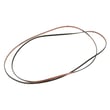
| Part name | Identifies the component | Drive belt |
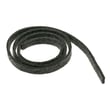
| Part ID | Ensures you order the exact item | Drive belt WE03X29897 |
If the tag is missing or unreadable
If the sticker is worn off or painted over, these steps usually get you unstuck:
- Check the inside edge of the door and the front door frame with a flashlight
- Look for a second label on the rear panel near the gas line entry
- Take a clear photo and zoom in; faint print often shows up better
- If you are troubleshooting instead of replacing a part, use our GE dryer diagnostics resources such as GE cleanspeak dryer error codes
Why it matters
GE dryers can look similar across model series, but parts like the drive belt, door switch, igniter, and thermostat can vary by model and revision. Using the DBXR453GT2WW tag information prevents ordering the wrong GE dryer parts and avoids repeat repairs.
Last updated: February 2026
What is the life expectancy of a GE dryer?
A GE dryer like model DBXR453GT2WW typically lasts 10 to 13 years with normal household use. Regular airflow maintenance (lint screen and venting) and prompt repair of wear items can push service life toward the upper end of that range.
Typical lifespan and what changes it
Most dryer longevity comes down to heat and airflow (for a gas dryer, also burner performance). These factors have the biggest impact:
- Loads per week (heavy use shortens life)
- Vent restriction (overheats components and increases run time)
- Lint buildup inside the cabinet and blower housing
- Drum support wear (glides, felt, bearings)
- Drive system wear (belt, idler, motor)
Maintenance that extends dryer life
Use this simple routine to keep your GE DBXR453GT2WW running efficiently:
- Clean the lint screen every load
- Check the outside vent hood for strong airflow while running
- Clean the full vent duct at least once a year (more often with long runs)
- Avoid overloading; it strains the drive belt and motor
- Stop using the dryer if you hear squealing or thumping; inspect drum supports
Parts that commonly wear first (and what they affect)
| Symptom | Common wear area | Example part for DBXR453GT2WW |
|---|---|---|
| Drum not turning, burning rubber smell | Belt/drive | Drive belt WE03X29897 |
| Squealing, scraping, or rough drum movement | Drum glides/felt | Dryer drum glide bearing WE03X37318 |
| Runs but no heat (gas model) | Ignition/burner components | Dryer burner igniter WE04X25996 |
Why it matters
A dryer that takes longer to dry or runs hotter than normal wears out faster and costs more to operate. Keeping airflow clear and replacing small wear parts early helps protect major components like the motor, drum, and gas valve assembly.
Last updated: February 2026
What are the main parts of a dryer?
On the GE DBXR453GT2WW gas dryer, the main parts are the drum and drum supports, drive system (motor and belt), airflow system (blower wheel and venting path), heating system (burner components), and safety/controls (thermostats, switches, timer). These parts work together to tumble, heat, and move air through clothes.
Core systems and what they do
- Drum and supports: Holds clothes and tumbles them; supported by glides/bearings and seals.
- Drive system: Turns the drum using the motor, belt, and idler components.
- Airflow system: Pulls air through the drum and pushes moist air out the exhaust.
- Heating system (gas): Ignites gas to create heat, then cycles heat to maintain temperature.
- Controls and safety: Starts/stops the dryer, monitors temperature, and shuts down on unsafe conditions.
Common DBXR453GT2WW parts you may see and replace
Here are examples of key parts for this model that often come up in troubleshooting:
- Drive belt WE03X29897 (drum won’t turn, squealing, belt broken)
- Dryer blower wheel WE16M15 (poor airflow, rumbling, long dry times)
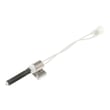
- Dryer burner igniter WE04X25996 (no heat, intermittent heat)
- Dryer operating thermostat WE4M181 (overheating, heat cycling issues)
- Door switch WE4M415 (won’t start when door is closed)
Quick symptom-to-system guide
| Symptom | Most likely system | Examples of parts involved |
|---|---|---|
| Drum doesn’t tumble | Drive system | Belt, motor, idler components |
| Runs but no heat | Gas heating system | Igniter, gas valve, radiant sensor |
| Takes too long to dry | Airflow system | Blower wheel, venting path, lint buildup |
| Won’t start | Controls/safety | Door switch, timer, thermal safety devices |
Why it matters
Knowing the main dryer parts helps us troubleshoot faster and order the right GE replacement part the first time. For example, “no heat” points to burner components, while “long dry times” often points to airflow restrictions or a blower issue.
For a deeper overview of dryer components and how they interact, use what are the main parts of a clothes dryer.
Last updated: February 2026
How to replace the push start button on a GE dryer?
On the GE DBXR453GT2WW gas dryer, replacing the push-to-start button typically means removing the control panel, disconnecting the switch wires, releasing the old button or switch from its mounting tabs, then installing the new part and reassembling. Always shut off power before touching wiring.
Safety first (do this before any disassembly)
- Unplug the dryer from the wall outlet.
- Shut off the gas supply valve if you will open the cabinet (recommended).
- Work with good lighting; take a photo of wire locations before disconnecting anything.
- Wear cut-resistant gloves; dryer panels can have sharp edges.
- If you smell gas at any point, stop and have the gas supply and connections checked.
Typical replacement steps (push-to-start button or switch)
- Disconnect power (unplug).
- Access the control area: remove the screws that secure the control panel or console (locations vary by GE design).
- Locate the push-to-start switch behind the button.
- Label and remove wires from the switch terminals (needle-nose pliers help; pull on the connector, not the wire).
- Release the switch/button: most GE styles use locking tabs or a retaining nut; depress tabs or remove the nut and slide the switch out.
- Install the new switch/button, secure it, and reconnect wires to the same terminals.
- Reassemble and test: restore power, then start a timed dry cycle to confirm the button starts the motor.
Quick diagnosis: is it the button/switch or something else?
| Symptom | More likely cause | What to check first |
|---|---|---|
| Button does nothing, no sound | Door switch, timer, start switch | Door closes firmly; test door switch |
| Hums but drum will not turn | Belt, idler, motor | Check belt condition and drum movement |
| Starts only if you hold button | Start switch contacts | Replace push-to-start switch |
Parts that commonly get checked during a “won’t start” repair
- Door switch WE4M415 (dryer will not run if the door switch is open)
- Dryer timer WE4M188 (failed timer contacts can prevent start)
- Drive belt WE03X29897 (broken belt can stop drum rotation)
Why it matters
A worn push-to-start switch can cause intermittent starting, longer cycle setup time, and unnecessary strain on the motor and timer contacts. Replacing the switch restores reliable starting and helps prevent repeat no-start symptoms.
Last updated: February 2026
How do I know if my GE dryer heating element is bad?
If your GE DBXR453GT2WW gas dryer tumbles but does not heat, the problem is not a heating element (gas dryers use a burner system). We confirm a heat failure by checking airflow first, then testing ignition and flame-sensing parts in the burner circuit.
Quick checks first (no tools)
- Make sure the dryer is set to a heated cycle (not Air Fluff or No Heat).
- Confirm strong airflow at the outside vent hood; weak airflow can mimic “no heat.”
- Clean the lint screen and inspect the exhaust duct for kinks or crushing.
- Verify the gas shutoff valve is fully open (handle parallel to the pipe).
- If the drum light works but the dryer stops when you open the door, the door switch is likely OK; if it will not run at all, check the door switch WE4M415.
What to test on a gas dryer (most common “no heat” parts)
On DBXR453GT2WW, “no heat” usually points to the igniter, gas valve, radiant sensor, or operating thermostat.
- Igniter: If it never glows, suspect the igniter or a safety device in series.
- Ignites then shuts off quickly: Often a flame-sensing issue.
- Igniter glows but no flame: Often gas valve coil/valve issue.
| Symptom | What you may see/hear | Likely direction |
|---|---|---|
| No glow, no flame | No orange glow at burner | Check dryer burner igniter WE04X25996 and thermostat circuit |
| Glow, no flame | Igniter glows then goes out | Check dryer gas valve assembly WE14X215 and sensor |
| Short cycling heat | Flame starts then stops | Check dryer radiant sensor WE4X448 and dryer operating thermostat WE4M181 |
Safe DIY testing tips (multimeter)
- Unplug the dryer before resistance/continuity checks.
- For live-voltage checks, we recommend a qualified technician because this is a gas appliance.
- When checking continuity, remove at least one wire from the part terminal so you do not read through the circuit.
Why it matters
Replacing an “electric heating element” on a gas dryer wastes time and money. On DBXR453GT2WW, focusing on the burner ignition system and airflow gets you to the real cause faster and helps prevent repeat no-heat problems.
Last updated: February 2026
What is the most common problem with a GE electric dryer?
The most common problem on a GE electric dryer is no heat or long dry times, usually caused by restricted airflow (lint buildup or a clogged vent) or a failed heating circuit component. On GE DBXR453GT2WW, which is a gas dryer, the most common complaint is still poor drying from airflow restriction, plus ignition-related heat failures.
Quick checks we recommend first (works for electric and gas)
- Clean the lint screen; wash it with warm water if fabric softener residue is present.
- Inspect the vent hose for kinks, crushing, or excessive length.
- Check the outside vent hood for a stuck flap or lint blockage.
- Run Timed Dry and confirm strong airflow at the outside vent.
- If the drum turns but drying is slow, fix airflow before replacing parts.
Most common symptoms and what they usually mean
| Symptom | Electric dryer most common cause | DBXR453GT2WW (gas) most common cause |
|---|---|---|
| Runs but no heat | Heating circuit issue (element, thermal fuse, thermostat) | Ignition or gas valve issue; also airflow restriction |
| Long dry times | Vent restriction or lint buildup | Vent restriction or lint buildup |
| Drum will not tumble | Broken belt or idler problem | Broken belt or idler problem |
| Squealing or scraping | Worn drum support parts | Worn drum support parts |
Parts that commonly fix “won’t tumble” and noise
- If the drum will not turn, check the drive belt WE03X29897 for breakage or slipping.
- If the belt is off or loose, inspect the idler arm and spring; replace the idler spring WE03X20434 if it is stretched or damaged.
- For scraping or squealing, inspect drum support surfaces; replace the dryer drum glide bearing WE03X37318 if worn.
Why it matters
Airflow problems make any dryer (electric or gas) overheat, cycle off early, and take longer to dry; that increases wear on the motor, belt, and drum supports.
Helpful DIY reference
- Use how to clean and maintain your clothes dryer to prevent long dry times and overheating.
Last updated: February 2026