Owner’s manual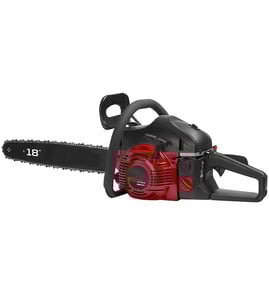






What is the lifespan of a chainsaw?
A gas chainsaw typically lasts about 10 years with normal homeowner use and routine maintenance. For your Craftsman 358350802, lifespan depends most on consistent lubrication, correct 40:1 fuel mix, clean air filtration, and proper storage practices outlined in the owner's manual.
Typical lifespan ranges (what to expect)
How long a chainsaw lasts is usually tied to hours of run time and how hard it is worked.
- Homeowner / occasional use: ~8 to 12 years
- Frequent property maintenance: ~5 to 8 years
- Commercial or daily use: ~1 to 3 years
- Wear items (replaced regularly): bar, chain, spark plug, air filter
Quick reference table
| Usage pattern | Typical lifespan | What usually ends it first |
|---|---|---|
| Occasional homeowner | 8 to 12 years | Fuel system issues, neglected maintenance |
| Regular homeowner | 5 to 8 years | Carburetor wear, air leaks, clutch/chain brake wear |
| Commercial | 1 to 3 years | Engine wear, heat damage, heavy vibration fatigue |
What extends the life of the Craftsman 358350802
These are the maintenance habits that make the biggest difference on this model.
- Mix fuel correctly (40:1): 3.2 oz 2-cycle oil per 1 gallon unleaded gas
- Keep bar and chain oil filled: plan on roughly one tank of bar oil per tank of fuel
- Replace the air filter on schedule: a clogged filter makes the saw run rich and lose power (see engine air filter 530037793)
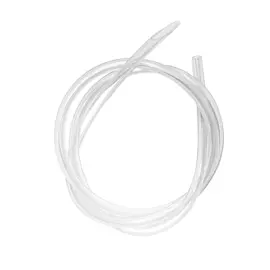
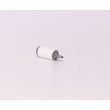
- Fix fuel line problems early: cracked lines cause hard starting and lean running (see fuel line, small 530069247 and fuel line, large 530069216)
- Store it the right way: clean it, oil the bar and chain, and use fuel stabilizer if storing 30+ days
Why it matters
Most “chainsaw failures” are really preventable problems like stale fuel, air leaks, or lack of bar oil. Keeping the fuel system clean and the cutting system lubricated prevents overheating, scoring, and premature engine wear.
Last updated: February 2026
What is the fuel mix for a 2-stroke chainsaw?
For the Craftsman 358350802 gas chainsaw, we mix unleaded gasoline with a good-quality synthetic 2-cycle (air-cooled) engine oil at a 40:1 ratio. That equals 3.2 oz of oil per 1 gallon of gas; the same fueling guidance is shown in the owner's manual.
Correct 40:1 mix amounts
Use this chart to measure oil accurately for common fuel quantities:
| Gasoline amount | Oil needed (40:1) |
|---|---|
| 1 gallon | 3.2 oz |
| 1/2 gallon | 1.6 oz |
| 1 quart | 0.8 oz |
| 1 liter | 25 ml |
How we recommend mixing fuel
Mixing and handling fuel safely helps prevent hard starting, rough running, and fuel-system damage.
- Mix and pour fuel outdoors, away from sparks or flames
- Use an approved, marked fuel container
- Add about half the gasoline first
- Measure and add the 2-cycle oil
- Add the remaining gasoline, then cap and shake briefly
- Wipe up spills before starting
- Move at least 10 feet (3 meters) from the fueling spot before starting the saw
Oil type and what to avoid
Using the correct oil protects the carburetor, cylinder, and piston.
- Use synthetic 2-cycle oil rated for air-cooled engines
- Do not use automotive oil
- Do not use marine 2-cycle oil
- Mix only what you will use soon; old fuel causes starting and running problems
Why it matters
A 2-stroke engine is lubricated by the oil in the fuel mix. Too little oil accelerates wear and can score the cylinder; too much oil can foul the spark plug and make the saw smoke and run rough.
Last updated: February 2026
Can I scrap a chainsaw?
Yes. We recommend scrapping your Craftsman 358350802 gas chainsaw by separating recyclable metal from non-metal parts, then taking the metal to a scrap or recycling facility that accepts it. Remove fuel and bar oil first, and handle the chain and guide bar carefully.
Safe prep before you scrap it
Before disassembly or transport, follow the basic safety practices in the owner's manual.
- Turn the engine off and let the saw cool completely
- Drain the fuel tank and bar oil tank into approved containers
- Wipe up any spills and keep fuel away from sparks or flames
- Wear gloves and eye protection; the chain cutters are sharp
- Keep children and bystanders at least 30 feet away while you work
What typically can be recycled vs. trashed
Most scrap yards focus on clean metal. Sort parts so you do not contaminate the metal load.
| Material/part | Usually handled as | Notes |
|---|---|---|
| Guide bar and chain | Scrap steel | Bag or wrap to prevent injuries |
| Engine and crankcase | Scrap metal | Drain fluids first |
| Plastic covers/handles | Trash or plastics recycling | Depends on local rules |
| Fuel lines, primer bulb | Trash | Rubber/plastic parts |
Quick disassembly tips (to make scrapping easier)
If you are removing cutting components first, these steps reduce injury risk.
- Engage the chain brake before handling the bar and chain
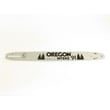
- Remove the bar and chain as a set, then separate them on a bench
- If fuel lines are cracked or leaking, replace them before any last use; common items include the poulan lawn & garden equipment fuel line, small 530069247 and ayp lawn & garden equipment fuel line, large 530069216
Why it matters
Proper draining and sorting prevents fire hazards from fuel vapors and keeps recyclable metal loads clean. It also reduces the chance of cuts and kickback-related injuries while you handle the guide bar and chain.
Last updated: February 2026