 Installation guide
 Owner’s manual

Can I replace dishwasher parts myself?
Yes, for the Estate TUD4700SQ1 dishwasher we see many customers successfully replace common wear parts themselves (like rack wheels, door seals, and drain hoses) by shutting off power and water, then following the step-by-step procedures in the TUD4700SQ1 owner's manual. For wiring, grounding, or leak-related repairs, use extra caution and stop if anything looks damaged.
Good DIY repairs vs. better-for-a-tech repairs
Usually DIY-friendly
- Door gasket and leak checks (inspect and replace a worn seal)
- Rack and roller repairs (wheels, rails, stops)
- Drain hose replacement and routing
- Cleaning and freeing a stuck overfill protection float
- Basic fasteners (screws, clamps) and minor adjustments
Often better for a technician
- Electrical diagnosis (no power, intermittent power, burning smell)
- Grounding or hard-wired connection issues
- Repeated tripping of a breaker or blowing a fuse
- Internal pump or motor electrical testing
Safety steps we recommend before any repair
- Turn off power at the breaker (do not rely on the door switch).
- Shut off the dishwasher water supply valve.
- Pull the unit out carefully; protect the floor and water line.
- If the dishwasher is hard-wired, confirm the junction box wiring is de-energized.
- Take photos of wire and hose routing before disconnecting anything.
Common parts customers replace on TUD4700SQ1
| Symptom | Likely area | Example part for this model |
|---|---|---|
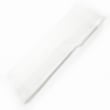
| Water leaking at the door | Door sealing surface | Dishwasher door seal WPW10509257 |
| Not draining well | Drain path and hose routing | Dishwasher drain hose WP3374077 |
| Not filling or fills slowly | Water supply and inlet valve | Valve-inlt W10844024 |
| Rack won’t roll smoothly | Rollers and rails | Dishwasher dishrack roller assembly, lower WP8268645 |
Why it matters
Replacing the right part the right way prevents repeat leaks, poor cleaning, and electrical hazards. The manual also calls out key checks like making sure the door latches, confirming power at the dishwasher, and ensuring the overfill protection float moves freely.
Last updated: February 2026
What are the commonly replaced parts in a dishwasher?
In the Estate TUD4700SQ1 dishwasher, the most commonly replaced parts are the ones that seal, fill, drain, heat, and move the racks. When you see leaking, poor cleaning, no-fill, no-drain, or drying problems, these parts are the first places we check.
Most common dishwasher parts that get replaced
- Door sealing parts (door gasket and related seals) to stop leaks
- Water inlet valve to fix no-fill or slow-fill issues
- Drain hose and clamps to correct draining problems and leaks at connections
- Heating-related parts (element seals/supports) to improve drying and prevent seepage at the tub
- Rack and rack-roller parts when racks won’t roll smoothly or wheels break
- Timer or start components when the unit has power but won’t run
Model-relevant examples for TUD4700SQ1
These are examples of commonly replaced items that are available for this model:
| Symptom | Likely part category | Example part for this model |
|---|---|---|
| Water leaking at the door | Door seal | Dishwasher door seal WPW10509257 |
| Dishwasher not filling | Fill system | Valve-inlt W10844024 |
| Dishwasher not draining or leaking at drain connection | Drain path | Dishwasher drain hose WP3374077 |
| Lower rack hard to roll, wheel broken | Rack movement | Dishwasher dishrack roller assembly, lower WP8268645 |
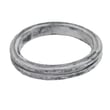
| Poor drying or seepage at heater pass-through | Heater seals/supports | Dishwasher heating element rubber washer WP717273 |
Why it matters
Replacing the right part first saves time and prevents repeat failures. For example, a “leak” can be a door seal issue, but it can also be a loose drain connection; the fix is completely different.
Quick checks we recommend before ordering parts
- Confirm the cycle is actually completing; some symptoms (standing water, detergent left behind) can happen when a cycle stops early.
- Check the overfill protection float moves freely; a stuck float can prevent filling.
- Inspect for obvious leak paths: door perimeter, under the front, and at the drain hose connection.
- If the dishwasher was just installed or moved, run the shortest cycle and watch for leaks.
For part locations, troubleshooting steps, and loading/drying guidance specific to this model, use the TUD4700SQ1 owner’s manual.
Last updated: February 2026
What are the parts of my dishwasher?
Your Estate dishwasher model TUD4700SQ1 is made up of wash, drain, heating, and door components that work together to fill, spray, heat, and drain water. The main parts you will interact with most are the racks, spray system, detergent dispenser, and door sealing and latching parts.
Main parts you will find on TUD4700SQ1
- Dish racks (upper and lower) and rack hardware (rollers, wheels, rails)
- Spray system (spray arms or spray tower and related feed components)
- Heating system (heating element and seals/supports)
- Fill system (water inlet valve and supply connection)
- Drain system (drain hose, clamps, and connection to the home drain)
- Door system (door seal, latch, hinges/springs, and inner door components)
- Controls/timer (cycle selection and timing components)
Common TUD4700SQ1 parts customers replace
Here are examples of model-matched parts that commonly wear or get damaged:
| What it affects | Example part for this model | What it does |
|---|---|---|
| Door leaks | Dishwasher door seal WPW10509257 | Seals the tub opening so water stays inside during the wash |
| Not filling or slow fill | Valve-inlt W10844024 | Opens to let water into the dishwasher at the start of the cycle |
| Poor draining or leaks at drain line | Dishwasher drain hose WP3374077 | Routes used water to the sink drain or disposer |
| Rack not rolling smoothly | Dishwasher dishrack roller assembly, lower WP8268645 | Supports the lower rack so it slides in and out correctly |
| No heat or leaking at element pass-through | Dishwasher heating element rubber washer WP717273 | Seals around the heating element connection to prevent leaks |
Why it matters
Knowing which system a symptom belongs to speeds up troubleshooting. For example, water on the floor usually points to the door seal or a hose connection, while standing water points to the drain hose or drain path.
Where to confirm what is on your exact unit
Use the diagrams and part lists in the TUD4700SQ1 owner's manual to match what you see in your tub (rack style, spray tower style, and drain setup) before ordering.
Last updated: February 2026
What is the thing at the bottom of my dishwasher?
In our Estate TUD4700SQ1 dishwasher, the “thing” at the bottom is usually part of the wash and drain system: the heating element loop, the sump area where water collects, and the drain path components. It can also be the overfill float or the lower spray area.
What it commonly is on TUD4700SQ1
At the tub bottom, you will typically see or interact with these items:
- Heating element (metal loop) that heats wash water and supports drying
- Sump area (low spot) where water gathers before being pumped
- Overfill protection float (small dome or cylinder) that must move freely
- Lower spray area that must stay clear so water can circulate
- Drain connection parts under the tub that carry water out, such as the dishwasher drain hose WP3374077
For the exact “parts and features” layout and what is normal to see inside the tub, use the TUD4700SQ1 owner's manual.
Quick identification checks (safe, no tools)
Use these checks to narrow down what you are seeing:
- If it is a metal loop running around the base, it is the heating element.
- If it is a small cap that lifts up and down, it is the overfill float; press down and release to confirm it moves freely.
- If dishes are not cleaning well, confirm nothing blocks the spray area and do not load items between the bottom rack and the tub wall.
- If water is left in the bottom, focus on the drain path; a kinked or clogged drain line is a common cause.
- Let the tub cool before touching the bottom after a hot cycle.
Bottom-area parts and what they affect
| What you notice | Most likely area | What it impacts |
|---|---|---|
| Metal loop at base | Heating element | Water heating, drying performance |
| Dome/cylinder that moves | Overfill float | Filling and overfill protection |
| Standing water after cycle | Sump and drain path | Draining and odor control |
| Poor wash results | Spray area and sump circulation | Cleaning performance |
Why it matters
Bottom-of-tub components control heating, circulation, and draining. Keeping the spray area clear and the float moving freely prevents “not cleaning,” “won’t fill,” and “not draining” symptoms.
Last updated: February 2026
What part of the dishwasher sprays water?
In the Estate TUD4700SQ1 dishwasher, the spray arm(s) (and on some designs a spray tower) are the parts that spray water to clean your dishes. Water pressure feeds the arm, and the arm must rotate freely so the spray reaches all soiled surfaces; see the TUD4700SQ1 owner's manual.
What to look for inside the tub
- Lower spray arm: the main rotating arm near the bottom rack.
- Upper spray arm or feed tube (varies by configuration): helps wash the top rack.
- Spray tower (some models): a vertical spray column; do not cover it with large items.
- Water inlet opening area: items wedged near the tub wall can block flow.
Quick checks if spray seems weak or uneven
- Load dishes so soiled surfaces face down or inward toward the spray.
- Spin the spray arm by hand (with the dishwasher off); it should move freely.
- Reposition large pans, cookie sheets, and pot handles so they do not interfere with rotation.
- Avoid nesting bowls or stacking items where spray cannot reach.
- Use hot water at the sink first so water enters around 120°F (49°C) for best cleaning.
Common causes and what they affect
| Symptom | Most likely cause | What to do first |
|---|---|---|
| Dishes still dirty | Spray blocked by loading | Re-load so spray can reach all surfaces |
| Thumping/clattering | Items hitting spray arm | Secure lightweight items; move handles/pans |
| Detergent not dissolving well | Water not hot enough | Run hot water at faucet before starting |
Why it matters
The spray arm is the dishwasher’s “washer.” If it cannot rotate or the spray is blocked, water will not reach the detergent cup, silverware basket, and dish surfaces, so cleaning and drying results drop fast.
Last updated: February 2026









