Installation guide
 Owner’s manual


Can I look up Frigidaire parts by model number?
Yes. For your Frigidaire gas dryer model FAQG7011LW0, looking up parts by the full model number is the most accurate way to match the correct replacement parts and diagrams, because it filters results to components built for your exact dryer configuration.
How to find and use the model number
We recommend using the complete model number exactly as shown on the dryer’s model tag, then matching it to the parts list and diagrams.
- Enter the full model number: FAQG7011LW0
- Match the part by name and part ID (not just a description)
- Compare the diagram location to the part you are replacing
- Confirm the symptom first (noise, no heat, won’t start, long dry times)
- Use the FAQG7011LW0 installation guide for model-specific access, door, and setup details
Common parts customers look up by model number
These are examples of parts on this model’s parts list that are often searched by model number when troubleshooting noise, drum movement issues, or heat problems:
| Symptom | Common part to check | Example part on this model |
|---|---|---|
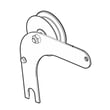
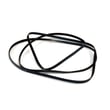
| Squealing, thumping, drum not turning smoothly | Belt and idler system | White-westinghouse dryer drum belt 134719300, dryer idler assembly 134793511 |
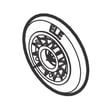
| Rumbling or scraping noise | Drum support | Dryer drum support roller 5304523152 |
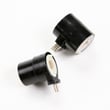
| No heat or intermittent heat (gas models) | Ignition and gas valve components | Coil-seconda 5303931775 |
Why it matters
Dryer parts can look similar across Frigidaire models, but mounting points, wiring connectors, and kit versions can differ. Using FAQG7011LW0 helps prevent ordering a part that does not fit or does not resolve the symptom.
Quick tip before you order
- If the dryer is noisy, inspect the belt path and rotating supports first
- If the dryer will not heat, confirm airflow (lint screen and venting) before replacing gas ignition parts
- If you are reversing the door swing or installing accessories, follow the steps and screw locations shown in the FAQG7011LW0 installation guide
Last updated: February 2026
How to remove a Frigidaire dryer blower wheel?
On the Frigidaire FAQG7011LW0 gas dryer, the blower wheel typically loosens by turning it clockwise (it uses a left-hand thread). If it is seized, we hold the motor shaft with locking pliers so we can apply steady torque and spin the wheel off without twisting the shaft.
Before you start (safety and access)
- Unplug the dryer from the grounded outlet.
- Shut off the gas supply valve to the dryer.
- Let the dryer cool completely.
- Move the dryer out enough to work safely and avoid stressing the vent.
- Keep screws and panels organized for reassembly.
For model-specific disassembly notes and safety steps, follow the FAQG7011LW0 installation guide.
Steps to remove the blower wheel
- Remove the front or rear access panel (depending on how your unit is configured) to reach the blower housing.
- Remove the blower housing cover so the wheel is exposed.
- Hold the motor shaft (often from the motor side) with locking pliers or a wrench so it cannot rotate.
- Turn the blower wheel clockwise to unthread it.
- If it is stuck, apply steady pressure; avoid prying on the plastic fins.
- Inspect the wheel for cracks, stripped hub, or heavy lint buildup.
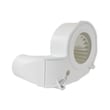
If the wheel or housing is damaged, replace the complete assembly: dryer blower wheel and housing assembly 131775600.
Quick direction check
| Task | Direction | Why |
|---|---|---|
| Loosen blower wheel | Clockwise | Left-hand thread prevents loosening during operation |
| Tighten blower wheel | Counterclockwise | Seats the wheel securely on the shaft |
Why it matters
A loose, cracked, or clogged blower wheel reduces airflow. That can cause long dry times, overheating symptoms, and excess lint accumulation in the cabinet and venting.
Last updated: February 2026
What are common dryer part failures?
Common failures on the Frigidaire FAQG7011LW0 gas dryer usually involve airflow restrictions (lint and venting), drum drive wear (belt, idler, rollers), and heat or safety components (thermistor, limiters, igniter, gas valve coils). These problems typically show up as no heat, long dry times, squealing, or no tumbling.
Most common failures and what you notice
- Long dry times or overheating: restricted exhaust ducting or a failing temperature sensor
- Drum not turning: worn or broken belt, idler, or support rollers
- Squealing, thumping, or rumbling: worn drum support rollers or idler assembly
- Dryer will not start: door switch not closing properly
- No heat on a gas dryer: igniter or gas valve coil issues (also check airflow first)
Model-relevant parts that commonly fix these symptoms
If your symptoms match, these are frequently replaced parts for FAQG7011LW0:
| Symptom | Likely area | Example part for this model |
|---|---|---|
| Drum will not tumble | Drum drive | White-westinghouse dryer drum belt 134719300 |
| Squealing or poor tension | Idler system | Dryer idler assembly 134793511 or dryer idler spring 131601000 |
| Thumping/rumbling | Drum support | Dryer drum support roller 5304523152 |
| No start when door closes | Door circuit | Dryer door switch 134813601 |
| Heat cycles oddly, shuts down hot | Temperature sensing/safety | Dryer thermistor 134587700 or limiter 137539200 |
| No heat (gas) | Ignition/gas valve | Coil-seconda 5303931775 or dryer burner igniter 5304517325 |
Airflow and venting failures (very common)
Even when parts are good, poor venting can cause long dry times and overheating. For this dryer, we follow the venting requirements in the installation guide:
- Use 4-inch (102 mm) diameter rigid or flexible metal duct
- Use an approved vent hood with a swing-out damper
- Keep at least 12 inches clearance between the vent hood and the ground/obstructions
- Do not use flexible plastic or metal foil venting (it can crush and trap lint)
Why it matters
Most “dryer problems” are really performance and safety issues caused by airflow restriction or worn drum-drive parts. Fixing the root cause helps prevent repeat failures, reduces drying time, and keeps temperatures stable.
Last updated: February 2026
Why does my Frigidaire dryer not dry so good?
Poor drying on your Frigidaire FAQG7011LW0 gas dryer almost always comes down to restricted airflow (lint screen, blower, or venting) or a heat control issue. Start with the venting rules in the installation guide, then check common airflow and temperature-sensing parts.
Quick checks that fix most “not drying well” problems
- Clean the lint screen before every load; wash it with warm water if you use dryer sheets (film can block airflow).
- Confirm the exhaust duct is rigid or semi-rigid metal, not plastic or foil; crushed or collapsed ducting slows drying.
- Make sure the dryer exhausts outdoors (not into an attic, wall, crawl space, or other enclosed space).
- Inspect the outdoor vent hood; remove lint buildup around the opening.
- Avoid screws or fasteners that stick into the duct; they catch lint and create clogs.
Airflow-related parts to inspect on this model
If airflow is weak even with a clean vent path, these parts are common suspects:
- Dryer blower wheel and housing assembly 131775600 (lint-packed wheel or damaged blades reduce air movement)
- Dryer drum support roller 5304523152 (drag can slow drum speed and reduce tumbling)
- Dryer idler assembly 134793511 and dryer idler spring 131601000 (belt tension issues can affect drum rotation)
- White-westinghouse dryer drum belt 134719300 (slipping or worn belt reduces tumbling efficiency)
Heat and temperature control checks
A gas dryer can run but still dry poorly if heat cycles incorrectly.
- If the dryer tumbles but heat is inconsistent, check the dryer thermistor 134587700.
- If the dryer overheats, shuts heat off early, or trips safety protection, check the limiter 137539200.
- If the dryer runs but will not maintain heat, the gas burner system can be involved; a common service item is the coil-seconda 5303931775.
Symptom-to-likely-cause guide
| What you notice | Most likely cause | What to do first |
|---|---|---|
| Clothes take 2+ cycles | Vent restriction | Inspect duct material, routing, and outdoor hood |
| Dryer feels hot but clothes stay damp | Poor airflow through drum | Check blower housing and lint buildup |
| Heat comes and goes | Sensor or gas ignition components | Check thermistor, limiter, then gas valve coils |
| Drum turns slowly or squeals | Belt/idler/rollers | Inspect belt path, idler, and rollers |
Why it matters
Restricted venting and lint buildup do more than increase drying time; they also raise operating temperatures and can trigger safety shutoffs. Following the venting requirements in the installation guide helps your FAQG7011LW0 dry faster and run more efficiently.
Last updated: February 2026