


Is there a stand mixer as good as KitchenAid?
Yes. Several stand mixers perform as well as a KitchenAid, but the “best” choice depends on what you value most: heavy dough power, quiet operation, bowl capacity, or price. For a KitchenAid KSM50P owner, we recommend comparing motor strength, metal geartrain durability, and available attachments before switching brands.
What to compare (so the replacement truly matches KitchenAid performance)
- Power under load: Look for a mixer that can knead bread dough without bogging down.
- All-metal drive components: Metal gears and a robust gearcase hold up better over time.
- Speed control consistency: Smooth low speeds matter for folding and preventing flour blowout.
- Bowl size and lift style: Match your typical batch size and preferred ergonomics.
- Parts support: Long-term parts availability is a big reason KitchenAid mixers stay repairable.
Common “as good as KitchenAid” alternatives by priority
| If you care most about… | What to look for | Typical tradeoff |
|---|---|---|
| Bread dough and frequent heavy use | Higher torque, sturdy gearcase | Higher cost, heavier machine |
| Value for occasional baking | Solid performance at lower price | More plastic internals on some models |
| Quiet mixing | Lower noise design, stable base | May cost more at similar capacity |
Why parts support matters (especially for KSM50P owners)
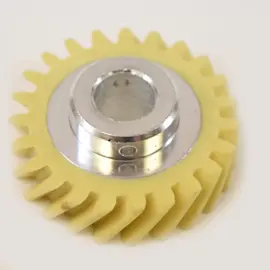
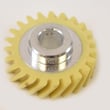
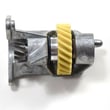
KitchenAid stand mixers are often worth keeping because many performance issues are repairable. For example, stripped gears or noisy operation can be tied to the drive system; replacing a wear item like the gear WPW10112253 and using the correct food-grade lubricant can restore normal mixing.
Signs your current mixer is a better “upgrade” than replacing it
- Grinding or clicking noises (often geartrain related)
- Oil or grease seepage around the planetary area
- Speed surging or inconsistent RPM
- Mixer runs but beater stalls in thick dough
Practical recommendation
If your KSM50P is otherwise in good shape, repairing it is often the most “KitchenAid-level” outcome because you keep the original fit, finish, and attachment ecosystem. If you are buying new, choose the alternative that matches your heaviest use case (bread dough vs. cakes and cookies).
Last updated: January 2026
What is the life expectancy of a KitchenAid stand mixer?
A KitchenAid stand mixer like model KSM50P typically lasts 10 to 15 years with normal home use and basic maintenance. Heavy loads (stiff doughs), overheating, and worn drive components can shorten lifespan, while timely gear and grease service can extend it.
What affects lifespan the most
- Load and batch size: frequent bread dough and oversized batches stress the motor and gears.
- Heat buildup: running long mixes at high speed can overheat the motor and control components.
- Gearcase condition: worn gears or dried, separated grease accelerates wear.
- Speed control health: inconsistent speeds can indicate an electrical control issue.
- Storage and cleaning: keeping flour and moisture out of vents and seams helps prevent corrosion.
Common “end-of-life” symptoms (and what they usually mean)
| Symptom | Most common cause | Typical fix path |
|---|---|---|
| Grinding or clicking under load | Worn worm gear or gearcase wear | Inspect and replace drive gear(s) and regrease |
| Oil or grease leaking | Aging grease or seal wear | Clean, replace seal if needed, regrease |
| Speed surging or won’t hold speed | Speed control components drifting | Check control board and related linkage |
| Mixer stops when dough thickens | Overload, worn gears, or breaker issue | Reduce load; inspect gears and electrical protection |
Parts that commonly extend the life of a KSM50P
If your mixer is noisy, leaks, or struggles under load, these model-compatible parts are often involved:
- Gear WPW10112253 (worm gear) for grinding, skipping, or loss of drive
- Grease W11200218 for gearcase service after cleaning out old grease
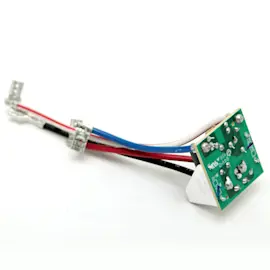
- Phase control board WPW10325124 for speed instability or surging
Why it matters
A stand mixer usually fails gradually, not suddenly. Catching gear wear early helps protect the motor, reduces metal debris in the gearcase, and keeps speeds consistent for better mixing results.
Last updated: January 2026
What is the best stand mixer on the market?
For most home bakers, the “best” stand mixer is the one that matches your batch size and how often you mix; KitchenAid tilt-head mixers are the most common all-around choice, while bowl-lift mixers usually handle heavier doughs better. If you own a KitchenAid KSM50P, keeping the drive and speed-control parts in good shape often matters more than upgrading.
How we recommend choosing the best mixer
- Capacity and batch size: 4.5 to 5 quarts fits most everyday baking; larger bowls help with big batches.
- Mixer style: tilt-head is convenient for attachments; bowl-lift is typically more stable for dense dough.
- Motor and gearing: frequent bread dough mixing puts more stress on gears and grease.
- Speed control consistency: smooth low speeds help with folding and preventing flour blowout.
- Serviceability: availability of common wear parts can extend the mixer’s life.
What “best” looks like for different needs
| Your main use | What to prioritize | Typical best fit |
|---|---|---|
| Cookies, cakes, frosting | Easy access, everyday versatility | 4.5 to 5-qt tilt-head |
| Bread dough weekly | Stability, torque, cooling | Bowl-lift style |
| Large batches often | Bowl size, power, durability | 6 to 7-qt class |
| Occasional use, budget | Value, basic speeds | Entry-level stand mixer |
If you already have a KitchenAid KSM50P
When a mixer starts clicking, grinding, leaking oil, or struggling under load, the “best mixer” question often turns into a maintenance question. These are common KSM50P-RELATED parts that affect performance:
- Worn worm gear can cause slipping or loud grinding: gear WPW10112253
- Old or contaminated gearcase lubricant can increase noise and wear: grease W11200218
- Erratic speeds can point to a control issue: speed control board WPW10119326
Why it matters
A stand mixer is a long-term countertop tool; choosing the right size and drive style prevents overheating, stripped gears, and inconsistent mixing, especially with bread dough and thick batters.
Last updated: January 2026