Owner’s manual
 Error Codes


Are Whirlpool washer parts interchangeable?
Whirlpool washer parts are not universally interchangeable. For the Whirlpool WFW8300SW00, we recommend using factory specified parts made for this platform so the part fits correctly, seals properly, and the washer operates as designed (especially for door, drain, and control components).
What “interchangeable” really means for Whirlpool washers
Some Whirlpool parts look similar across models, but fit and function can still differ by:
- Model series and engineering revision
- Electrical connectors and control programming
- Hose routing, clamp sizes, and mounting points
- Door boot shape, drain port location, and venting
- Spin speed and vibration control hardware
For model-specific part identification, use the WFW8300SW00 owner's manual.
Parts that are rarely safe to swap between models
These parts are commonly model-specific on front-load washers like the WFW8300SW00:
- Electronic control boards and motor controls
- Door lock and latch assemblies
- Washer door boot and clamps
- Drain pump and pump housing connections
- Wire harnesses and sensor-related components
Examples of model-matched parts for WFW8300SW00
| Part type | Example part for this model | Why matching matters |
|---|---|---|
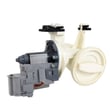
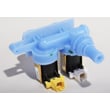
| Drain pump | Water pump WPW10730972 | Prevents leaks, drain errors, and poor pump performance |
| Door seal | Washer door boot WPW10111435 | Ensures correct sealing and prevents door leaks |
| Door boot clamp | Washer door boot spring clamp WP8540108 | Keeps the boot seated so it does not pop off during spin |
When a part might interchange
Interchangeability is most common with basic hardware or non-critical items, but we still match by model to avoid surprises.
- Screws and some fasteners
- Certain clamps (only when size and style match)
- Some cosmetic items (color and hole pattern still matter)
Why it matters
Using the correct Whirlpool factory specified part helps the washer fit right and work right. It also reduces repeat failures like leaks, no-drain symptoms, door not locking, and vibration issues.
Last updated: February 2026
What is the life expectancy of a Whirlpool washing machine?
Most Whirlpool washing machines last 10 to 14 years with normal household use and basic maintenance. For the Whirlpool WFW8300SW00 front-load washer, using HE (High Efficiency) detergent and following the care steps in the WFW8300SW00 owner's manual helps you reach that typical lifespan.
What affects washer lifespan the most
- Load size and balance: frequent overloading and heavy, unbalanced loads shorten bearing, suspension, and belt life.
- Detergent choice: use HE detergent only to reduce oversudsing and residue.
- Moisture control: leaving the door closed all the time can promote odor and seal wear.
- Drain performance: slow draining strains the pump and can leave water behind.
- Vibration and leveling: an unlevel washer increases wear on the tub system and drive components.
Maintenance habits that add years
- Wipe the door boot dry after wash day and leave the door ajar between loads.
- Run a monthly cleaning cycle (or a hot cycle) to reduce buildup.
- Check pockets; coins and debris can damage the drain system.
- Keep the washer level and stable; re-check after moving or flooring changes.
- Address leaks quickly; a worn boot or loose clamp can lead to bigger repairs.
Typical lifespan: what to expect
| Usage pattern | Typical life expectancy | What usually wears first |
|---|---|---|
| Light (few loads/week) | 12 to 15 years | Door boot, pump, hoses |
| Average (most households) | 10 to 14 years | Pump, belt, door lock |
| Heavy (daily loads) | 7 to 10 years | Bearings, suspension, controls |
Why it matters
Knowing the expected lifespan helps you decide when maintenance is worth it versus planning for a replacement. If your washer is not draining or is leaving water behind, the water pump WPW10730972 is a common wear item that can restore normal operation when it fails.
Last updated: February 2026
Why is my Whirlpool front load washer leaking from underneath?
On the Whirlpool WFW8300SW00, leaking from underneath is usually caused by a drain or hose issue (drain hose routing, loose fill hoses, or a drain backup) or by oversudsing from non-HE detergent. Start by checking hose connections and the drain setup shown in the WFW8300SW00 owner's manual.
Quick checks we recommend first
- Tighten both hot and cold fill hoses at the faucet and at the washer.
- Confirm the hose gaskets are seated correctly at both ends.
- Make sure the drain hose is secured but not sealed; it needs an air gap.
- Verify the standpipe or laundry tub drains fast enough; a slow drain can cause backup.
- Use HE detergent only; too many suds can push water out and look like a leak.
- If the leak happens after you open the door mid-cycle, water can drip off the inside of the door.
Most common leak sources under the washer
If the hoses and drain setup look good, the next most common “underneath” leak points are the drain pump area and the door boot.
| Where you see water | Most likely cause | What to do next |
|---|---|---|
| Front/center under washer | Drain pump or pump hoses leaking | Inspect for cracks, loose clamps, or debris; consider replacing the water pump WPW10730972 if it’s seeping |
| Front edge near door | Door boot torn or not sealing | Check for rips, pinholes, or debris; replace the washer door boot WPW10111435 if damaged |
| Rear under washer | Fill hose connection or oversudsing | Reseat gaskets, tighten fittings, switch to HE detergent and correct dose |
Drain hose setup details that prevent leaks
Proper drain hose routing protects floors from water damage. We follow these rules from the manual:
- Do not force excess drain hose back into the rear of the washer.
- Do not seal the drain hose into the standpipe; keep an air gap to prevent siphoning.
- Keep the top of the drain hose at least 30 inches above the floor.
Why it matters
A small leak can quickly damage flooring and can also lead to repeated drain problems. Fixing the root cause (hose routing, drain capacity, or a failing pump or boot seal) prevents recurring leaks and protects the washer’s electronic control area.
Last updated: February 2026