Installation guide
 Owner’s manual



What is the lifespan of a GE gas dryer?
A GE gas dryer like model DCVH680GJ2MS typically lasts 10 to 13 years. You can often reach the high end of that range by keeping airflow strong (lint filter and venting) and addressing wear items early; poor venting and heavy use shorten life.
What affects dryer lifespan most
- Vent restriction (clogged ducting or crushed vent hose) increases heat and run time
- Lint buildup inside the cabinet or at the exhaust connection
- Overloading (more strain on the drum belt, glides, and idler pulley)
- Heat system cycling issues (gas ignition and temperature sensing)
- Moisture sensor contamination (can cause longer cycles and extra wear)
Maintenance that extends the life of DCVH680GJ2MS
We recommend following the care and cleaning guidance in the DCVH680GJ2MS owner’s manual. Key habits:
- Clean the lint filter before each load
- Inspect and clean the exhaust ducting at least once a year
- Keep the area around the dryer clean and dust-free
- Avoid drying items that can damage the dryer (rubber-backed, foam-filled, plastics)
- Do not overload; it wastes energy and increases wear
Quick maintenance schedule
| Task | How often | Why it helps |
|---|---|---|
| Clean lint filter | Every load | Maintains airflow and drying performance |
| Check vent airflow outside | Monthly | Catches restrictions early |
| Clean exhaust ducting | Yearly | Reduces run time and heat stress |
| Cabinet interior cleaning (qualified service) | Yearly | Removes lint near burner and blower |
Common “wear parts” that signal age
If the dryer runs but gets noisy, squeals, or the drum slips, these parts are common culprits:
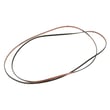
- Dryer drum belt WE03X29897
- Drum glides and felt seals
- Idler pulley and idler arm
Why it matters
A gas dryer that is properly vented and kept clean runs cooler, dries faster, and puts less strain on the motor, drum support, and ignition system. That directly improves reliability and helps you get the full expected service life.
Last updated: January 2026
What brand of dryer has the least problems?
No dryer brand is problem-free, but the brands with the fewest service issues are typically the ones built with simpler designs and strong parts support. For a GE gas dryer like model DCVH680GJ2MS, long-term reliability also depends heavily on correct venting, routine cleaning, and following the safety and care steps in the DCVH680GJ2MS owner's manual.
Brands that usually have the fewest problems
Across the industry, these brands are commonly associated with fewer breakdowns when used and maintained normally:
- Speed Queen: commercial-style build, fewer “extra” features, strong durability
- Whirlpool (and Maytag): widely serviced, straightforward designs, good parts availability
- LG: strong performance and features; reliability is best when venting and maintenance are excellent
- GE: solid overall reliability; correct installation and airflow are key on gas models
What matters more than the logo
Even a “reliable” brand will have problems if airflow or maintenance is poor. For the GE DCVH680GJ2MS, the installation guidance emphasizes exhausting the dryer outdoors and using proper ducting; restricted venting is a top cause of long dry times and overheating.
Reliability checklist (works for any brand)
- Vent to the outdoors and keep the vent path short and smooth
- Use 4-inch rigid metal duct when possible; avoid flexible plastic duct
- Clean the lint screen every load; clean the exhaust duct periodically
- Do not overload; separate heavy fabrics from lightweight items
- Keep the dryer level to reduce vibration and wear
Quick comparison: “least problems” by buyer type
| If you want... | Brands that usually fit best | Why |
|---|---|---|
| Maximum durability, fewer repairs | Speed Queen | Simple, heavy-duty design |
| Easy repairs and broad service coverage | Whirlpool, Maytag, GE | Common parts and service familiarity |
| More features with strong performance | LG | Good feature set; maintenance-sensitive |
Why it matters
Dryers often “seem unreliable” due to airflow restrictions, improper installation, or skipped cleaning. Good venting and routine care reduce heat stress on key components (like the igniter, sensors, and controls) and help any brand last longer.
Last updated: January 2026
What is the most common problem with a GE dryer?
For the GE DCVH680GJ2MS gas dryer, the most common problems we see are long dry times from restricted venting, no heat, and the drum not turning. A full lint filter or partially clogged exhaust duct is a frequent root cause and can also lead to overheating symptoms.
Most common issues (and what they look like)
- Clothes take too long to dry: airflow restriction, kinked duct, blocked outside damper
- No heat: ignition or gas burner system issue, temperature sensing issue, or airflow restriction
- Drum not turning: worn belt or idler pulley problem
- Won’t start: door switch not closing, power supply issue, control problem
- Shaking/noise: dryer not level, worn drum support components
Quick checks we recommend first
Start with the easy, high-impact items before replacing parts:
- Clean the lint filter before every load
- Inspect the vent path for kinks, crushing, or heavy lint buildup
- Confirm the outside wall damper opens freely
- Avoid overloading; large heavy loads dry slower and can wrinkle
- If the dryer is noisy, level it using the leveling legs
Common symptoms and likely causes
| Symptom | Most likely cause | What to do next |
|---|---|---|
| Long dry times | Improper or obstructed ducting | Verify venting setup and clean ducting (yearly minimum) |
| Drum won’t tumble | Worn belt or idler pulley | Inspect belt condition and pulley movement |
| No heat (gas) | Ignition/burner issue or airflow restriction | Check airflow first; then diagnose ignition components |
| Lint on clothes | Lint filter full or sorting issues | Clean lint filter; separate lint producers |
Parts that commonly fail on this model
If your symptoms match, these are frequent wear items for the DCVH680GJ2MS:
- Dryer drum belt WE03X29897 (drum won’t turn, squealing, intermittent tumbling)
- Idler pulley WE12X83 (squeal, belt slipping, drum stops)
- Door switch WE4M415 (dryer won’t start when door is closed)
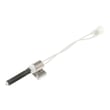
- Igniter WE04X25996 (gas dryer runs but won’t heat)
Why it matters
Airflow problems do more than slow drying. The manual calls out that a partially clogged exhaust can lengthen drying time, and it recommends inspecting and cleaning exhaust ducting at least once a year. Following the venting guidance in the DCVH680GJ2MS installation guide helps prevent repeat failures and improves performance.
Last updated: January 2026