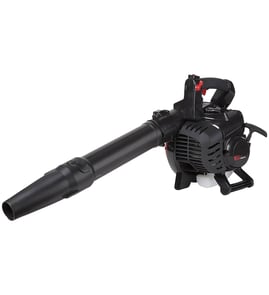

What is the life expectancy of a gas leaf blower?
A gas leaf blower like the Craftsman 636798690 typically lasts about 8 to 10 years with normal homeowner use and consistent maintenance. Heavy use, dusty conditions, and running old fuel can shorten life; clean fuel and routine service extend it.
What most affects lifespan
- Fuel quality and storage: fresh gas and correct 2-cycle mix (if applicable) prevent carburetor issues
- Air filtration: a clean air filter reduces cylinder and piston wear
- Cooling airflow: debris buildup around cooling fins can overheat the engine
- Spark and ignition health: a worn spark plug can cause hard starting and misfires
- Vibration and fasteners: loose hardware can damage housings and mounts over time
Maintenance schedule that keeps it running longer
| Task | Typical interval | Why it matters |
|---|---|---|
| Replace/clean air filter | Every season (more often in dust) | Protects engine from abrasive dirt |
| Replace spark plug | Yearly or every 50-100 hours | Improves starting and power |
| Inspect fuel lines and primer bulb | Each season | Prevents air leaks and fuel starvation |
| Clean cooling air inlets/fins | Each use or weekly | Prevents overheating |
Signs it is nearing end of service life
- Compression feels weak (easy pull, low power)
- Repeated carburetor clogging even with fresh fuel
- Excessive vibration, rattling, or cracked housings
- Hard starting that returns soon after tune-ups
Why it matters
A well-maintained 2-cycle engine holds compression and runs cooler, which reduces expensive failures like scored cylinders and crank bearing wear. Good maintenance also improves throttle response and reduces downtime during peak yard season.
For help confirming you have the exact model before ordering maintenance items, use how to find your appliance model number (and what it means for parts).
Last updated: January 2026
Is it better to have more mph or cfm in a leaf blower?
For a Craftsman 636798690 gas leaf blower, neither MPH nor CFM is automatically “better”; CFM (air volume) helps you move and pile debris, while MPH (air speed) helps you break loose wet, stuck, or heavy material. The best choice depends on what you’re clearing most often.
What MPH and CFM actually do
- Higher CFM: moves more air overall; best for pushing lots of dry leaves across lawns and driveways.
- Higher MPH: hits harder at the nozzle; best for dislodging wet leaves, pine needles in cracks, and packed debris.
- Balanced ratings: usually feels strongest in real-world use because you get both “push” and “punch.”
Quick picking guide (match the job)
| Your typical cleanup | Prioritize | Why |
|---|---|---|
| Large yard, dry leaves | Higher CFM | Moves bigger piles faster |
| Wet leaves, matted debris | Higher MPH | Breaks material loose |
| Mulch beds, tight corners | Higher MPH with good control | Helps aim force without scattering everything |
| All-around use | Strong CFM + MPH combo | Most versatile performance |
Practical targets most shoppers use
Because ratings vary by nozzle and test method, we recommend using these as general shopping ranges:
- Light-duty: about 200 to 400 CFM and 120 to 160 MPH
- Mid-range: about 400 to 600 CFM and 150 to 190 MPH
- Heavy-duty: about 600+ CFM and 190+ MPH
Why it matters
CFM determines how quickly you can move volume across open areas, while MPH determines whether the blower can “unstick” debris from surfaces. If you buy only for one number, the blower can feel underpowered in the situations you face most.
For help confirming you have the exact model before comparing specs or parts, use how to find your appliance model number (and what it means for parts).
Last updated: January 2026
What is the best gas-powered leaf blower on the market?
The “best” gas-powered leaf blower depends on how you’ll use it: handheld blowers are best for quick cleanup, while backpack blowers are best for large properties and heavy debris. For owners of Craftsman model 636798690, focus on CFM/MPH, weight, and starting reliability when comparing options.
How to choose the right type (handheld vs. backpack)
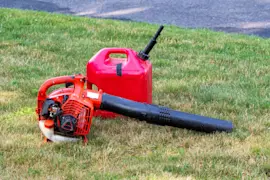
- Handheld: best for driveways, decks, and small to medium yards; lighter and easier to store.
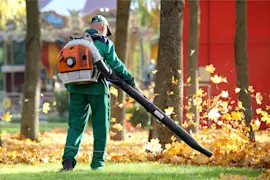
- Backpack: best for large yards, wet leaves, and long run times; more power and less arm fatigue.
- Vacuum/mulcher combo: helpful if you want to collect leaves, but adds weight and maintenance.
Quick comparison
| Feature | Handheld gas blower | Backpack gas blower |
|---|---|---|
| Typical use | Spot cleanup | Long sessions, big areas |
| Typical power | Moderate to high | High to very high |
| Comfort | More arm load | Better weight distribution |
| Storage | Easier | Bulkier |
What specs matter most (and what to ignore)
When you compare brands like Echo, Husqvarna, Stihl, and Craftsman, these are the specs that translate into real performance:
- CFM (air volume): higher CFM moves more leaves at once.
- MPH (air speed): higher MPH helps lift wet or stuck debris.
- Weight and balance: a few pounds makes a big difference over 20 to 30 minutes.
- Starting system: look for consistent cold starts and a dependable primer/choke setup.
- Vibration and noise: lower vibration reduces fatigue; always use hearing protection.
Top picks by “best for” category
We see these categories come up most often when shoppers ask for the “best”:
- Best overall for large properties: high-output backpack blower (high CFM, comfortable harness).
- Best handheld value: mid-size handheld with strong CFM-to-weight ratio.
- Best for heavy, wet leaves: high MPH backpack blower with a wide nozzle option.
Why it matters
Choosing the right blower type and specs saves time, reduces fatigue, and helps prevent premature wear on the engine and fuel system. If you already own a 37.7-cc gas unit like Craftsman 636798690, matching the blower’s power to your yard size is the fastest way to get better results.
Related: how to find your appliance model number (and what it means for parts)
Last updated: January 2026