Owner’s manual
 Error Codes


How to tell if a Kenmore refrigerator compressor is bad?
On Kenmore Elite refrigerator model 79577544600, a “bad compressor” usually shows up as poor cooling even though the unit has power, or abnormal compressor-related noises that do not match normal operating sounds. Before condemning the compressor, we verify airflow, condenser cleanliness, and control settings using the 79577544600 owner's manual.
Quick checks before blaming the compressor
- Confirm the refrigerator is plugged in and the outlet has power.
- Make sure the temperature controls are set correctly (not OFF).
- Clean dusty condenser coils; dirty coils make the compressor run longer.
- Check doors close fully and gaskets seal; warm air leaks can mimic compressor failure.
- Listen for normal sounds (clicks, gurgling, fan airflow) versus harsh buzzing or repeated clicking.
What “normal” compressor behavior looks like on this model
The manual notes that modern, high-efficiency compressors can run longer than older refrigerators, especially in warm rooms or after frequent door openings.
| Symptom | Often normal | More likely a problem |
|---|---|---|
| Runs a lot | After plugging in (up to 24 hours to cool), hot room, frequent door openings | Runs constantly and temperatures never reach setpoint |
| Sounds | Clicking at cycle start/stop, gurgling refrigerant, fan airflow | Loud buzzing, repeated click-then-silence cycles, overheating smell |
| Cooling | Slow recovery after loading groceries | Warm fridge and warm freezer at the same time |
Signs that point more directly to a compressor problem
- Refrigerator and freezer both stay warm even after 24 hours of operation.
- Compressor is extremely hot and the unit struggles to maintain temperature.
- You hear repeated start attempts (clicking) that suggest a start device issue or a locked compressor.
- The compressor runs but cooling is weak, and airflow issues have been ruled out.
Parts that can mimic a bad compressor
A failed start device can prevent the compressor from starting even when the compressor itself is OK. If you suspect a sealed-system issue, we recommend having a technician confirm the diagnosis.
| Component | What it affects | When to suspect it |
|---|---|---|
| Compressor start relay (often called a start device) | Compressor start-up | Clicks repeatedly, compressor does not stay running |
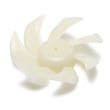
| Condenser fan motor assembly EAU61723501 | Heat removal at condenser | Compressor runs hot, poor cooling, little airflow at back |
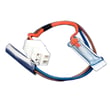
| Defrost heater 5300JK1005D | Frost control on evaporator | Frost buildup leads to weak airflow and warm temps |
Why it matters
Compressors and sealed-system repairs are among the most expensive refrigerator fixes. Ruling out airflow, dirty coils, and control-setting issues first prevents unnecessary parts replacement and gets cooling restored faster.
Last updated: January 2026
What are the common problems with Kenmore Elite refrigerators?
Common problems on the Kenmore Elite 79577544600 bottom-mount refrigerator include warm temperatures from dirty condenser coils or airflow issues, frost buildup from doors not sealing or a defrost problem, and ice maker issues such as slow ice production or off-taste ice. For model-specific checks and settings, use the 79577544600 owner's manual.
Most common symptoms and what usually causes them
- Not cooling or weak cooling: dirty condenser coils, blocked vents, evaporator fan issue, or sealed-system trouble
- Frost or ice crystals on food: door not closing fully, frequent door openings, gasket sealing problems
- Water leaks or puddles: clogged/iced defrost drain, drain tube restriction
- Ice maker problems (slow, small cubes, bad taste): temperature not cold enough, door left open, water supply restriction, old ice or food odors
- Noises (buzzing, clicking, rattling): fan blade interference, compressor start device issues, loose panels
Quick checks we recommend first (fast, no parts)
- Confirm doors close completely and the refrigerator is level.
- Clean the condenser coils (this reduces compressor workload and improves cooling).
- Check gaskets for dirt or stickiness; clean and lightly wax if needed.
- Verify freezer temperature is cold enough; allow 24 hours after changes for ice production.
- If ice tastes or smells off, discard the first batches after installation and replace old stored ice.
Parts that commonly relate to these problems (for this model)
| Symptom | Common area | Example part for this model |
|---|---|---|
| Slow ice, no ice, no water dispense | Water supply and valve | Lg refrigerator water inlet valve 5221JB2006K |
| Frost, warm temps, odd fan noise | Defrost and airflow | Lg refrigerator defrost heater 5300JK1005D |
| Water under fridge or in freezer | Defrost drain path | Refrigerator drain tube 5251JA3003D |
Why it matters
Catching airflow, door-seal, and drain issues early helps prevent food spoilage, recurring frost, and compressor strain. Simple maintenance like coil cleaning and keeping doors sealing properly solves a large share of “not cooling” and ice maker complaints.
Last updated: January 2026
Why is my refrigerator not getting cold at the bottom?
When the bottom of your Kenmore Elite refrigerator model 79577544600 is warm, the most common cause is restricted airflow inside the fresh food compartment or a temperature setting that has not stabilized yet. Your refrigerator is designed to move cold air through vents; blocked vents can leave the lower area warmer.
Quick checks that fix most “warm bottom” complaints
- Wait 24 hours after any control change; the manual notes temperatures need time to stabilize.
- Set a baseline temperature: start around 37°F for the refrigerator and 0°F for the freezer.
- Do not block air vents with food packages; blocked vents interrupt circulation and cause temperature and moisture problems.
- Cover and wrap foods tightly; excess moisture can contribute to airflow and temperature issues.
- Confirm doors close fully; warm air leaks reduce cooling performance.
Airflow basics (why the bottom can warm up)
Your 79577544600 circulates air between the freezer and refrigerator sections: cold air enters the refrigerator through the top vent, circulates, and exits at the bottom to return to the freezer. If the return path is blocked, the lower area often shows the problem first. See the airflow diagram and vent guidance in the 79577544600 owner's manual.
What to do
| What you notice | Most likely cause | What we recommend |
|---|---|---|
| Top shelves colder than crisper area | Vents blocked by packages | Clear space around vents; reorganize items |
| Temps changed recently | Normal stabilization delay | Wait 24 hours; adjust 1 step at a time |
| Frosty back panel or weak airflow | Defrost system issue | Inspect for frost buildup; consider service |
| Warmth after loading groceries | Heat load from new food | Allow several hours to recover |
Parts that can be involved (when airflow is weak)
If you hear unusual fan noise, have little airflow, or see frost buildup, the evaporator fan or defrost system may be involved.
- For fan-related cooling issues, follow steps in how to fix your evaporator cooling fan.
- If you suspect a defrost failure (heavy frost on the evaporator cover), the lg refrigerator defrost heater 5300JK1005D is one model-matched part that can be involved.
Why it matters
A warm bottom section is usually an air circulation problem, not a lack of cooling capacity. Restoring proper venting and stable settings prevents food spoilage, moisture buildup, and temperature swings.
Last updated: January 2026
Why is my Kenmore Elite refrigerator leaking water out of the bottom?
Water leaking from the bottom of your Kenmore Elite refrigerator model 79577544600 is typically caused by a clogged or frozen defrost drain (defrost water cannot reach the drain pan) or a leak in the water supply tubing, fittings, or inlet valve. Use the 79577544600 owner's manual to locate access points and confirm the drain and water line routing.
Quick checks that find most leaks
- Look for ice or standing water under the freezer floor; this points to a frozen or clogged defrost drain.
- Check behind the refrigerator near the floor for drips at the household supply connection.
- Inspect push-in fittings and tubing for slow seepage.
- Note when the puddle appears: after defrost, after dispensing water, or after ice maker cycles.
- Verify the drain pan is seated correctly and not cracked.
Most common causes and what to do
| What you notice | Most likely cause | What we recommend |
|---|---|---|
| Water or ice under freezer bottom | Defrost drain clogged or frozen | Melt ice, clear the drain opening, then flush with hot water until it drains freely |
| Drips behind fridge near floor | Loose or damaged water line connection | Re-seat tubing fully, tighten compression fittings, replace cracked tubing or fittings |
| Leak only during ice or water use | Inlet valve or dispenser tubing leak | Inspect for weeping at the valve and connectors; replace the leaking component |
Parts that commonly fix bottom leaks on this model
If you find a cracked line or connector, these are common water-path replacements for model 79577544600:
- Refrigerator water tubing MJU62070602 (water line inside the refrigerator cabinet)
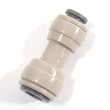
- Refrigerator water tube fitting 4932JA3002C (push-in style connector)
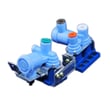
- Lg refrigerator water inlet valve 5221JB2006K (valve that supplies water to the dispenser and ice maker)
Why it matters
A small leak can quickly damage flooring and can also reduce ice maker output if water pressure drops from a seeping connection. Clearing the defrost drain prevents repeat puddles and freezer icing.
Last updated: January 2026