


Can a dryer be both gas and electric?
A dryer is not “both” in the sense of using either fuel; it is either a gas dryer or an electric dryer for heat. However, a gas dryer still uses electricity to run the motor, controls, drum, and igniter system, so it needs both a gas supply and an electrical connection.
How gas vs. electric dryers actually work
- Gas dryer: Natural gas or LP provides heat; electricity powers the motor and controls.
- Electric dryer: Electricity provides heat (heating element) and also powers the motor and controls.
- Both types: Use a blower to move air through the drum and out the vent.
What this means for your GE DDE7500GAL
GE DDE7500GAL is an electric dryer, so it uses electricity for both heat and operation. If you are troubleshooting airflow or noise issues on this model, the blower and drive system parts are common places to check.
Common electric-dryer symptoms and likely areas
- No heat: power supply issue, heating circuit components
- Long dry times: restricted venting, lint buildup, weak airflow
- Loud rumbling/squealing: drum support components, idler pulley, bearings
- Humming but not turning: drive motor or a stuck drum
Quick comparison
| Feature | Gas dryer | Electric dryer |
|---|---|---|
| Heat source | Gas burner | Electric heating element |
| Electrical power needed | Yes | Yes |
| Typical hookups | Gas line + outlet | 240V outlet |
Why it matters
Knowing whether your dryer is gas or electric helps you buy the right parts and troubleshoot safely. For example, airflow problems can involve the blower wheel on either type, but heating-system parts differ.
Helpful DIY reference
For maintenance steps that help prevent long dry times and overheating, use how to clean and maintain your clothes dryer.
Last updated: January 2026
What is the most common problem with a GE dryer?
The most common problems we see with a GE electric dryer like model DDE7500GAL are airflow restrictions (long dry times or overheating), a no-heat condition, or a drum that will not turn. Many of these symptoms trace back to lint buildup, venting issues, or worn drive components.
Most common symptoms and what they usually mean
- Dryer runs but clothes take too long to dry: restricted venting, lint buildup, or a weak blower wheel
- Dryer runs but no heat: power supply issue (missing one leg of 240V), failed heater circuit component, or airflow restriction causing overheating protection to trip
- Dryer will not start: door switch or start circuit issue (also check the breaker)
- Drum will not turn but motor hums: worn drive system parts (idler pulley, belt, drum support)
- Loud squealing or grinding: worn bearing or idler pulley
Quick checks we recommend first (fast, high-impact)
- Clean the lint screen and inspect the lint chute.
- Check airflow at the outside vent hood; it should be strong and steady.
- Inspect the vent duct for crushing, kinks, or heavy lint buildup.
- Confirm the dryer is getting full power; many electric dryers can run on 120V but will not heat without full 240V.
- Listen for changes: a thump, squeal, or rumble often points to a support or drive issue.
Common parts involved on DDE7500GAL
If the drum will not turn or the dryer is noisy, these model-matched parts are often involved:
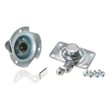
- Idler pulley WE12X81 (keeps tension on the belt)
- Bearing WE3X75 (supports drum movement)
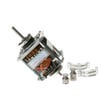
- Motor WE17X10010 (drives the drum and blower)
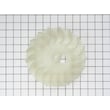
- Blower wheel WE16M15 (moves air through the drum and vent)
Symptom-to-likely-cause guide
| Symptom | Most likely area | What to check next |
|---|---|---|
| Long dry times | Airflow/venting | Vent duct, outside hood, blower wheel |
| No heat | Power or heater circuit | Breaker, terminal block, heater circuit components |
| Drum not turning | Drive system | Belt path, idler pulley, motor |
| Loud squeal/grind | Drum support | Bearing, idler pulley |
Why it matters
Airflow problems are the root cause behind many dryer complaints because restricted venting increases drying time, raises operating temperatures, and can lead to repeated part failures in the heating and drive systems.
Last updated: January 2026
Is a 7.3 cubic foot dryer big?
Yes. A 7.3 cubic foot dryer is considered a large-capacity size; it holds bigger loads and bulky items with fewer cycles. For a GE electric dryer like model DDE7500GAL, that capacity is typically a strong fit for families and frequent laundry.
What “7.3 cu. ft.” means in real use
A larger drum helps clothes tumble more freely, which can improve drying performance when you avoid overloading.
- Handles bulky items (comforters, blankets, winter coats) more comfortably than mid-size drums
- Lets you dry more towels or jeans in one load
- Reduces the number of loads per week for many households
- Helps prevent tight packing that can cause damp spots
- Works best when the lint screen and venting are kept clear
Quick capacity comparison
| Dryer capacity | Typical label | Best for |
|---|---|---|
| 5.0 to 6.5 cu. ft. | Standard | Singles, couples, smaller loads |
| 6.6 to 7.2 cu. ft. | Large | Most households, mixed laundry |
| 7.3 cu. ft. and up | Extra-large | Families, bulky items, fewer loads |
Why it matters
Capacity affects how often you run the dryer and how evenly items dry. Even with a large drum, airflow is still the key; if drying takes too long, check lint buildup and vent restriction using guidance like dryer takes a long time to dry.
Tips to get the best results from a large-capacity dryer
- Fill the drum loosely; stop short of packing it full
- Mix similar fabrics and weights in the same load
- Use timed dry for very heavy items if auto cycles end too soon
- Clean the lint screen every load and wash it periodically to remove residue
- If you hear squealing or thumping, inspect drum support and belt-drive components such as the idler pulley WE12X81
Last updated: January 2026
What is the lifespan of a GE dryer?
A GE electric dryer like model DDE7500GAL typically lasts about 10 to 13 years with normal household use. Keeping airflow strong (lint screen and venting) and fixing early wear items helps you reach the upper end of that range.
Typical lifespan and what changes it
Most dryers fail early because of heat and airflow stress, or because moving parts wear out.
- Normal household use: 10 to 13 years
- Light use and strong maintenance: up to about 15 years
- Heavy use (large loads, frequent cycles): closer to 8 to 10 years
Maintenance that extends dryer life
These steps reduce overheating, shorten dry times, and protect the motor and drum support parts.
- Clean the lint screen every load.
- Clean the exhaust duct and outside vent hood at least yearly (more often with pets).
- Avoid overloading; heavy loads strain the drum support and drive system.
- Keep the dryer level so the drum rides evenly on supports.
- Stop using the dryer if you smell burning or hear grinding; address it before more parts wear.
Common wear parts that affect longevity
If your DDE7500GAL is noisy, slow to dry, or struggles to start, these are common suspects.
| Symptom | Common cause | Example part for this model |
|---|---|---|
| Squealing or rumbling | Worn drum support components | Bearing WE3X75 |
| Dryer runs but airflow is weak | Damaged blower wheel | Blower wheel WE16M15 |
| Humming, hard start, or no tumble | Worn drive motor | Motor WE17X10010 |
| Thumping or belt slack symptoms | Worn idler pulley | Idler pulley WE12X81 |
Why it matters
A dryer that takes longer to dry usually runs hotter and longer, which shortens the life of the motor, blower, and drum support system. Good airflow and quick repairs are the simplest way to protect the dryer.
For more maintenance habits that reduce wear, use our how to keep a dryer clean and economical guide.
Last updated: January 2026






