Owner’s manual
 Error Codes


What is the most common problem with Samsung refrigerators?
The most common problems we see on Samsung refrigerators like model RF28HFEDBSR are cooling performance issues and ice maker troubles. These usually trace back to airflow problems (evaporator fan), defrost/drain icing, or temperature sensing and control components. See the RF28HFEDBSR owner's manual for model-specific operating checks and settings.
Most common symptoms customers notice
- Fresh food section gets warm while the freezer seems OK
- Ice maker stops producing ice or makes small/hollow cubes
- Frost or ice buildup behind interior panels
- Water under the crisper drawers or on the freezer floor
- Unusual fan noise, buzzing, or intermittent clicking
Common causes and the parts that often relate
On RF28HFEDBSR, these issues commonly connect to a few systems: airflow, defrost, and water supply.
| Symptom | Most likely system | Example part to check/replace |
|---|---|---|
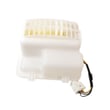
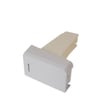
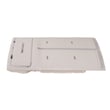
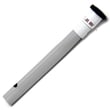
| Warm fridge, freezer OK | Fresh food airflow | Samsung refrigerator fresh food evaporator cover assembly DA97-12608A |
| Frost buildup, warming | Defrost system | Refrigerator defrost heater DA47-00244U |
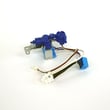
| Ice maker not filling | Water supply | Refrigerator water inlet valve DA62-04027A |
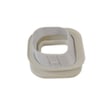
| Ice clumping, chute icing | Dispenser sealing | Refrigerator dispenser ice chute cap and gasket assembly DA97-12594A |
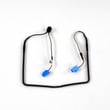
| Temps swing, odd readings | Temperature sensing | Refrigerator temperature sensor DA32-10104N |
Quick checks we recommend before replacing parts
- Confirm temperature settings are at normal targets (about 37°F fridge, 0°F freezer).
- Make sure vents inside the refrigerator are not blocked by food packages.
- Inspect door gaskets for gaps, rips, or areas not sealing evenly.
- If you see ice buildup, do a full manual defrost (unplug and leave doors open) to restore airflow temporarily.
- For ice maker issues, verify the water line is on and household water pressure is strong.
Why it matters
Cooling and ice maker problems often share the same root cause: restricted airflow or icing. When airflow drops, the refrigerator runs longer, temperatures drift, and the ice maker can stop cycling or produce poor-quality ice.
For step-by-step troubleshooting and repair guidance, we recommend our DIY article why your Samsung fridge stopped making ice and how to fix it. You can also order model-matched replacement parts from this page or search by model on Sears PartsDirect.
Last updated: February 2026
What's the average lifespan of a Samsung fridge?
Most Samsung refrigerators, including the Samsung RF28HFEDBSR, typically last 10 to 14 years with normal household use. Regular maintenance (cleaning coils, keeping doors sealing well, and fixing ice and water issues early) helps you reach the high end of that range.
Typical lifespan and what to expect
Refrigerator lifespan depends more on usage and maintenance than the badge on the door. Here is a practical guideline we use for planning repairs:
| Appliance | Typical lifespan | What usually ends it |
|---|---|---|
| Refrigerator (most brands) | 10 to 14 years | Sealed system or compressor issues, repeated cooling failures |
| Samsung French door/bottom-mount | 10 to 14 years | Ice maker and airflow issues, sensor or fan problems |
What shortens (or extends) fridge life
These are the biggest factors that affect how long a Samsung fridge runs reliably:
- Dirty condenser coils: forces longer run times and higher heat load
- Poor door sealing: warm air intrusion causes frost, moisture, and extra compressor run time
- Restricted airflow: overpacking shelves or blocked vents reduces cooling efficiency
- Ice maker and dispenser problems: leaks, clogs, and freezing can create secondary damage
- Delayed repairs: a small fan or sensor issue can turn into chronic temperature swings
Maintenance that pays off
We recommend these habits for the RF28HFEDBSR to maximize lifespan and reduce breakdowns:
- Vacuum and brush condenser areas periodically (more often with pets)
- Keep door gaskets clean and check for gaps or tearing
- Replace the water filter on schedule; use the correct filter for this model
- Confirm freezer and fresh food temps stay stable (use a thermometer)
- Address unusual noises quickly (often a fan or ice-related issue)
For model-specific care and cleaning intervals, follow the RF28HFEDBSR owner's manual.
Parts that commonly support a longer service life
If you are maintaining or repairing cooling and ice performance, these parts are often involved:
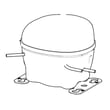
- Samsung refrigerator compressor MKV190CL2BASH (compressor)
- Refrigerator temperature sensor DA32-10104N (temperature feedback to controls)
- Refrigerator water filter DA29-00019A (water quality and flow to ice maker/dispenser)
Why it matters
A refrigerator that is running warm, frosting up, or struggling to make ice usually runs longer and harder. That extra run time increases wear on the compressor, fans, and control components, which can shorten overall lifespan.
If your ice production has slowed or stopped, our troubleshooting steps in why your Samsung fridge stopped making ice and how to fix it can help you pinpoint the cause before it becomes a bigger cooling problem.
Last updated: February 2026
What is the difference between force defrost RD and FD?
On Samsung refrigerator model RF28HFEDBSR, RD (refrigerator defrost) is used to defrost the fresh food evaporator area, while FD (forced defrost) runs a broader defrost routine used to clear heavier frost that can affect cooling airflow and ice-making. For the exact key sequence and display behavior, use the RF28HFEDBSR owner's manual.
RD vs. FD at a glance
- RD: Targets the refrigerator (fresh food) evaporator and its air passages.
- FD: More comprehensive defrost intended to clear frost affecting multiple areas, including freezer and ice-related airflow.
- Use RD when: Fresh food temps rise, airflow is weak in the refrigerator section, or frost is behind the fresh food evaporator cover.
- Use FD when: Ice room or freezer airflow is impacted, ice maker area is icing up, or frost returns quickly after normal operation.
Quick comparison
| Mode | Primary target | Best for | Typical outcome |
|---|---|---|---|
| RD | Fresh food evaporator | Localized refrigerator-side frost | Faster refrigerator airflow recovery |
| FD | Broader system defrost | Deeper frost affecting freezer and ice-making | More complete frost clearing |
Checks to do before and after a forced defrost
- Make sure doors close fully and gaskets seal; air leaks drive frost.
- Keep vents clear; blocked vents mimic defrost failure.
- If you see water pooling or ice sheets, clear the drain path.
- After defrosting, monitor temperatures for 24 hours.
Why it matters
Using RD for a refrigerator-side frost issue restores airflow quickly. Using FD when the ice room or freezer is involved clears frost more thoroughly; repeat icing after FD points to an airflow, sealing, drain, or defrost-component problem.
Parts often involved when frost returns
| Symptom | Common part to check |
|---|---|
| Frost not melting | Refrigerator defrost heater DA47-00244U |
| Erratic temps or defrost timing | Refrigerator temperature sensor DA32-10104N |
| Water/ice buildup from poor draining | Refrigerator drain cap DA67-01301A |
You can order parts from the model parts list, or search by part number on Sears PartsDirect.
Last updated: February 2026