Owner’s manual
 Error Codes


Are GE side-by-side refrigerators good?
GE side-by-side refrigerators like model GSH25SGRESS are a solid choice for everyday use because they typically offer dependable cooling, easy access to fresh and frozen foods, and convenient features like an in-door ice and water dispenser. For the best results, correct installation clearances and routine maintenance matter most (see the owner's manual).
What “good” usually means for a side-by-side
A side-by-side refrigerator is considered a good fit when it matches your kitchen layout and how you store food.
- Narrow door swing compared to many French-door models, which can help in tighter kitchens
- Eye-level access to both refrigerator and freezer sections
- In-door dispenser convenience for ice and filtered water (when equipped)
- Adjustable shelves and door bins for flexible organization
- Consistent temperatures when airflow is not blocked and doors seal well
Installation and setup factors that affect performance
Even a great refrigerator can seem “bad” if it is installed too tight or in the wrong location. For GSH25SGRESS, typical guidance includes:
| Setup item | What to aim for | Why it matters |
|---|---|---|
| Side clearance | About 1/8 inch | Helps with fit and airflow |
| Top clearance | About 1 inch | Improves ventilation |
| Back clearance | About 1 inch | Protects airflow and water line routing |
| Room temp | Above 60°F | Helps the unit run often enough to cool properly |
Common maintenance that keeps them “good” long-term
These are the most common upkeep items that protect cooling, ice production, and water flow.
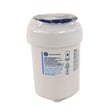
- Replace the water filter on schedule; use the correct filter for this model such as the refrigerator water filter MWFP
- Reset the water filter indicator (if your control has a reset pad)
- Keep vents clear inside both compartments so cold air can circulate
- Make sure doors close fully and gaskets seal all the way around
- If ice or water is slow, check for a restricted filter or a supply issue at the valve
Why it matters
Most “refrigerator quality” complaints come down to airflow, temperature stability, and dispenser performance. When clearances are correct and wear items like filters are kept up, GE side-by-side refrigerators generally deliver reliable day-to-day cooling and convenience.
Last updated: February 2026
What is the average lifespan of a GE refrigerator?
A GE refrigerator typically lasts 10 to 15 years. With steady maintenance (clean condenser coils, good door seals, correct temperatures), many units reach the upper end of that range before major sealed-system repairs become more likely. For model-specific care details, use the owner's manual.
Typical lifespan ranges (what to expect)
Most modern side-by-side refrigerators like GE GSH25SGRESS fall into these practical ranges:
| Condition | Typical lifespan | What usually ends it |
|---|---|---|
| Average use, basic upkeep | 10 to 12 years | Cooling performance decline, fan or control issues |
| Good maintenance, stable environment | 12 to 15 years | Wear on compressor-related components, defrost problems |
| Heavy use, poor airflow/dirty coils | 7 to 10 years | Overheating, longer run times, premature component failure |
Maintenance that extends life
We recommend these habits to help your GE side-by-side run longer and more efficiently:
- Vacuum and brush the condenser area regularly to keep airflow strong.
- Keep door gaskets clean and sealing; warm air leaks force longer run times.
- Set temperatures to safe, steady targets (avoid frequent big adjustments).
- Replace the water filter on schedule to protect water flow and ice maker fill.
- Avoid overpacking; blocked vents reduce cooling and increase frost.
Common “wear items” that affect longevity
A refrigerator often feels “old” when a few serviceable parts start acting up. For this model, common examples include:
- Refrigerator water filter MWFP (restricted flow can affect dispenser and ice maker performance)
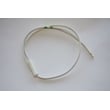
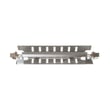
- Refrigerator defrost heater WR51X10055 (defrost failures can lead to frost buildup and warm temps)
- Refrigerator defrost thermostat WR50X10068 (can prevent proper defrost cycling)
- Refrigerator temperature sensor WR55X10025 (can cause temperature swings or long run times)
Why it matters
A refrigerator that runs longer than normal, makes new noises, or struggles to hold temperature is often working harder than it should. That extra run time increases wear on cooling components and can shorten overall lifespan. The manual also notes that newer, high-efficiency compressors can sound different and may run longer during normal operation, especially with frequent door openings.
Last updated: February 2026
What is the most common problem with a GE refrigerator?
The most common GE refrigerator complaint is not cooling well enough (fresh food warm, freezer warming, or temperatures swinging). On the GE GSH25SGRESS, many “not cooling” calls trace back to airflow issues, doors left ajar, or a defrost-related problem that lets frost build up and restrict circulation; our owner's manual walks through the first checks.
Most common symptoms we see (and what they usually point to)
- Refrigerator or freezer not cold enough: controls set wrong, frequent door openings, door not sealing, or restricted airflow
- Runs a long time or cycles often: normal after plugging in, hot weather, doors opened often, or controls set too cold
- Ice maker not making ice: water supply off, freezer too warm, cubes jammed, or filter restriction
- Strange noises: many hums, clicks, and whooshing sounds are normal compressor and pressure-equalizing sounds
- Door not closing: gasket sticking or folding over on the hinge side
Quick checks before replacing parts
- Give it time after power loss or first plug-in: allow 24 hours to fully cool.
- Confirm doors seal and close: remove packages that hold the door open; check for gasket sticking.
- Verify temperature settings: adjust one step colder if temps are high.
- Check ice maker basics: make sure the ice maker is on; clear jammed cubes in the bin.
- If ice is small or hollow: replace a clogged filter with the correct cartridge.
Common “not cooling” parts that can be involved
If the basics check out and temperatures still drift, these model-compatible parts are commonly involved in cooling and defrost performance:
| Symptom | What to inspect | Example part for GSH25SGRESS |
|---|---|---|
| Frost buildup, warm temps | Defrost system | Refrigerator defrost heater WR51X10055 |
| Frost buildup, warm temps | Defrost thermostat | Refrigerator defrost thermostat WR50X10068 |
| Temps swing or read wrong | Temperature sensing | Refrigerator temperature sensor WR55X10025 |
| Small/hollow ice, slow fill | Water filter restriction | Refrigerator water filter MWFP |
Why it matters
When a GE side-by-side is not cooling, food safety and compressor run time are the big concerns. Simple fixes like correcting settings, improving door sealing, and restoring airflow often solve the problem without major repair.
Last updated: February 2026