Owner’s manual
 Error Codes


How many cubic feet is my Kenmore refrigerator model 79572183211?
Your Kenmore Elite refrigerator model 79572183211 has a total capacity of 22.5 cubic feet. You can confirm the exact listed capacity (and the refrigerator vs. freezer breakdown) in the specifications section of the 79572183211 owner's manual.
Where to find the capacity in the manual
Look in the specs pages; capacity is usually listed as total volume and may also be split by compartment.
- Open the Specifications or Product specifications section
- Find Total capacity (listed in cu. ft.)
- Check for separate refrigerator and freezer capacity values
- Use the exact model number 79572183211 from the rating label inside the fresh food section
- Keep the capacity handy when shopping for storage parts (bins, drawers) and accessories
Quick reference
| Model number | Refrigerator type | Total capacity |
|---|---|---|
| 79572183211 | Bottom-mount refrigerator | 22.5 cu. ft. |
Why it matters
Capacity helps us match the right-fit parts and accessories for your Kenmore refrigerator, especially storage components and filtration items. If you are maintaining water and ice performance, using the correct filter such as the genuine Kenmore refrigerator water filter 9690 AGF80300801 supports normal flow and taste.
Last updated: February 2026
What are the common problems with Kenmore Elite refrigerators?
For Kenmore Elite model 79572183211, the most common problems we see are cooling issues (often tied to airflow or sealed-system components), ice maker and dispenser failures, and control or sensor problems that cause erratic temperatures. Use the 79572183211 owner's manual to match symptoms to the correct checks.
Most common symptoms and what they usually point to
- Not cooling or warm fridge/freezer: dirty condenser area, failed evaporator fan, frost buildup from a defrost problem, or a sealed-system issue (compressor/evaporator)
- Ice maker not making ice: water supply restriction, frozen fill path, failed ice maker module
- No water from dispenser or slow flow: clogged filter, kinked line, low house water pressure
- Frost buildup or thawing/freezing swings: defrost sensor/heater circuit issues, door not sealing
- Unusual noises: fan blade hitting ice, failing fan motor, compressor noise changes
Quick checks we recommend before replacing parts
- Confirm settings: fridge about 37°F, freezer about 0°F.
- Clean airflow: keep vents clear; do not pack food tightly against rear vents.
- Check door seal: close a dollar bill in the gasket; it should resist pulling out.
- Inspect for frost on the freezer back panel (a heavy frost pattern often signals a defrost issue).
- If water or ice is weak, replace the filter and purge air from the line.
Parts that commonly solve these problems on model 79572183211
| Symptom | Common fix | Example part for this model |
|---|---|---|
| Slow water, bad taste/odor | Replace water filter | Genuine Kenmore refrigerator water filter 9690 AGF80300801 |
| Odors in fresh food section | Replace air filter | Lg refrigerator air filter ADQ73214408 |
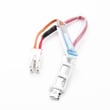
| Frost buildup, temp swings | Test/replace defrost sensor | Refrigerator defrost sensor assembly 6615JB2005R |
| No ice production | Replace ice maker assembly | Ice maker assembly AEQ73110203 |
Why it matters
Catching airflow, filter, and door-seal problems early prevents temperature swings that spoil food and overwork the compressor. That reduces repeat failures in the ice maker, sensors, and control system.
Helpful DIY references
- Kenmore 795 model bottom freezer refrigerator error codes
- How to replace the water filter in a Kenmore refrigerator
Last updated: February 2026
What does DH mean on Kenmore Elite refrigerator?
On Kenmore Elite refrigerator model 79572183211, DH typically indicates a defrost heater (defrost heating) problem. In most cases, the refrigerator is not heating properly during the defrost cycle, which can lead to frost buildup on the evaporator and warm temperatures in the fresh food section.
What you’ll notice when DH is showing
- Frost or ice buildup on the rear freezer panel
- Refrigerator section warming up while the freezer seems “okay” at first
- Fan noise changing, or airflow from vents getting weak
- Ice maker slowing down or stopping
- Water leaking or puddling from defrost drain overflow after heavy frost
Most common causes (and what to check first)
We recommend starting with the easiest checks before testing electrical components.
- Power reset: Unplug the refrigerator for 5 minutes, then restore power.
- Airflow and doors: Make sure vents are not blocked and doors seal tightly.
- Heavy frost check: Look for a thick frost blanket behind the freezer’s rear panel.
- Defrost sensor: A failed sensor can prevent proper defrost operation; for this model, see refrigerator defrost sensor assembly 6615JB2005R.
- Control and wiring: Loose connectors or a failed control board can stop power from reaching the heater.
Quick troubleshooting map
| What you see | What it usually points to | What we do next |
|---|---|---|
| Thick frost behind freezer panel | Defrost system not working | Check sensor, heater circuit, wiring |
| No heavy frost but DH persists | Sensor or control issue | Inspect connectors, test sensor |
| Warm fridge, weak airflow | Frost blocking evaporator | Defrost system diagnosis |
Why it matters
The defrost system keeps the evaporator from icing over. When it fails, airflow drops and the refrigerator section warms up even though the compressor is running, which can put food at risk.
Helpful references for this model line
- For model-specific diagnostics and display behavior, use the 79572183211 manual.
- If your display is showing an error related to defrost on Kenmore 795 models, compare symptoms with Kenmore 795 model bottom freezer refrigerator error codes.
Last updated: February 2026
What is the average lifespan of a Kenmore Elite refrigerator?
Most Kenmore Elite refrigerators, including model 79572183211, last 12 to 15 years with normal household use. Keeping airflow clear, cleaning the condenser area, and staying on top of filter changes helps the sealed system and fans run cooler and last longer; see the 79572183211 owner's manual for model-specific care steps.
What affects lifespan the most
- Condenser cleanliness and ventilation: dust buildup and tight clearances raise operating temperatures.
- Door seal condition: warm air leaks force longer run times.
- Ice maker and water system health: leaks and restrictions can create repeat service issues.
- Defrost performance: heavy frost can reduce cooling and strain the compressor.
- Power quality: frequent outages or surges shorten control and compressor life.
Maintenance schedule we recommend
| Task | How often | Why it helps |
|---|---|---|
| Replace water filter | Every 6 months (typical) | Protects water flow and taste; reduces dispenser strain |
| Replace air filter (if equipped) | Every 6 months (typical) | Helps control odors and keeps airflow fresher |
| Clean condenser area and ensure airflow | Every 6 to 12 months | Lowers compressor workload |
| Check door gaskets for gaps/tears | Every 3 to 6 months | Prevents warm air infiltration |
Parts that commonly support long life
If you are maintaining water and airflow systems on model 79572183211, these are common wear items:
- Lg refrigerator air filter ADQ73214408 to help reduce odors and keep air moving cleanly
- Genuine Kenmore refrigerator water filter 9690 AGF80300801 to maintain dispenser and ice maker flow
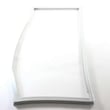
- Refrigerator door gasket, right ADX72930461 if the door is not sealing tightly
Why it matters
A refrigerator that runs warmer or longer than normal wears out the compressor, evaporator fan, and controls faster. Simple upkeep (filters, seals, and airflow) reduces run time and helps you reach the typical 12 to 15-year lifespan.
Last updated: February 2026
Where is the model number on a Kenmore Elite fridge?
On Kenmore Elite model 79572183211, the model number is printed on a rating label that’s typically inside the fresh food compartment (often on a side wall or near the crisper area) or on the cabinet frame behind a door. Check a few common spots listed in the 79572183211 owner's manual.
Most common places to check
Look for a white or silver sticker or plate with the model number and serial number.
- Inside the refrigerator compartment on the left or right interior wall
- On the cabinet frame just inside the refrigerator door opening
- Behind or near the lower crisper drawers (side wall or back wall)
- Inside the freezer compartment on an interior wall (less common)
- Behind the toe grille (kick plate) at the bottom front (occasionally)
Quick tips to find it faster
- Use a flashlight; labels can be low and easy to miss.
- Remove the lower crisper drawers if they block the label area.
- Wipe condensation or dust off the label so the numbers are readable.
- Write down the full model number exactly as shown; for parts lookup, every digit matters.
What the label usually includes
| Label item | What it’s used for | Why you need it |
|---|---|---|
| Model number | Identifies the exact refrigerator design | Ensures parts fit Kenmore Elite 79572183211 |
| Serial number | Identifies production run | Helps match revisions and service info |
| Electrical ratings | Voltage and amperage info | Useful for safe troubleshooting |
Why it matters
We use the model number to match the correct Kenmore parts and diagrams for your bottom-mount refrigerator, especially for fit-critical items like a door gasket, ice maker assembly, or water filter.
Last updated: February 2026
Why is my Kenmore Elite refrigerator leaking water out of the bottom?
Water leaking from the bottom of your Kenmore Elite refrigerator model 79572183211 is usually caused by a clogged defrost drain that overflows into the base, or a water supply leak from the dispenser/ice maker line. Less often, a door seal problem creates heavy frost that later melts and spills.
Quick checks we recommend first
- Look for a sheet of ice or standing water under the crisper drawers (often points to a defrost drain issue).
- Check the water filter area and tubing connections for drips.
- Inspect the freezer floor for ice buildup (meltwater can run forward and out).
- Confirm the refrigerator is level; a forward tilt can encourage water to run out the front.
- Check door gaskets for gaps that cause excess frost and meltwater.
Most common causes and what to do
1) Clogged defrost drain
When the drain clogs, defrost water cannot reach the drain pan and instead spills into the cabinet and out the bottom.
What to do
- Unplug the refrigerator.
- Remove items from the freezer bottom and look for ice around the drain trough.
- Melt the ice with warm water (a turkey baster works well) until water flows freely.
- Clear debris from the drain opening; then flush again.
2) Dispenser or ice maker water line leak
A cracked line or loose fitting can drip steadily and collect under the unit.
What to check
- Inspect the refrigerator water tubing MJU62070602 for splits, kinks, or rubbed-through spots.
- Check the tubing connections at the filter head and where the line routes through the cabinet.
3) Door seal letting in humid air
Warm, humid air creates frost; during defrost, extra meltwater can overwhelm normal drainage.
What to do
- Clean the gasket sealing surfaces.
- If the right fresh food door gasket is torn or warped, replace the refrigerator door gasket, right ADX72930461.
Symptom-to-cause guide
| What you see | Most likely cause | Best next step |
|---|---|---|
| Water under crispers | Clogged defrost drain | Thaw and flush drain |
| Water only when dispenser used | Tubing/fitting leak | Inspect tubing and connections |
| Ice sheet on freezer floor | Drain frozen/clogged | Thaw drain area |
| Condensation, heavy frost | Door not sealing | Clean/replace gasket |
Why it matters
Bottom leaks can damage flooring and also signal airflow or defrost drainage problems that lead to warm temperatures, ice buildup, and poor ice maker performance.
Helpful reference
Use the 79572183211 owner’s manual for the exact locations of the drain area, filter housing, and access panels on your refrigerator.
Last updated: February 2026
Why is my Kenmore bottom freezer fridge not cooling?
If your Kenmore Elite refrigerator model 79572183211 is not cooling, the most common causes are poor airflow (evaporator fan or blocked vents), a defrost failure that frosts over the evaporator, or dirty condenser coils that cannot release heat. Use the 79572183211 owner's manual to locate components and follow the model’s checks.
Quick checks we recommend first
- Confirm the refrigerator is getting power and the interior lights turn on.
- Set temperatures to typical targets: 37°F fresh food, 0°F freezer.
- Make sure air vents inside both compartments are not blocked by food packages.
- Listen for the evaporator fan (usually a steady fan sound when the door switch is held closed).
- Check the condenser area for dust buildup and clean it.
- Look for heavy frost on the rear freezer panel (a strong sign of a defrost problem).
What usually fails (and what it looks like)
| Symptom | Most likely area | What you’ll notice |
|---|---|---|
| Freezer cold, fridge warm | Airflow/damper issue | Weak air coming into fresh food section |
| Both sections warm, compressor running | Condenser airflow/coil issue | Hot cabinet sides, long run times |
| Gradual warming, then no airflow | Defrost system issue | Frost blanket behind freezer panel |
| Clicking, no steady running | Start/relay or compressor issue | Repeated click every few minutes |
Parts that commonly relate to “not cooling” on this model
These are model-matched parts we often see involved in cooling complaints:
- Refrigerator condenser coil ACG73645004 (dirty or restricted coils reduce heat transfer)
- Refrigerator evaporator ADL73341411 (frosted over or leaking can stop cooling)
- Refrigerator defrost sensor assembly 6615JB2005R (bad sensing can contribute to defrost failures)
- Refrigerator compressor TCA38091801 (if not pumping refrigerant, both sections warm)
Why it matters
Cooling problems usually start as an airflow or maintenance issue and then turn into food-safety risk and higher energy use. Catching frost buildup, blocked vents, or dirty coils early prevents longer run times and temperature swings.
Last updated: February 2026