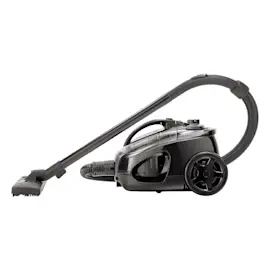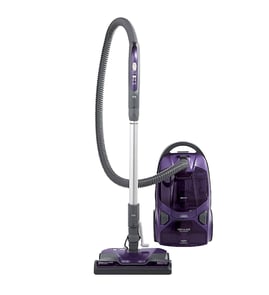

What is the highest rated canister vacuum?
There is no single “highest rated” canister vacuum for every home; the top pick depends on your flooring, pets, allergies, and whether you prefer bagged or bagless. For your Eureka model 3120 canister vacuum, we recommend using the same criteria to compare suction, filtration, and tool set across current best-rated models.
What “highest rated” usually means (and what to compare)
When reviewers rank canister vacuums, they typically score these factors:
- Cleaning performance on carpet vs. hard floors
- Filtration (HEPA-level sealing is best for allergies)
- Bagged vs. bagless convenience and ongoing cost
- Attachments (crevice tool, upholstery tool, powered nozzle)
- Maneuverability (hose reach, swivel, weight, cord length)
- Noise level and overall build quality
Bagged vs. bagless: quick comparison
| Feature | Bagged canister | Bagless canister |
|---|---|---|
| Dust handling | Cleaner disposal | More contact with dust |
| Ongoing cost | Bags and filters | Filters (and bin upkeep) |
| Allergy-friendly | Typically better | Depends on sealing |
| Maintenance | Bag changes | Frequent bin cleaning |
How to choose the best-rated canister for your home
Use this checklist to match “highest rated” to your needs:
- Mostly hard floors: prioritize a hard-floor tool and strong airflow
- Wall-to-wall carpet: prioritize a powered nozzle (motorized brush)
- Pets: prioritize anti-tangle brush design and strong upholstery performance
- Allergies/asthma: prioritize sealed HEPA filtration and bagged design
- Stairs/small spaces: prioritize lighter canister weight and long hose reach
Why it matters
A canister vacuum can be “top rated” overall but still be a poor fit if it lacks the right floor nozzle, filtration level, or pet-hair tools. Matching features to your home usually matters more than the brand name.
Helpful next step
If you are comparing models or ordering maintenance items, confirm you are using the exact model number from the rating label on your vacuum. Our guide, how to find your appliance model number (and what it means for parts), shows where to look and why it matters.
Last updated: February 2026
How to choose a canister vacuum cleaner?
Choosing a canister vacuum cleaner comes down to matching suction, filtration, and tool set to your floors and how you clean. For homes with mixed flooring, we recommend a model with strong airflow, a sealed filtration path (HEPA if allergies matter), and a powered floor nozzle for carpet.
What to compare first
- Floor type support: powered brush for carpet, hard-floor tool for tile/wood
- Filtration: sealed system plus HEPA-style filtration for allergy and dust control
- Bagged vs. bagless: bagged is cleaner to empty; bagless avoids ongoing bag purchases
- Weight and handling: canister weight, hose swivel, and how easily it follows you
- Cord and hose reach: longer reach means fewer outlet changes
- Noise: quieter units are typically under about 85 dB
Quick decision guide (most common needs)
| Your home or priority | What to look for | Why it helps |
|---|---|---|
| Mostly carpet | Powered floor nozzle, height adjustment | Lifts embedded debris better |
| Mostly hard floors | Soft bristles, suction control | Prevents scatter and scratches |
| Pets | Mini turbo tool, strong airflow | Pulls hair from upholstery and edges |
| Allergies | Sealed filtration, HEPA filter | Reduces fine dust blow-by |
| Stairs | Lightweight wand, stable canister | Easier carry and control |
Specs that matter (and what “good” looks like)
- Suction and airflow: prioritize real-world pickup over marketing numbers; strong airflow at the nozzle is what moves debris.
- Dust capacity: larger capacity is better if you vacuum often or have pets.
- Attachments: crevice tool, dusting brush, upholstery tool, and a powered mini tool cover most homes.
Why it matters
A canister vacuum that matches your flooring and filtration needs cleans faster, keeps dust contained, and reduces wear on rugs and hard floors. If you are shopping for parts or comparing compatibility for the Eureka model 3120, start by confirming the exact model tag details using how to find your appliance model number (and what it means for parts).
Last updated: February 2026
What are the disadvantages of a canister vacuum?
Canister vacuums like the Eureka 3120 clean very well, but the tradeoffs are storage space, extra handling (hose, wand, and canister), and more effort moving the canister behind you, especially on stairs. They can also bump furniture and need more frequent bag or bin attention.
Common disadvantages (what you will notice day to day)
- Bulkier storage: you store a canister body plus hose, wand, and floor nozzle.
- More to maneuver: the canister follows you and can snag on corners or doorways.
- Stairs are harder: you often carry the canister while managing the hose and wand.
- Can bump walls and furniture: the rolling canister can scuff baseboards if you pull too fast.
- More setup and breakdown: swapping tools and managing hose wrap takes time.
- Bag or dust cup maintenance: many canisters need more frequent emptying or bag changes than larger uprights.
Upright vs. canister: quick comparison
| Feature | Canister vacuum (Eureka 3120 style) | Upright vacuum |
|---|---|---|
| Storage footprint | Larger, multiple pieces | Usually one main piece |
| Stairs | Awkward, can require lifting | Often easier to carry as one unit |
| Under-furniture reach | Typically better with wand | Depends on design |
| Risk of bumping surfaces | Higher (canister trails behind) | Lower (single body) |
When a canister vacuum is the wrong fit
A canister is usually less convenient if your home has:
- Mostly wall-to-wall carpet on one level
- Tight hallways with lots of corners
- Multiple flights of stairs you vacuum often
Why it matters
These drawbacks affect how often you actually use the vacuum. If storage, stairs, or maneuvering are daily pain points, you may end up cleaning less frequently even if the suction performance is strong.
For more DIY ownership tips (tools, safety, and basic repair readiness), see are diy appliance repairs safe.
Last updated: February 2026
What is the point of a vacuum canister?
A canister vacuum (like the Eureka 3120) separates the motor unit from the cleaning head, so you get strong suction with a lighter, more maneuverable wand and floor nozzle. It is built to clean multiple surface types and reach under furniture and into tight spaces.
What a canister vacuum is designed to do
- Clean hard floors and area rugs with quick tool changes
- Reach under beds, sofas, and desks with a low-profile floor nozzle
- Make above-floor cleaning easier (stairs, upholstery, curtains) using a hose and attachments
- Improve maneuverability in tight rooms because the main body rolls behind you
- Reduce arm fatigue because you are not pushing the full motor unit across the floor
Why many people choose a canister over an upright
| Feature | Canister vacuum | Upright vacuum |
|---|---|---|
| Cleaning head weight | Lighter at the floor | Heavier at the floor |
| Under-furniture reach | Typically better | Often limited by body height |
| Stairs and upholstery | Typically easier with hose | Often requires lifting the unit |
| Storage footprint | Can be compact but longer | More vertical, often easier to park |
Tips to get the best performance from your Eureka 3120
- Keep airflow clear: check the hose, wand, and floor nozzle for clogs if suction drops.
- Match the tool to the job: use a floor tool for hard surfaces and a brush tool for delicate areas.
- Watch for seal issues: a loose hose connection or cracked fitting can reduce suction.
- Maintain filtration: a dirty filter can make the vacuum run hotter and pick up less.
Why it matters
The canister design puts the suction power in the rolling body while keeping the cleaning head small. That combination is what makes a canister vacuum effective for mixed flooring, tight spaces, and above-floor cleaning.
Related help: how to find your appliance model number (and what it means for parts)
Last updated: February 2026