


How do you reset a HealthRider treadmill?
To reset your Healthrider treadmill (model HRTL71830), power it fully off by unplugging it for 60 seconds, then plug it back in and try a normal start. If the console is still frozen or unresponsive, reseat the safety key and restart.
Quick reset steps (most common)
- Turn the treadmill OFF (if it has a switch) and unplug the power cord from the wall.
- Wait 60 seconds to let the console fully discharge.
- Plug the treadmill back in directly to a wall outlet (not a power strip).
- Insert the safety key fully and try Start.
- If the display is still locked up, remove the safety key for 10 seconds, reinstall it, and try again.
If it still will not reset
These checks fix the most common “won’t start” and “console stuck” issues on treadmills like the HRTL71830.
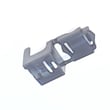
- Confirm the safety key is the correct one and sits flat on the console; replace it if it is cracked or loose using the assy,clip,ro 208603.
- Inspect the power cord for cuts, kinks, or a loose fit at the treadmill; replace if needed.
- Check that the cord is not pinched where it passes through the frame; a damaged grommet can cause intermittent power.
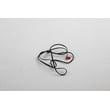
- If speed reads 0 or jumps around, inspect the speed sensor area; a failed sensor can prevent normal operation (see reed switch 185207).
- If the treadmill powers on but behaves erratically, inspect visible wiring connections for looseness or damage.
What “reset” can and cannot fix
A reset clears temporary console glitches (static, power blips, or a locked keypad). It will not correct a mechanical bind, a worn walking belt, or a failed electronic component.
| Symptom | Best next step | Likely area |
|---|---|---|
| No power at all | Try a different outlet; inspect cord and connections | Power supply path |
| Powers on, belt will not move | Check sensor and wiring | Speed sensing/control |
| Belt slips or hesitates under load | Inspect belt condition and tension | Walking belt/deck |
| Console freezes randomly | Reset; check wiring harness connections | Console wiring |
Why it matters
Resetting the treadmill the right way prevents repeated power cycling that can stress the console electronics, and it helps you quickly separate a simple control lockup from a safety key, wiring, or sensor problem.
Last updated: February 2026
Is it worth fixing my treadmill?
Yes, fixing a Healthrider HRTL71830 treadmill is worth it when the problem is maintenance-related (belt slip, noise, speed sensing) or the repair cost stays well below the price of a comparable replacement. If the motor or control board is failing and multiple issues are stacking up, replacement is usually the better value.
Quick decision checklist
- Fix it if the walking belt just needs lubrication, alignment, or tension adjustment.
- Fix it if the treadmill runs but the console speed is wrong or cuts out intermittently (often a sensor issue).
- Fix it if the unit is structurally solid (frame stable, deck not cracked) and you only have one clear failure.
- Replace it if the motor surges, smells hot, or trips breakers repeatedly.
- Replace it if you need multiple high-cost parts at once (motor, controller, deck, belt).
Common low-cost fixes that often pay off
These are the repairs we see most often on home treadmills like the HRTL71830:
| Symptom | Likely cause | Typical fix | Parts that may help |
|---|---|---|---|
| Belt hesitates or slips | Dry belt/deck, loose belt | Lubricate, adjust tension | Kit,wlk-blt, 219170 |
| Speed reads wrong or stops mid-workout | Sensor out of position or failed | Reposition or replace sensor | Reed switch 185207 |
| Treadmill will not start | Safety key missing/damaged | Replace safety key | Assy,clip,ro 208603 |
| Power cord feels loose at entry | Worn grommet, cord strain | Replace grommet or cord | Black & decker power cord grommet 173169, black & decker treadmill power cord 031229 |
Why it matters
A simple maintenance repair (especially belt lubrication and correct belt tracking) reduces friction and heat. That protects the drive system and helps prevent the expensive failures that usually make a treadmill not worth repairing.
What we recommend before buying parts
- Unplug the treadmill and remove the motor hood.
- Inspect for loose hardware, pinched wires, and belt dust buildup.
- Check belt tracking and tension; a misaligned belt can mimic motor problems.
- If you suspect an electrical issue, use a meter and follow safe testing practices in how to use a multimeter to test electrical parts video.
Last updated: February 2026
What is the average life expectancy of a treadmill?
Most home treadmills last 7 to 12 years with normal use and basic upkeep; commercial units typically run 10 to 15 years. For the Healthrider HRTL71830, consistent walking belt care and keeping wiring and fasteners tight are the biggest factors in reaching the high end of that range.
What affects treadmill lifespan the most
- Usage load: more miles, higher speeds, and heavier users increase wear on the walking belt and deck.
- Lubrication and friction control: a dry belt raises motor load and heat.
- Dust and debris: buildup around the motor area shortens electronics life.
- Belt alignment and tension: misalignment accelerates edge wear and can cause slipping.
- Electrical condition: damaged cords, loose connectors, and pinched harnesses cause intermittent shutdowns.
Practical maintenance that extends life
Use this checklist for the HRTL71830:
- Keep the belt centered; adjust rear roller bolts in small, equal turns.
- Lubricate the walking belt on schedule; use a treadmill-approved lubricant such as kit,wlk-blt, 219170.
- Vacuum dust from the motor hood area periodically (unplug first).
- Inspect the safety key and replace it if it is cracked or unreliable; use assy,clip,ro 208603.
- Check for loose hardware (nuts, washers, screws) and tighten as needed.
Quick guide: symptoms and what they usually mean
| Symptom | Common cause | What to check first |
|---|---|---|
| Belt slips under foot | Belt too loose or worn | Tension and belt condition |
| Burning smell or hot deck | High friction | Lubrication and belt alignment |
| Speed reads wrong or jumps | Sensor issue | Reed switch 185207 gap and wiring |
| Random power loss | Cord or connection issue | Black & decker treadmill power cord 031229 and harness routing |
Why it matters
A treadmill usually fails early from heat and friction (belt and deck) or intermittent electrical connections (cords, harnesses, sensors). Preventing those two issues is the most reliable way to get full service life from a home unit.
Last updated: February 2026
What is the average price for a treadmill?
Most home treadmills average about $800 to $1,500, with budget walking models often $300 to $800 and higher-end runner or commercial-style units commonly $1,500 to $3,000+. For a Healthrider HRTL71830, pricing depends more on condition and features than on parts availability.
Typical price ranges (what you get at each level)
- $300 to $800: basic console, smaller deck, lighter-duty motor; best for walking
- $800 to $1,500: sturdier frame, better cushioning, stronger motor; good for regular jogging
- $1,500 to $3,000+: larger running surface, higher continuous horsepower, heavier rollers, more incline options
- $3,000+: commercial-grade build, higher duty cycle, premium warranty and service support
What drives treadmill cost the most
Key specs and components that usually raise price:
- Motor power and duty rating (better for long runs and heavier users)
- Running belt and deck size (more room and stability)
- Incline system and frame rigidity (less flex, smoother feel)
- Console features (programs, heart-rate inputs, speakers, connectivity)
- Parts and maintenance needs over time (belt wear, lubrication, wiring)
Quick comparison table
| Price tier | Best for | Common tradeoffs |
|---|---|---|
| Budget ($300 to $800) | Walking, light use | Smaller deck, more vibration |
| Mid-range ($800 to $1,500) | Jogging, frequent use | Fewer premium console features |
| Premium ($1,500 to $3,000+) | Running, heavier use | Higher upfront cost |
Why it matters
Matching price to how you actually use the treadmill prevents common frustrations like belt slipping, overheating, or a deck that feels too short. If you are keeping an HRTL71830 running, routine items like lubrication and wear parts can be the difference between a smooth workout and repeated shutdowns.
If you are budgeting for upkeep, a common maintenance purchase is kit,wlk-blt, 219170, which supports regular walking belt lubrication.
Last updated: February 2026
What is the common problem with a treadmill?
The most common problems on the Healthrider HRTL71830 treadmill are walking belt issues (slipping, drifting, or hesitation) caused by incorrect belt tension, lack of lubrication, or debris buildup. Power and sensor problems are also common and can show up as sudden stops, speed surging, or a dead console.
Most common symptoms and what they usually mean
- Belt slips during use: belt tension is too loose or the walking belt is worn
- Belt drifts left or right: rear roller alignment is off
- Hesitation or jerky speed: dry deck, high friction, or a failing drive system
- Console turns on but speed is wrong: speed sensor/reed switch gap or wiring issue
- No power or intermittent power: damaged cord, loose connection, or internal electrical fault
Quick checks we recommend first (safe, no parts swapping)
- Unplug the treadmill and inspect the power cord for cuts, kinks, or a loose plug fit.
- Clean around the belt and deck edges (dust and pet hair increase friction).
- Check belt tracking at a slow speed; if it walks left/right, adjust rear roller bolts in small increments.
- Confirm the safety key is fully seated; a weak or missing key can mimic a “won’t run” problem.
- If speed readings are erratic, inspect the speed sensor area and consider the reed switch 185207.
Parts that commonly solve these problems on HRTL71830
| Problem you see | Common fix | Example part for this model |
|---|---|---|
| Belt feels dry, squeaks, or hesitates | Lubricate walking belt/deck | Kit,wlk-blt, 219170 |
| Belt slips even after adjustment | Replace walking belt | Belt,walk,ar 156437 |
| Treadmill stops when you step on it | Verify safety key and belt friction | Assy,clip,ro 208603 |
Why it matters
A slipping or misaligned belt increases friction and heat, which can shorten the life of the walking belt, deck, and motor control components. Keeping the belt clean, aligned, and properly lubricated prevents most “sudden stop” and “won’t maintain speed” complaints.
Last updated: February 2026
Who makes HealthRider treadmills?
Healthrider treadmills (including model HRTL71830) were made under the Healthrider brand by ICON Health & Fitness (commonly known today as iFIT’s manufacturing group). That means many Healthrider treadmill designs, consoles, and drive components follow ICON-style parts and service conventions.
What this means when you’re buying parts
Because Healthrider is tied to ICON/iFIT manufacturing, the most important step is matching parts to your exact model number and revision.
- Use the full model number HRTL71830 when searching parts
- Match the part by description and identifier, not just by “looks similar”
- Replace safety and electrical items with the correct OEM-style part
- Keep hardware (washers, nuts, screws) matched to the original sizes and thread types
- If a treadmill symptom is intermittent, check wiring connections before replacing major assemblies
Common Healthrider (ICON-style) parts you may need on HRTL71830
Here are examples of parts we commonly see customers replace on this model page:
| Symptom | Likely area | Example part on this model page |
|---|---|---|
| Treadmill will not start or stops immediately | Safety key circuit | Assy,clip,ro 208603 |
| Speed reading drops out or is erratic | Speed sensor | Reed switch 185207 |
| Belt slips, hesitates, or needs routine care | Walking belt and lubrication | Belt,walk,ar 156437 |
Why it matters
Knowing Healthrider treadmills were produced by ICON/iFIT helps you troubleshoot smarter: many issues trace back to the safety key, sensor alignment, wiring harness connections, or walking belt maintenance rather than the console itself.
Last updated: February 2026