


How to find model number on Horizon treadmill?
On a Horizon T50 treadmill, the model number is printed on an ID label (rating plate) attached to the frame. We most often see it on the rear of the treadmill near the base, or under the motor hood; on folding units, it can also be under the deck when you lift it.
Where to look first (fastest checks)
- Back of the treadmill frame near the rear roller or base rail
- Under the motor hood (front cover area)
- Under the deck (lift the running deck on folding treadmills and check the frame)
- Upright/mast area near the lower frame junction
- Near the power cord entry or on the underside of the base
What the label looks like (and what to write down)
The label usually includes several identifiers. Record these exactly as shown:
| Label item | What it’s used for | Example format |
|---|---|---|
| Model number | Matches the correct parts list | T50 |
| Serial number | Helps confirm production run | Letters and numbers |
| Electrical rating | Confirms power requirements | Volts/amps |
Why it matters
Using the exact model number (and serial number when available) prevents ordering the wrong treadmill parts, especially for items like the console, motor controller, drive motor, and walking belt where revisions are common.
If the console powers up but you still cannot start the treadmill
If you are troubleshooting at the same time, follow our step-by-step checks in treadmill console powers up but the treadmill won't start.
Last updated: February 2026
Is it worth repairing a treadmill?
Yes, repairing a Horizon T50 treadmill is worth it when the fix is straightforward (belt adjustment, cleaning, lubrication) or when the total repair cost stays well below the price of a comparable new treadmill. Replacement makes more sense when the motor, motor controller, and deck are all worn and problems keep returning.
Quick decision checklist
- If the treadmill is otherwise stable and quiet, repair it.
- If the walking belt slips, drifts, or slows down, start with maintenance and adjustment.
- If the console powers up but the belt will not move, troubleshoot before buying major electronics.
- If you smell burning, see repeated breaker trips, or the motor surges, plan for a higher-cost repair.
- If multiple major parts are failing at once, replacement is usually the better value.
Typical repair cost vs. replace (rule of thumb)
| Situation | What it usually means | Best next step |
|---|---|---|
| Belt not centered or slipping | Adjustment or tension issue | Adjust and test |
| Belt slows under load | Friction, belt/deck wear, or drive control issue | Maintain, then diagnose |
| Console on, treadmill will not start | Safety key, wiring, sensor, or controller | Follow a start-up diagnosis |
| Frequent shutdowns, burning smell | Motor/controller stress | Diagnose motor and controller |
What we recommend checking first (low-cost wins)
- Verify the safety key is fully seated and the console is not in a paused program state.
- Inspect and reseat visible wiring connections at the console mast and lower frame.
- Check walking belt alignment and tension; over-tightening can damage the belt and drive system.
- Clean dust from the motor area and keep the deck surface maintained.
- Confirm the outlet is grounded and not shared with a heavy-load appliance.
Why it matters
A treadmill that is simply out of adjustment can feel “broken” but only needs basic maintenance. Catching belt friction and alignment issues early helps protect the drive motor and motor controller, which are the most expensive repairs on most treadmills.
Related DIY help
- Use our guide: how to maintain a treadmill
- If the console lights but it will not run: treadmill console powers up but the treadmill won't start
Last updated: February 2026
What are the parts of a treadmill called?
Most treadmills (including the Horizon T50) are built from a few main assemblies: the frame, drive system (motor and motor controller), running surface (walking belt, deck, and walking board), rollers, incline system, and console electronics. Knowing these names helps you troubleshoot and order the right replacement parts.
Common treadmill part names (and what they do)
- Frame and uprights: the structure that supports the deck and console
- Console and keypads: display, buttons, and user controls
- Safety key (magnet) and switch: stops the belt if the key is pulled
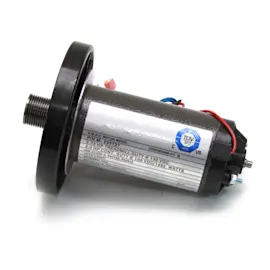
- Drive motor: turns the front roller to move the walking belt
- Motor controller (MCB): regulates motor speed and responds to console commands
- Walking belt: the moving belt you walk or run on
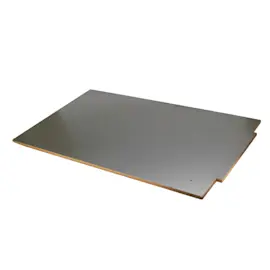
- Deck / walking board: the board under the belt that supports your stride
- Front and rear rollers: keep the belt tracking and provide tension adjustment
- Incline motor and lift frame: raises and lowers the deck for incline
- Wiring harnesses and sensors: connect components; speed sensor reports belt speed
Quick “name to symptom” guide
| If you notice this | Common part area to check first | Typical next step |
|---|---|---|
| Console lights up but belt will not move | Safety key, motor controller, drive motor | Verify safety key, then test controller/motor |
| Belt slips underfoot | Walking belt tension, rear roller | Adjust tension and re-check tracking |
| Belt drifts left or right | Rear roller alignment | Adjust tracking bolts in small increments |
| Belt slows down during use | Walking belt/deck friction, motor controller | Inspect belt/deck wear; check controller output |
Why it matters
Using the correct part names prevents ordering the wrong component and speeds up troubleshooting. For example, “deck” and “walking belt” are different parts, and “motor controller” issues can look like a “bad motor” at first.
Helpful DIY references
Last updated: February 2026
What is the best treadmill for under $500?
For under $500, the best treadmill is the one that matches how you will use it (walking vs. running), fits your space, and has a stable deck and warranty support. For most shoppers, a folding, 2.0 to 2.5 CHP class treadmill with a 55-inch belt is the sweet spot.
What to look for (the quick checklist)
- Use case: walking/jogging vs. frequent running
- Motor: about 2.0 to 2.5 CHP for walking and light jogging
- Belt size: 20 x 55 inches is a common minimum for comfortable strides
- Incline: manual or powered incline for better training variety
- Weight capacity: choose a rating with margin above the heaviest user
- Support: parts availability, return policy, and warranty terms
Under-$500 treadmill feature targets
| If you plan to... | Prioritize | Typical under-$500 reality |
|---|---|---|
| Walk daily | cushioning, quiet motor, easy controls | best value category |
| Jog a few times/week | 2.25 CHP-ish motor, stable frame | good if maintained |
| Run often | longer deck, stronger motor, sturdier rollers | usually requires a higher budget |
How this relates to your Horizon T50 (model T50)
The Horizon T50 is a solid reference point for what “comfortable” feels like in a home treadmill. When comparing sub-$500 options, focus on deck stability, belt tracking, and whether the machine can be maintained easily over time using guidance like how to maintain a treadmill.
Why it matters
A treadmill that is underpowered or has a short/narrow belt often leads to belt slipping, belt drift, and premature wear on the walking belt and walking board. Choosing the right specs up front reduces repairs and downtime.
Last updated: February 2026
Who manufactures Horizon treadmills?
Horizon treadmills (including the Horizon T50 model) are manufactured by Johnson Health Tech, a major fitness-equipment company that produces multiple cardio and strength brands worldwide. Horizon is positioned as Johnson Health Tech’s home-fitness line, focused on treadmills, bikes, and ellipticals.
Quick manufacturer details
- Manufacturer: Johnson Health Tech
- Brand line: Horizon (home fitness)
- Product type: Treadmill (like the Horizon T50)
- What this helps with: Identifying compatible parts, service channels, and troubleshooting resources
Why the manufacturer matters for parts and repairs
Knowing the manufacturer helps us match the right component type when you are diagnosing issues such as a no-start condition, belt tracking problems, or speed fluctuations. On most treadmills, the most common repair categories include:
- Console and display components
- Motor controller (MCB) and wiring
- Drive motor and drive belt
- Walking belt and walking board
- Safety key and switch assemblies
Common treadmill issues and where to start
| Symptom | Most common checks | Typical parts involved |
|---|---|---|
| Console powers up but won’t start | Safety key, incline calibration, controller output | Safety key, motor controller |
| Walking belt slips | Belt tension, deck lubrication, roller condition | Walking belt, rear roller |
| Belt not centered | Left/right adjustment, roller alignment | Rear roller adjusters |
| Belt slows down | Deck friction, worn belt, weak motor/controller | Walking belt, walking board, motor controller |
Recommended DIY resources
For step-by-step troubleshooting and repair guidance, we use these treadmill resources often:
- Treadmill common questions
- How to troubleshoot treadmill problems
- How to replace a treadmill motor controller
Why it matters
Correctly identifying the manufacturer and product line reduces guesswork; it helps you focus on the right systems (console, motor controller, drive motor, walking belt) when troubleshooting a Horizon T50 treadmill.
Last updated: February 2026