Owner’s manual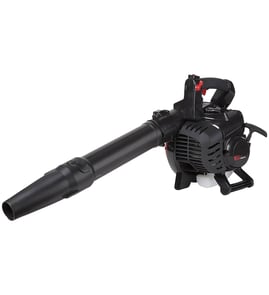

Are gas leaf blowers being phased out?
Yes. Gas leaf blowers like the Craftsman 358794765 are being phased out in some areas due to noise and air-quality rules, but it is not universal across the U.S. What matters most is your local ordinance and whether your area restricts gas blower use or sales.
What you should do first
- Check your city or county rules for leaf blower use (hours, decibel limits, seasonal limits)
- Check state rules that may limit or allow local restrictions
- If you work commercially, confirm rules for contractors (often stricter)
- Keep your blower compliant by using the correct tubes and attachments listed in the 358794765 operator’s manual
How to keep using a gas blower responsibly (and avoid complaints)
The 358794765 manual includes practical noise and safety guidance that also helps you stay within many local rules.
- Operate only during reasonable hours (many ordinances mirror daytime windows)
- Use the lowest throttle that still gets the job done
- Use the full nozzle extension to keep airflow close to the ground
- Blow debris away from people, pets, cars, windows, and solid objects
- Keep the air intake and tubes clear; restricted airflow can increase noise and reduce performance
Common restriction types (quick comparison)
| Restriction type | What it usually means | What to check locally |
|---|---|---|
| Use ban | You cannot operate gas blowers in that jurisdiction | Effective date, enforcement, exemptions |
| Sale ban | Retailers cannot sell new gas blowers | Whether existing units are grandfathered |
| Noise limits | Allowed if under a decibel limit | Measurement distance, time-of-day rules |
| Hour limits | Allowed only during set hours/days | Weekday vs weekend schedules |
Why it matters
If your area is moving toward electric equipment, planning ahead prevents downtime. Even if gas use remains allowed, good maintenance and correct operation reduce noise, improve performance, and extend engine life.
Last updated: February 2026
How to find Craftsman leaf blower model number?
For a Craftsman gas leaf blower, we find the model number on the product ID label, typically on the housing near the rear handle, on the back, or on the bottom. For this unit, the model number you want to match is 358794765 (often printed as 358.794765 in the 358794765 operator’s manual).
Where to look on the blower
Check these common label locations first:
- Back of the blower housing (near the handle)
- Bottom of the unit (base area)
- Side of the housing near the air intake or tube connection
- Near the fuel tank area (on the plastic shroud)
What to write down (so parts match)
Copy the model information exactly as shown on the label.
- Record every digit in the model number (example: 358794765)
- If you see punctuation (example: 358.794765), keep it in your notes
- Also note any extra numbers on the label (often a product number or serial)
- Use the full model number when selecting parts like a fuel line, air filter, or carburetor
Quick model number format guide
| What you see | What it means | What to do |
|---|---|---|
| 358794765 | Model number (no dot) | Use as-is for parts lookup |
| 358.794765 | Same model number with punctuation | Treat it as the same model |
| Serial/date code | Manufacturing info | Keep for reference, not parts matching |
Why it matters
Craftsman handheld blowers can look similar across multiple model families, but parts like the air filter cover, start/stop switch kit, and blower tubes vary by model. Using the exact model number prevents ordering the wrong replacement.
Last updated: February 2026
What is the life expectancy of a gas leaf blower?
A gas leaf blower like the Craftsman 358794765 typically lasts about 8 to 10 years with normal homeowner use and consistent maintenance; heavy use can shorten that, and excellent care can push it past 10 years. Following the fuel and maintenance steps in the 358794765 operator's manual is the biggest factor.
What most often determines lifespan
- Fuel quality and mix ratio; stale fuel and incorrect 2-cycle mix cause rapid wear
- Air filtration; a dirty filter lets abrasive dust into the engine
- Cooling and exhaust health; clogged screens and debris buildup overheat the engine
- Storage habits; leaving fuel in the system during off-season leads to carburetor issues
- Operating conditions; dusty jobs and wide-open throttle all day increase wear
Maintenance that adds years (high impact)
Use these as a practical baseline for the Craftsman 358794765:
- Mix fresh fuel at the correct 2-cycle ratio (the manual specifies 40:1)
- Replace or clean the air filter regularly; a restricted filter reduces power and increases engine wear
- Inspect fuel lines for soft spots, cracks, or leaks and replace as needed
- Keep the blower housing and intake areas clear so the engine can cool properly
- For seasonal storage, run the unit dry or treat fuel so it does not varnish in the carburetor
Common wear items and what they affect
| Wear item | What you notice when it’s worn | Typical fix |
|---|---|---|
| Air filter | Hard starting, low power, rich running | Replace filter |
| Fuel line | Fuel smell, leaks, surging, won’t stay running | Replace fuel line |
| Carburetor | Starts then dies, won’t idle, needs constant choke | Clean or replace carburetor |
| Recoil starter parts | Rope won’t retract, hard to pull | Service starter components |
When replacement makes more sense than repair
- Compression is low (engine is worn) and it struggles even with fresh fuel and a clean filter
- Multiple systems need work at once (fuel system plus starter plus internal engine parts)
- You need reliable starting and consistent power for frequent use
Why it matters
A 2-cycle blower’s engine life is directly tied to lubrication and clean airflow. Correct 40:1 fuel mix and a clean filter prevent scoring and overheating, which are the most common reasons gas blowers lose power early.
Last updated: February 2026
Who makes Craftsman leaf blowers?
Craftsman is a brand owned by Stanley Black & Decker; Craftsman leaf blowers are made for Craftsman by various manufacturers depending on the model and production run. For your Craftsman gas leaf blower model 358794765, use the 358794765 owner's manual to match the correct parts, fuel mix, and service procedures.
What “who makes it” means for parts and service
Craftsman-branded outdoor power equipment is often produced by an OEM (original equipment manufacturer) to Craftsman specifications. The most reliable way to identify the correct maker-specific components is to use the model number and the illustrated parts list.
- Match parts by model number 358794765, not by appearance alone
- Use the parts list and diagrams to confirm fit
- Follow the specified fuel and maintenance requirements to avoid hard-start and performance issues
- Replace common wear items on schedule (air filter, fuel line, vacuum bag)
Model 358794765 details that matter (from the manual)
Your 358794765 is a 2-cycle gas blower/vac. The manual specifies a 40:1 fuel mix using unleaded gasoline and 2-cycle air-cooled engine oil (3.2 fl oz oil per 1 gallon gas). It also calls out routine maintenance items such as the air filter and storage steps.
Quick reference table
| Item | What to use/do | Why it matters |
|---|---|---|
| Fuel mix | 40:1 gas:oil | Prevents engine damage and poor running |
| Gasoline | Minimum 87 octane | Helps maintain proper combustion |
| Storage prep | Stabilizer, clean filter, inspect fasteners | Reduces gumming and starting problems |
Parts that commonly come up on this model
If you are troubleshooting performance or doing a tune-up, these model-matched parts are frequently replaced:
- Leaf blower air filter 545146501 (restricted airflow can cause bogging)
- Ayp lawn & garden equipment fuel line, large 530069216 (cracks can cause lean running)
- Craftsman, poulan leaf blower start/stop switch kit 545081830 (no-start or intermittent shutoff)
Why it matters
Knowing the Craftsman “maker” is less important than using the exact 358794765 model identification. That model number ties your blower to the correct carburetor setup, fuel system routing, and parts list so repairs fit and the engine runs correctly.
Last updated: February 2026
Why are gas-powered leaf blowers bad?
Gas-powered leaf blowers like the Craftsman 358794765 can be “bad” because they create exhaust fumes, high noise, and strong vibration exposure during use. Our 358794765 safety guidance also calls out safe operating hours, proper fuel handling, and monitoring for vibration-related symptoms (numbness or loss of strength). See the 358794765 owner's manual for the full safety rules.
Main downsides people notice
- Exhaust exposure: Gas engines produce fumes; using the blower in enclosed or poorly ventilated areas increases risk.
- Noise: The manual recommends operating only at reasonable hours and using the lowest throttle that still gets the job done.
- Vibration: Prolonged use can contribute to finger and hand symptoms in some users; stop using the tool and seek medical attention if symptoms occur.
- Fuel handling risks: Refueling and storage require care to avoid fire hazards from fuel vapors near sparks or flames.
- Maintenance sensitivity: Dirty filters, deteriorated fuel lines, or incorrect fuel can increase smoke, poor running, and frustration.
What we recommend for safer, less annoying operation
Use and handling tips
- Run the blower at the lowest effective throttle.
- Use rakes and brooms first to loosen debris, then blow.
- In dusty areas, lightly dampen surfaces when water is available.
- Keep the blower aimed away from people, pets, open windows, and vehicles.
- After use, clean up and dispose of debris properly.
Fuel and storage practices (2-cycle engines)
| Item | Best practice | Why it matters |
|---|---|---|
| Fuel mix | Use the correct 2-cycle mix ratio listed in the manual | Prevents engine damage and excess smoke |
| Fuel type | Use fresh, minimum 87 octane gasoline; avoid higher-alcohol blends called out as not approved | Helps prevent overheating, vapor lock, and fuel system deterioration |
| Storage | Don’t store fuel or the unit where vapors can reach ignition sources | Reduces fire risk |
Parts that can reduce smoke, stalling, and rough running
If performance issues are making the blower seem “worse than it should,” these common maintenance parts help:
- Leaf blower air filter 545146501 (restricted airflow can cause poor running)
- Ayp lawn & garden equipment fuel line, large 530069216 (cracked lines can cause leaks and lean running)
Why it matters
Most complaints about gas blowers come down to exposure (fumes, noise, vibration) and how the tool is operated and maintained. Following the Craftsman 358794765 safety and fueling guidance reduces risk and usually improves performance.
Last updated: February 2026
Why does my Craftsman leaf blower keep dying?
If your Craftsman gas leaf blower model 358794765 keeps dying, the most common causes are stale or incorrectly mixed fuel (this model requires a 40:1 gas-to-2-cycle oil mix), restricted airflow from a dirty air filter, or a fuel delivery problem such as a cracked fuel line or carburetor issue. See the 358794765 owner's manual for the correct fueling and maintenance steps.
Quick checks that fix most stalling problems
- Drain old fuel and refill with fresh 87 octane (minimum) gasoline mixed 40:1 with synthetic 2-cycle air-cooled oil.
- If it starts then dies, check the air filter; replace it if dirty (use leaf blower air filter 545146501).
- Inspect the fuel line for soft spots, cracks, or loose connections (replace with ayp lawn & garden equipment fuel line, large 530069216 if needed).
- Make sure the start/stop switch is not intermittently cutting spark (inspect wiring and switch action).
- Check for loose fasteners around the muffler, air filter cover, and housing screws.
Fuel mix and storage: what this model needs
This Craftsman blower is designed for unleaded gasoline mixed with 2-cycle oil at 40:1 (3.2 fl oz oil per 1 gallon gas). Straight gasoline causes rapid engine damage and stalling. For storage, we recommend emptying the tank and running the engine until it stops so the carburetor is dry.
| Item | What to use | What to avoid |
|---|---|---|
| Gas | Fresh, clean, minimum 87 octane | Old fuel, contaminated fuel |
| Oil | Synthetic 2-cycle air-cooled oil | Automotive oil, boat oil |
| Mix ratio | 40:1 | Straight gas or “extra oil” guessing |
When it points to the carburetor
If fresh 40:1 fuel and a clean air filter do not stop the dying, the carburetor can be gummed up from stale fuel or the adapter/gaskets can be leaking air.
- Symptoms: starts with choke, dies when you open throttle; surges at idle; only runs with primer use
- Likely parts: carburetor, carburetor adapter, fuel line
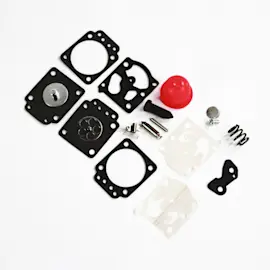
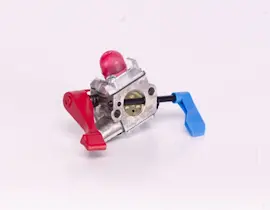
- Next step: clean or replace the carburetor (common fix is ayp leaf blower carburetor 545081857)
Why it matters
A 2-cycle engine depends on the correct fuel mixture for both combustion and lubrication. When fuel is stale, mixed wrong, or airflow is restricted, the engine runs lean and stalls, and it can also overheat and wear out faster.
Last updated: February 2026
How to replace fuel filter on Craftsman leaf blower?
To replace the fuel filter on your Craftsman 358794765 gas leaf blower, run the unit until it’s out of fuel, remove the fuel cap/retainer, pull the filter out of the tank, swap it onto the fuel line, then reinstall everything (steps and safety notes are in the 358794765 owner’s manual).
Step-by-step: replace the fuel filter
- Work outdoors on a cool engine; keep sparks and flames away.
- Start the blower and let it run until it stops (this drains the tank and fuel line).
- Remove the fuel cap/retainer assembly from the fuel tank.
- Use a clean hook tool or long needle-nose pliers to gently pull the fuel filter out of the tank.
- Pull the old filter off the fuel line.
- Push the new filter onto the fuel line firmly, then place the filter back into the tank.
- Reinstall the fuel cap/retainer assembly and wipe up any spilled fuel.
What to check while you’re in there
A fuel filter replacement is the best time to inspect the fuel system for air leaks or restrictions.
- Look for cracked, hardened, or kinked fuel line.
- Make sure the filter can move freely in the tank (it should not be jammed).
- Confirm the cap/retainer seals correctly.
- If the blower still runs poorly, check the air filter and spark plug next.
Common symptoms and likely causes
| Symptom | Most common cause | What to do next |
|---|---|---|
| Starts then dies | Clogged fuel filter or split fuel line | Replace filter; inspect/replace fuel line |
| Surges at idle | Restricted fuel flow | Check filter, fuel line routing, and tank venting |
| Won’t start after storage | Old fuel or wrong mix | Drain and refill with fresh 40:1 fuel mix |
Why it matters
A partially clogged fuel filter leans out the fuel mixture, which can cause hard starting, stalling, and poor throttle response. Replacing the filter and correcting fuel issues protects the carburetor and helps the 2-cycle engine run consistently.
Fuel reminder for this model
This blower uses a 40:1 gas-to-oil mix (3.2 fl oz of 2-cycle oil per 1 gallon of unleaded gasoline). Never run straight gasoline.
Last updated: February 2026