





What is the average lifespan of a GE dishwasher?
A GE dishwasher like model GDF630PGM3WW typically lasts about 10 years with normal household use and basic maintenance. Cleaning filters, keeping spray arms clear, and fixing small leaks early can help you reach (or beat) that average.
Typical lifespan and what affects it
Most dishwashers fall into a similar life range, but real-world lifespan depends on usage and care.
- Loads per week: more cycles usually means faster wear on pumps, seals, and racks
- Water quality: hard water can cause mineral buildup on the heating system and spray arms
- Detergent and rinse aid habits: correct dosing helps prevent residue and poor cleaning
- Maintenance: cleaning the sump area and checking for clogs reduces strain on the drain system
- Early repairs: replacing a worn seal or spray arm can prevent bigger failures later
Quick “what to expect” table
| Dishwasher age | What’s common | What to do |
|---|---|---|
| 0 to 5 years | Minor clogs, loading issues, occasional odor | Clean and maintain; verify spray coverage |
| 6 to 10 years | More frequent draining or cleaning complaints | Inspect wear parts; address leaks promptly |
| 10+ years | Higher chance of pump, heater, or control issues | Compare repair cost vs. replacement |
Parts that often impact performance as a dishwasher ages
If cleaning or drying drops off, these are common wear or clog points on many GE dishwashers.
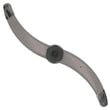
- Spray arms: clogged jets reduce wash pressure (example: dishwasher spray arm, lower WD22X33499)
- Heating system: poor drying or cool water can point to a heater issue (example: dishwasher heating element WD05X35098)
- Drain system: slow draining can be caused by a restricted hose or a weak pump
- Door sealing: leaks can start from a worn tub gasket
Why it matters
Knowing the average lifespan helps you decide whether to invest in a repair (like a circulation pump or heating element) or focus on maintenance to extend the life of your GE dishwasher.
Last updated: January 2026
Does a GE dishwasher have a filter that needs to be cleaned?
Yes. GE dishwashers such as model GDF630PGM3WW use a filter area in the bottom of the tub that can collect food soil over time, so cleaning it periodically helps prevent poor cleaning, odors, and drain problems. If cleaning does not help, a wash-system part may be restricted or worn.
How to check and clean the filter area
- Turn the dishwasher off at the breaker.
- Pull out the lower rack.
- Look at the bottom center of the tub (around the sump area) for a twist-lock filter screen and any debris.
- Remove the filter (if equipped) and rinse it under hot water; use a soft brush for grease.
- Wipe the sump area clean, then reinstall the filter and run a rinse cycle.
Quick tips that make a big difference
- Scrape large food scraps off dishes; heavy pre-rinsing is usually unnecessary.
- Make sure the lower spray arm spins freely and its holes are not clogged.
- Avoid loading items that block the spray arms.
- Run hot water at the sink before starting the cycle for better wash temperature.
- Use a dishwasher cleaner monthly if you notice odor or film.
When cleaning the filter is not the real problem
If the dishwasher still leaves grit, has standing water, or seems weak on spray after you clean the filter area, these are the most common next checks:
- Clogged spray arm jets: inspect and clean the spray arm holes.
- Restricted drain path: check the drain hose routing and sink/disposer connection.
- Weak circulation: listen for a strong wash motor sound during the wash portion.
- Diverter issues: some cycles rely on a diverter to send water to different spray arms.
| Symptom | Most likely area | Common next step |
|---|---|---|
| Dishes not clean, no strong spray sound | Circulation system | Check spray arms and circulation pump |
| Grit on glasses (top rack) | Upper/middle spray delivery | Check middle spray arm and manifold |
| Standing water at end | Drain system | Check drain hose and drain pump |
Parts that commonly affect cleaning and circulation on GDF630PGM3WW
- Dishwasher spray arm, lower WD22X33499
- Dishwasher spray arm, middle WD22X33498
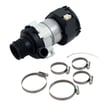
- Dishwasher circulation pump WD26X23258
- Dishwasher diverter valve kit WD19X25278
Why it matters
A partially blocked filter area or restricted spray arm reduces water flow and pressure. That leads to poor cleaning, redepositing food soil, and can contribute to slow draining or odors over time.
Last updated: January 2026
What is the most common problem with GE dishwashers?
The most common GE dishwasher problem is poor cleaning, usually caused by restricted water flow or weak spray action from clogged filters, blocked spray arms, or a circulation issue. On the GE GDF630PGM3WW, start by checking spray arms, loading, and water temperature before replacing parts.
Quick checks that fix most “not cleaning” complaints
- Make sure the spray arms spin freely and are not hitting tall dishes.
- Clear food debris from spray arm holes (toothpick works well).
- Run hot water at the sink until it is hot before starting the cycle.
- Use fresh detergent and avoid overfilling the detergent cup.
- Load so plates do not “nest” and block water spray.
Parts that commonly cause poor cleaning on GDF630PGM3WW
If the quick checks do not help, these parts are frequent culprits:
- Dishwasher spray arm, lower WD22X33499 (cracked, clogged, or not spinning)
- Dishwasher spray arm, middle WD22X33498 (weak mid level coverage)
- Dishwasher circulation pump WD26X23258 (low pressure, humming, or intermittent wash)
- Dishwasher diverter valve kit WD19X25278 (water not switching between spray zones)
Symptom-to-cause guide
| Symptom | Most likely cause | What to do first |
|---|---|---|
| Dishes gritty or still dirty | Clogged spray arm holes, poor loading | Clean spray arms; reload for better water paths |
| Top rack not clean | Mid/upper spray path restricted | Check middle spray arm and manifold connection |
| Soap not dissolving | Water not hot enough, blocked dispenser | Run hot water first; confirm dispenser area is clear |
| Weak wash sound or “lazy” spray | Circulation problem | Inspect for clogs; consider circulation pump |
Why it matters
Poor cleaning is usually a water movement problem. Restoring strong spray action helps prevent redepositing food soil, reduces odor, and improves drying performance because cleaner dishes shed water better.
Helpful DIY resources
- Use dishwasher not cleaning dishes video to walk through the most common cleaning and spray issues.
- If the dishwasher shows a code, check GE dishwasher error codes for the most common GE fault patterns.
Last updated: January 2026
Is it worth repairing a GE dishwasher?
Repairing a GE dishwasher like model GDF630PGM3WW is worth it when the problem is a single, fixable failure (drain, heat, wash, or door-latch issues) and the tub is in good shape. Replacement makes more sense when leaks, repeated breakdowns, or major electrical problems keep returning.
Quick decision checklist
- Choose repair if the dishwasher is cleaning well overall and you have one clear symptom (not draining, not drying, not starting).
- Choose repair if the fix is a common service part such as a pump, heating element, or latch.
- Choose replace if the tub is rusted, cracked, or leaking from seams.
- Choose replace if you have multiple symptoms at once (poor cleaning plus not draining plus error codes).
- Choose replace if repairs have been frequent in the last 12 months.
Common repairs for this model (and what they usually solve)
| Symptom | Likely area | Example part for GDF630PGM3WW |
|---|---|---|
| Won’t start or stops mid-cycle | Door latch or control | GE dishwasher door latch lock WD21X10490, configured machine control WD21X32165 |
| Not draining | Drain path or drain pump | Dishwasher drain hose WD24X10062, drain pump asm WD19X24829 |
| Not drying or water stays cool | Heating circuit | Dishwasher heating element WD05X35098 |
| Poor cleaning, weak spray | Spray system or circulation | Dishwasher spray arm, lower WD22X33499, dishwasher circulation pump WD26X23258 |
Why it matters
A targeted repair can restore wash performance and drying while avoiding the cost and hassle of replacing and reinstalling a built-in dishwasher. On the other hand, chasing multiple failures can quickly turn into repeat downtime and higher total cost.
Helpful troubleshooting resources
- Use GE electronic dishwasher error codes to identify what the control is detecting.
- If the unit has power but won’t run, follow dishwasher wont start video to narrow it down to the latch, control, or wiring.
Last updated: January 2026





