 Installation guide
 Owner’s manual



What is the life expectancy of an Electrolux washer?
Electrolux washers, including model EIFLS55IIW0, typically last 10 to 15 years with normal household use. Lifespan depends most on installation (leveling), detergent habits (HE detergent and correct dosing), and routine cleaning that prevents odor, residue, and leaks; see the EIFLS55IIW0 use & care guide.
What affects lifespan the most
- Overloading and frequent out-of-balance spins increase wear on suspension and tub components.
- Oversudsing (too much detergent or non-HE detergent) can trigger extra rinses and leave residue.
- Moisture left in the door boot area can lead to mold or mildew and eventually leaks.
- Hard water buildup can shorten the life of valves, hoses, and internal water paths.
- Vibration from poor leveling stresses the cabinet, mounts, and moving parts.
Maintenance habits that help you reach 10 to 15 years
We recommend these simple routines for EIFLS55IIW0:
- Leave the door ajar for a few hours after use to dry the drum and gasket.
- Wipe and dry the folds of the door boot area regularly.
- Run the washer’s SYSTEM CLEAN cycle about once a month.
- Use HE (high efficiency) detergent and measure carefully to avoid oversudsing.
- Remove loads promptly at cycle end to reduce odor and moisture.
Quick reference: what “normal” looks like
| Usage pattern | Typical life expectancy | What changes it most |
|---|---|---|
| Average family use | 10 to 15 years | Cleaning routine, correct detergent, leveling |
| Heavy weekly use (large household) | 8 to 12 years | Overloading, vibration, frequent hot cycles |
| Light use (few loads/week) | 12 to 15 years | Moisture control, periodic cleaning |
When a repair can extend life
If your washer is otherwise performing well, replacing common wear items can be a smart way to extend service life. For example, a leaking or mold-damaged door seal is often addressed by replacing the frigidaire washer door boot 134616100.
Why it matters
A front-load washer’s biggest lifespan killers are moisture-related odor/leak issues and vibration-related wear. Staying ahead of those two problems usually delivers the longest service life with the fewest breakdowns.
Last updated: January 2026
What is the capacity of the Electrolux model EIFLS55IIW0?
The Electrolux washer model EIFLS55IIW0 has a 4.07 cu. ft. capacity. This is the tub volume the washer is designed to handle, and it helps you estimate load size for best cleaning, rinsing, and spin performance (especially on bulky items).
How to use capacity when loading
A 4.07 cu. ft. front-load washer like EIFLS55IIW0 typically performs best when items can tumble freely, not packed tight. For cycle and option details, use the EIFLS55IIW0 use & care manual.
- Load mixed items together (large and small) to help balance.
- Do not tightly pack; the door should close easily.
- For a single heavy item (comforter, sleeping bag), wash it separately.
- Use HE (high efficiency) detergent to avoid oversudsing.
- If you see frequent out-of-balance behavior, reduce load size and redistribute.
Capacity vs. dimensions (quick reference)
Capacity is about how much the tub holds; dimensions are about whether it fits your space.
| Spec type | What it tells you | Where to confirm for EIFLS55IIW0 |
|---|---|---|
| Capacity (cu. ft.) | How much the wash basket holds | This FAQ (4.07 cu. ft.) |
| Installed dimensions/clearances | Fit in a closet/alcove, door swing space | EIFLS55IIW0 installation instructions |
Why it matters
Using the right load size for a 4.07 cu. ft. tub helps prevent poor cleaning, leftover detergent, excessive vibration during spin, and wear on components like the door boot and shock absorbers.
Last updated: January 2026
What are the common problems with Electrolux washing machines?
Common problems we see on the Electrolux EIFLS55IIW0 washer include slow or no draining, door lock issues, excessive vibration/noise during spin, odor or residue buildup (especially at the door boot), and fill problems. Many are caused by loading, detergent, or maintenance issues, but some point to a failing part.
Most common symptoms (and what they usually mean)
- Washer won’t drain or drains slowly: clogged pump filter, kinked drain hose, or a weak drain pump
- Won’t spin or stops mid-cycle: out-of-balance load, door not locking, or control sensing an error
- Leaks at the front: door boot (gasket) tear, clamp issue, or debris on the sealing surface
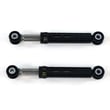
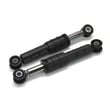
- Loud banging/vibration: washer not level, overloaded drum, or worn shock absorbers
- Musty odor/mold: moisture left in the door boot folds, detergent residue, infrequent cleaning cycles
Quick checks we recommend first (no parts required)
Use the troubleshooting and care steps in the EIFLS55IIW0 use & care manual.
- Run the SYSTEM CLEAN cycle monthly (hot water maintenance cycle)
- Use HE (high efficiency) detergent and avoid overdosing
- Leave the door ajar after loads to dry the drum and gasket
- Check that the washer is level and stable on all four legs
- Inspect the drain hose routing and standpipe setup for restrictions
Parts that commonly solve these issues on EIFLS55IIW0
If basic checks don’t help, these model-compatible parts are often involved:
| Symptom | Common part to inspect/replace | Why it matters |
|---|---|---|
| Slow/no drain | Washer drain pump filter 134640200 | A clogged filter restricts water flow and can trigger drain errors |
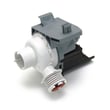
| Slow/no drain | Washer drain pump 137240800 | A weak or jammed pump can’t evacuate water fast enough |
| Door won’t lock/unlock | Washer door lock 134629900 | The washer may refuse to start or spin if it can’t confirm a locked door |
| Front leak/odor at door | Frigidaire washer door boot 134616100 | A torn or deformed boot can leak and trap residue that causes odor |
Why it matters
On the EIFLS55IIW0, draining, door locking, and vibration control are all tied to cycle safety. A small restriction (like a clogged pump filter) can cause long cycle times, poor rinsing, and repeated error conditions that look like bigger failures.
Last updated: January 2026


